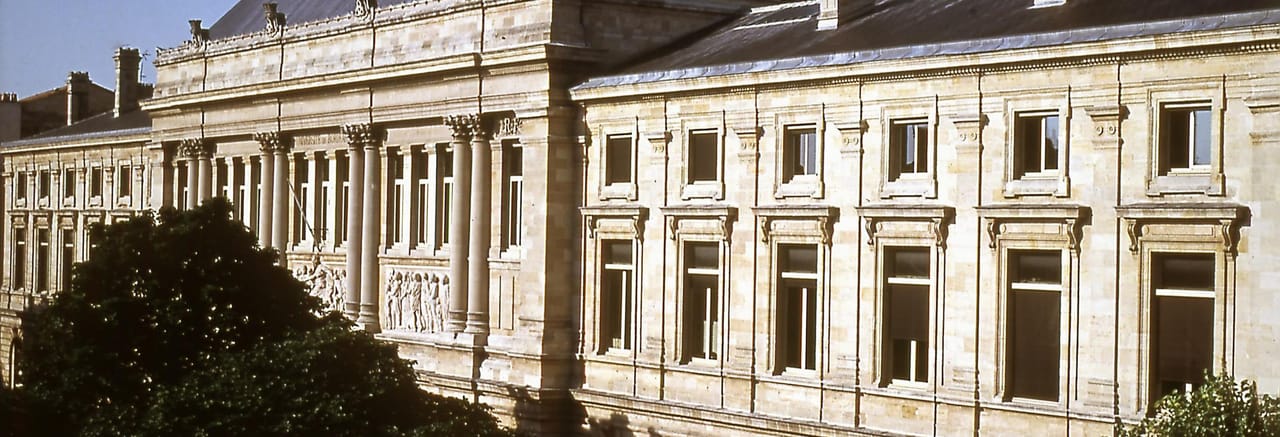
Musée d’Aquitaine
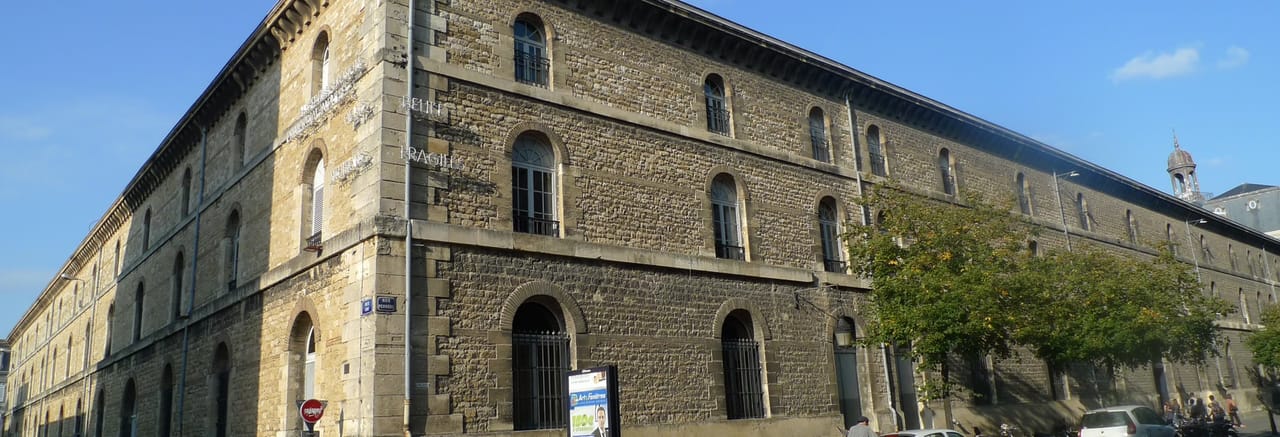
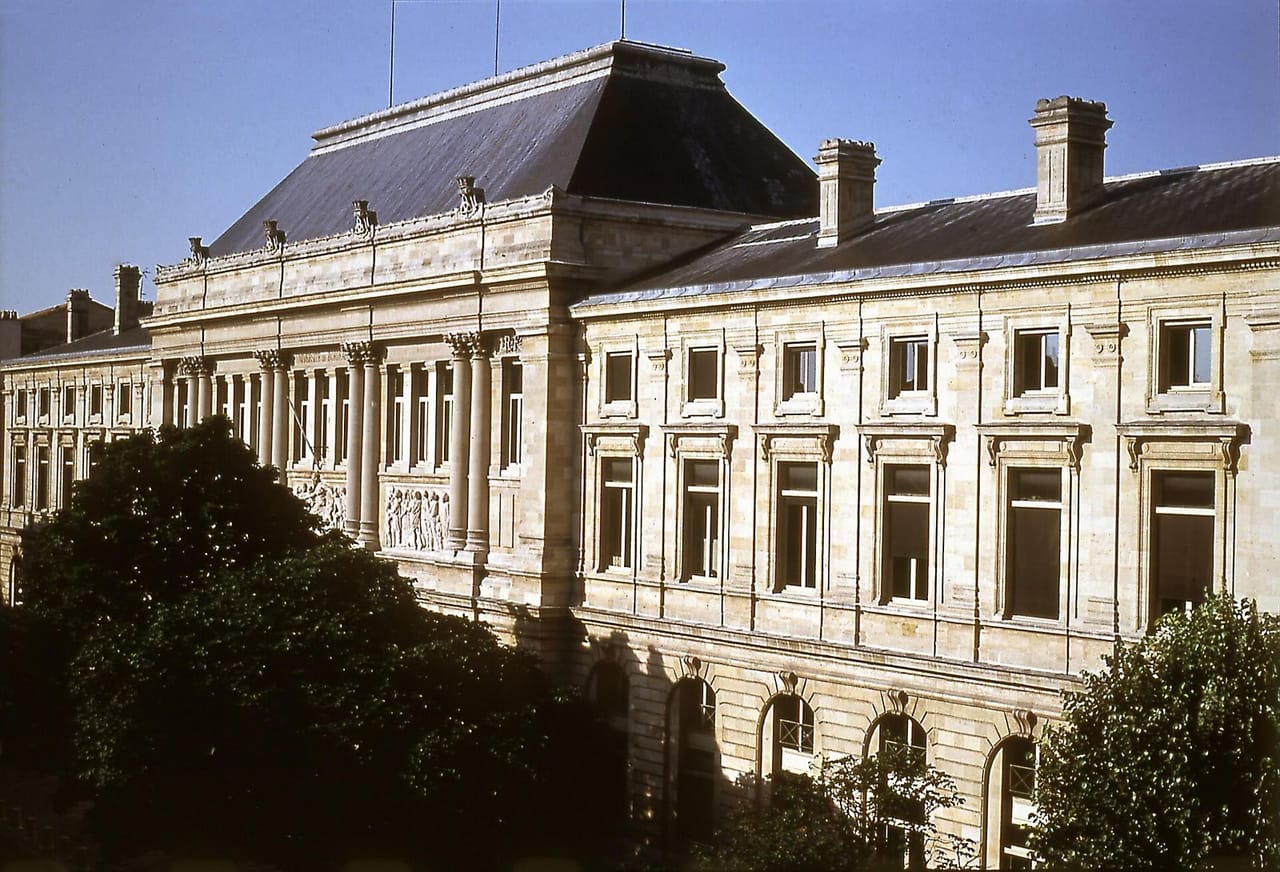
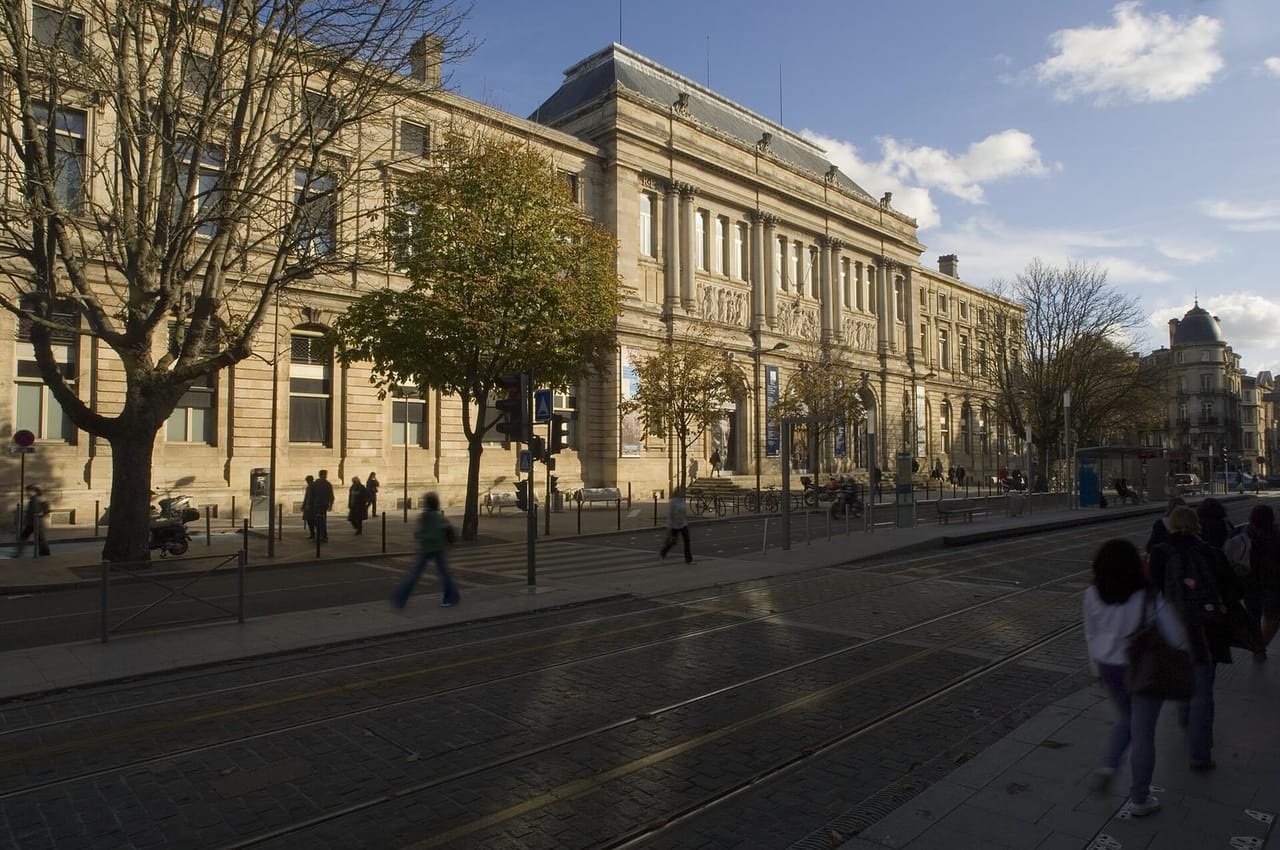
The Musée d’Aquitaine tells the story of Bordeaux and its region from prehistory to today. Located on cours Pasteur, near the cathedral, it gathers objects, artworks and documents on antiquity, the Middle Ages, Atlantic trade and slavery. It is the best starting point for understanding the city before you explore it.
Burdigala and its remains
The permanent route begins long before wine and the port. One room is devoted to the Gallo-Roman era, when Bordeaux was called Burdigala, and shows traces of the ancient city. The museum itself dates back to 1783, created to preserve Roman remains. The collections reach back to prehistory, which gives the visit unusual depth.
The port, trade and the memory of slavery
One part of the route covers 18th-century Bordeaux, Atlantic trade and slavery. It places the city’s prosperity, visible in its stone façades, within the history of the slave trade and the plantations. It is a useful visit before strolling the quays and the centre: you then look at the city differently.
An institution with many collections
The Musée d’Aquitaine also holds the collections of the Centre national Jean-Moulin, devoted to the Second World War and the Resistance, as well as those of the Musée Goupil. It also hosts an interpretation space on Bordeaux’s world heritage and architecture. Depending on your interests, the visit can feel like an illustrated history lesson.
Around the museum
The museum is on cours Pasteur in central Bordeaux, close to Saint-André cathedral and place Pey-Berland. It combines easily with a walk through the historic centre. Allow a good two hours for a full visit. Remember to check opening times and conditions on the official website before you go.
Practical information
Address: 20 cours Pasteur, 33000 Bordeaux
Frequently asked questions
Where is the Musée d’Aquitaine?
At 20 cours Pasteur in central Bordeaux, not far from Saint-André cathedral.
What can you see at the Musée d’Aquitaine?
The history of Bordeaux and Aquitaine from prehistory to the present, including antiquity, Atlantic trade and slavery.
Can you visit it?
Yes, it is a public museum. Remember to check opening times and conditions on the official website before you visit.
What can you combine it with?
With Saint-André cathedral, the Pey-Berland tower and the Musée des Beaux-Arts, all nearby.
Wikimedia Commons — Lysiane Gauthier