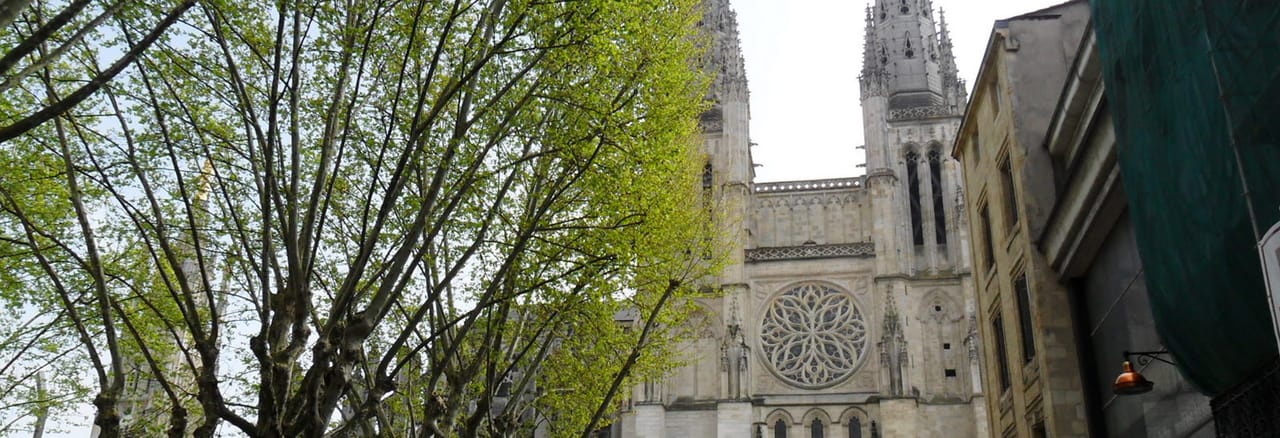
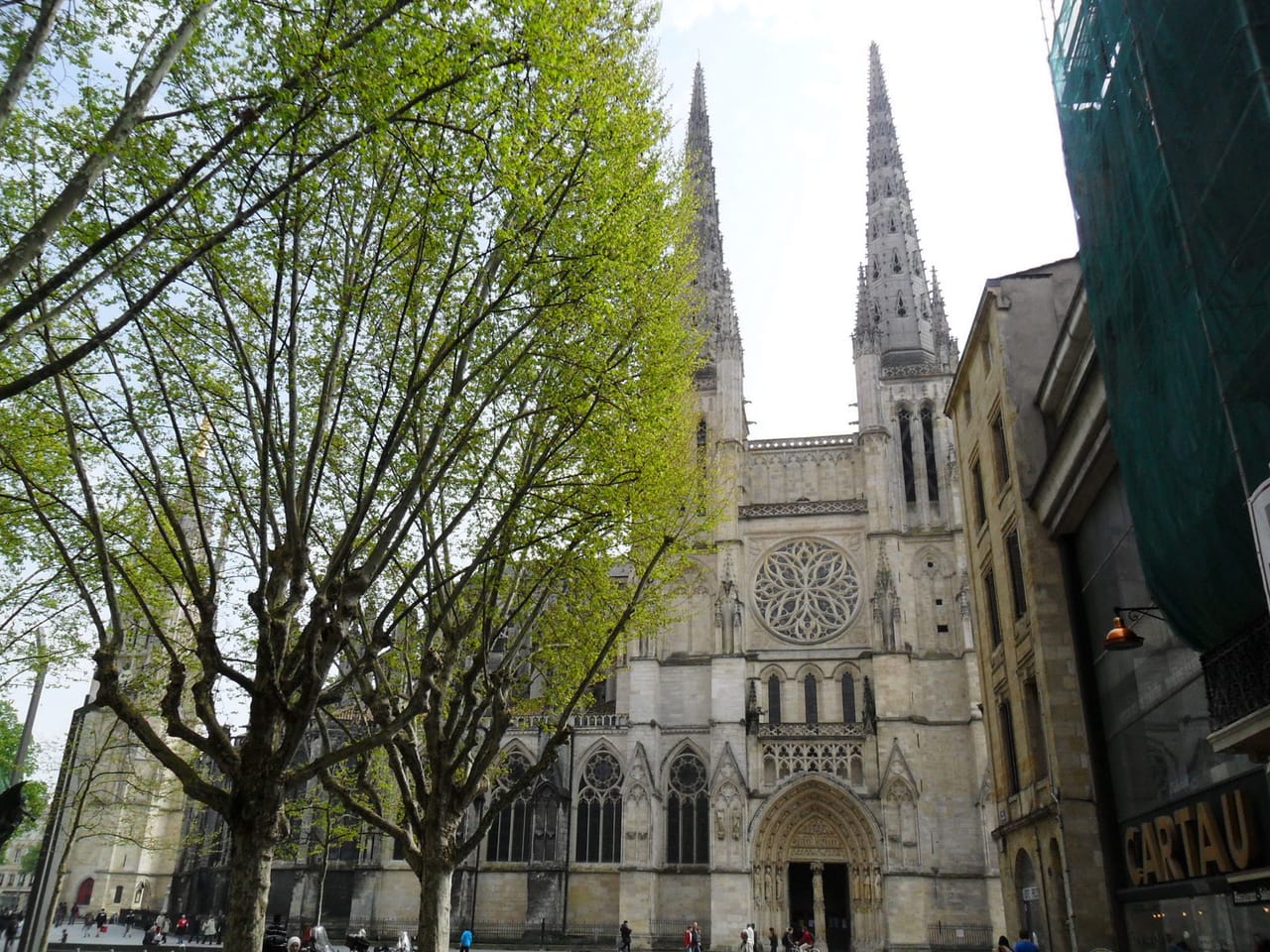
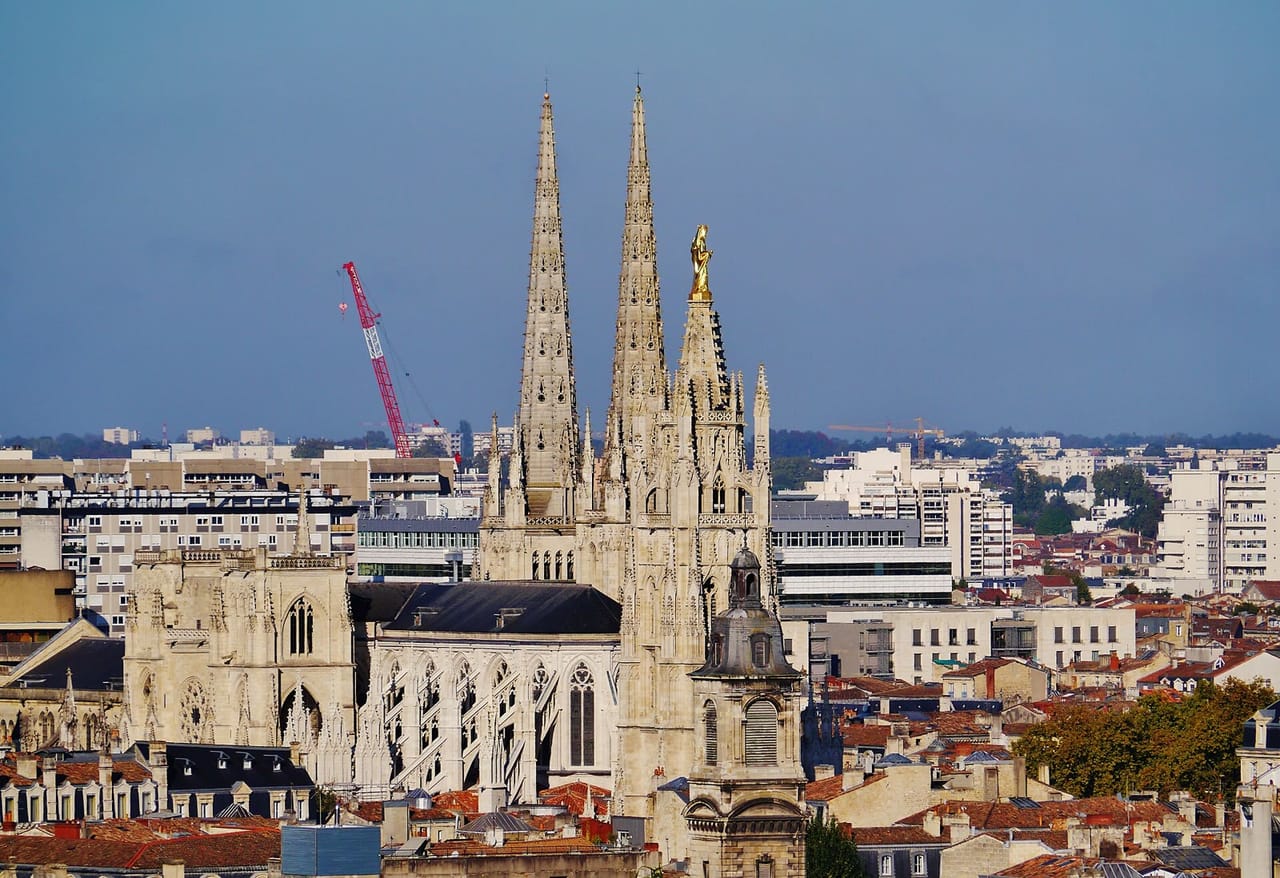
Saint-André Cathedral, Bordeaux
Standing on Place Pey-Berland, Saint-André Cathedral is the seat of the Archbishop of Bordeaux. Consecrated in 1096 by Pope Urban II, it took on its Gothic look between the 12th and 16th centuries. It is part of the UNESCO listing of the Routes of Santiago de Compostela in France.
A cathedral built over centuries
The present building replaces older churches. The nave, in Angevin Gothic style, dates from the 12th century, the ambulatory was begun around 1280, and the choir and radiating chapels were built in the 14th century. This long history is easy to read as you walk through the interior, from the bright nave to the east end.
Two royal weddings
Two royal weddings took place within these walls: that of Eleanor of Aquitaine, then fifteen, to the future Louis VII in 1137, and that of Anne of Austria to Louis XIII in November 1615. These chapters of French history give the visit an extra dimension.
A bell tower standing apart
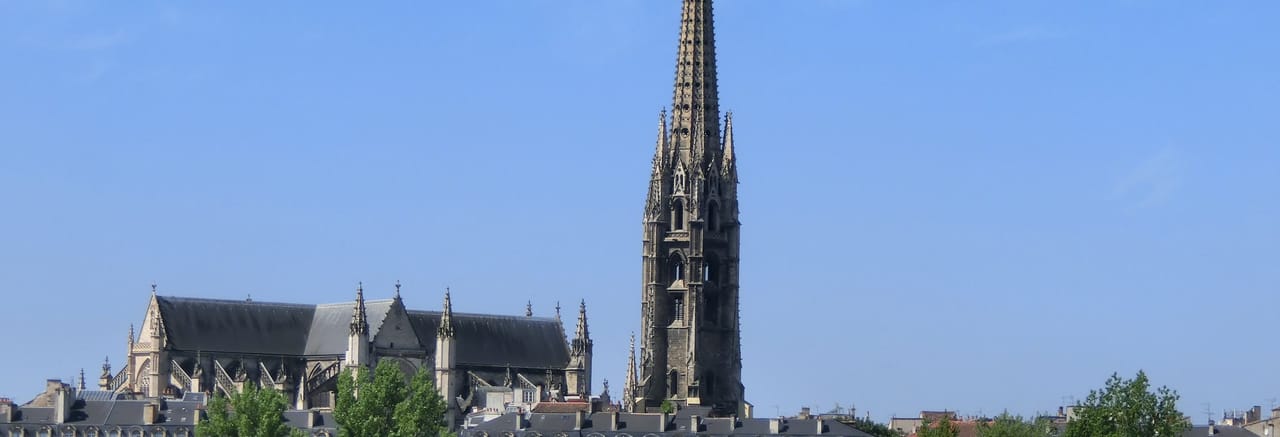
As is common in the Gironde, the bell tower is separate from the church. This arrangement kept the bells' vibrations from reaching a building set on marshy ground. The Pey-Berland tower, built between 1440 and 1500, forms an ensemble with the cathedral that is best seen from the square, a few steps back.
A stop on the road to Compostela
Bordeaux was a stop for pilgrims heading to Santiago de Compostela. The cathedral is a listed historic monument and, together with the Basilica of Saint-Michel and the Basilica of Saint-Seurin, belongs to the sites added in 1998 to the World Heritage List as part of the Routes of Santiago de Compostela in France. The three churches are easy to link on foot.
Practical information
Address: Place Pey Berland, 33000 Bordeaux
Frequently asked questions
Where is Saint-André Cathedral?
On Place Pey-Berland, in the heart of Bordeaux's historic centre, right next to the Pey-Berland tower.
Why is the cathedral notable?
It was consecrated in 1096, hosted the wedding of Eleanor of Aquitaine in 1137 and is among the UNESCO sites of the Routes of Santiago de Compostela.
Can you visit it?
Yes, it is a place of worship open to visitors. Remember to check opening times and conditions on the official website before you go, especially around services.
What can you combine it with?
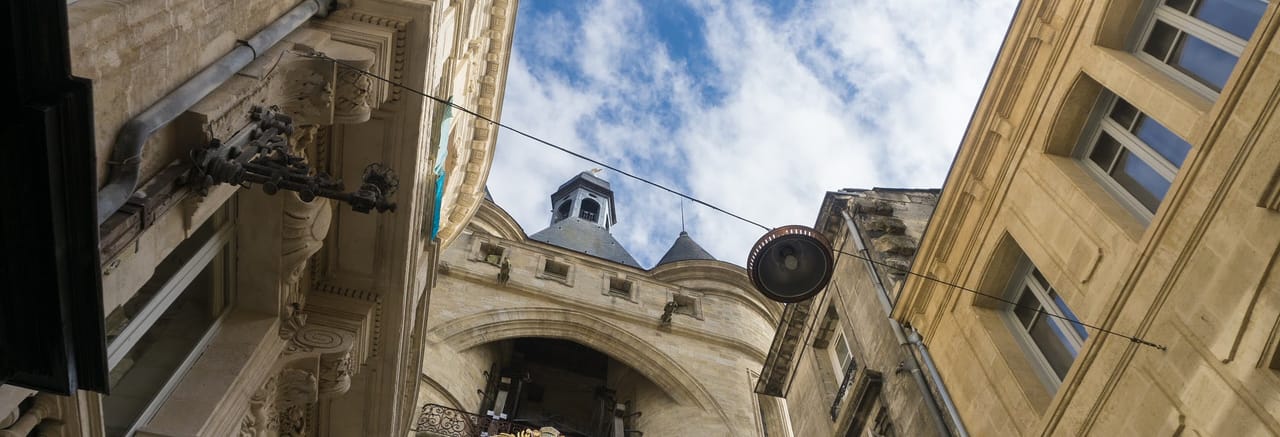
With the neighbouring Pey-Berland tower, then a walk to the Basilica of Saint-Michel or the Grosse Cloche district.
Wikimedia Commons — Vinko Rajic · Wikimedia Commons — Zairon