Musée archéologique de Dijon
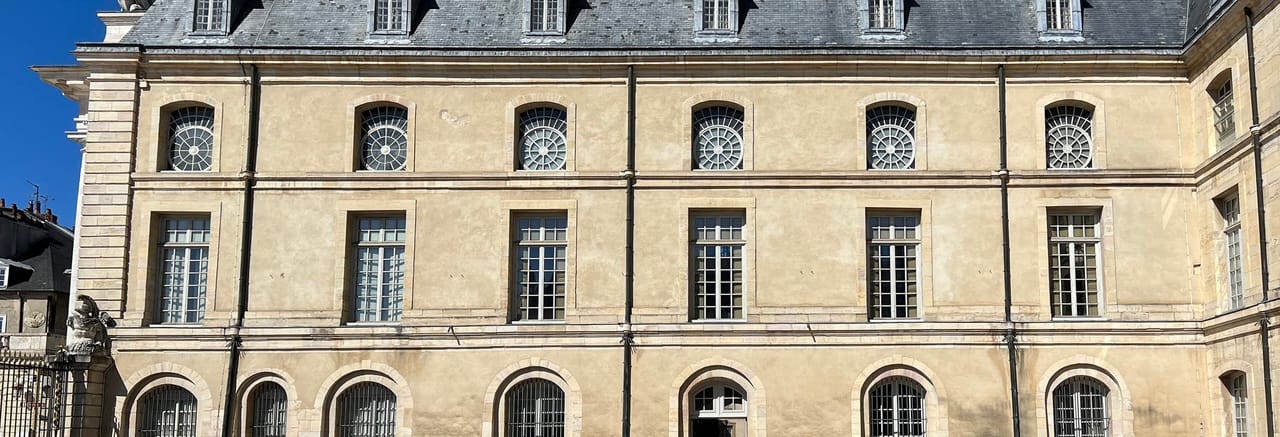
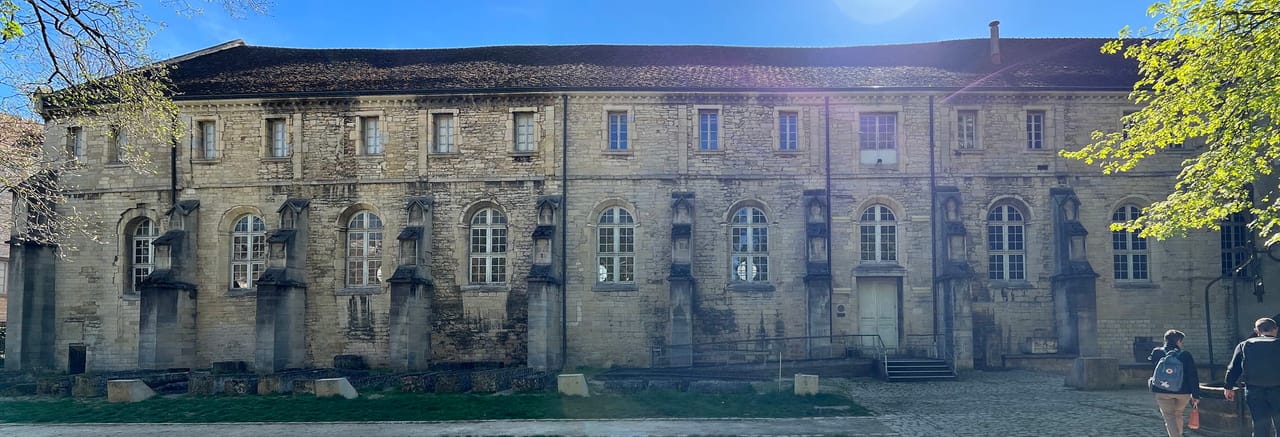
The Musée archéologique de Dijon occupies the main wing of the former Saint-Bénigne abbey, beside the cathedral. Founded in 1832 and housed here since 1934, it tells the story of Burgundy from prehistory to the Middle Ages, with a strong Gallo-Roman presence. A good stop to understand what this ground carried before the ducal city.
Inside the former Saint-Bénigne abbey
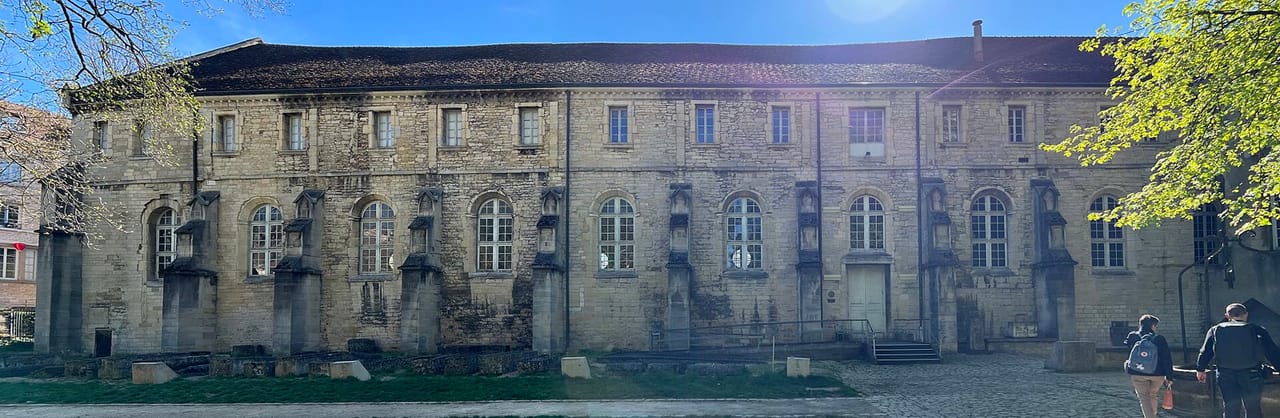
The museum is housed in the last conventual building of the former Saint-Bénigne abbey. Founded in 1832, it moved in in 1934 and has belonged to the city since 1955. The upper floor keeps a memory of monastic life, the monks' dormitory being one example. The neighbouring cathedral extends the visit, as the museum also covers early Christian art and Christian architecture.
From prehistory to Roman Gaul
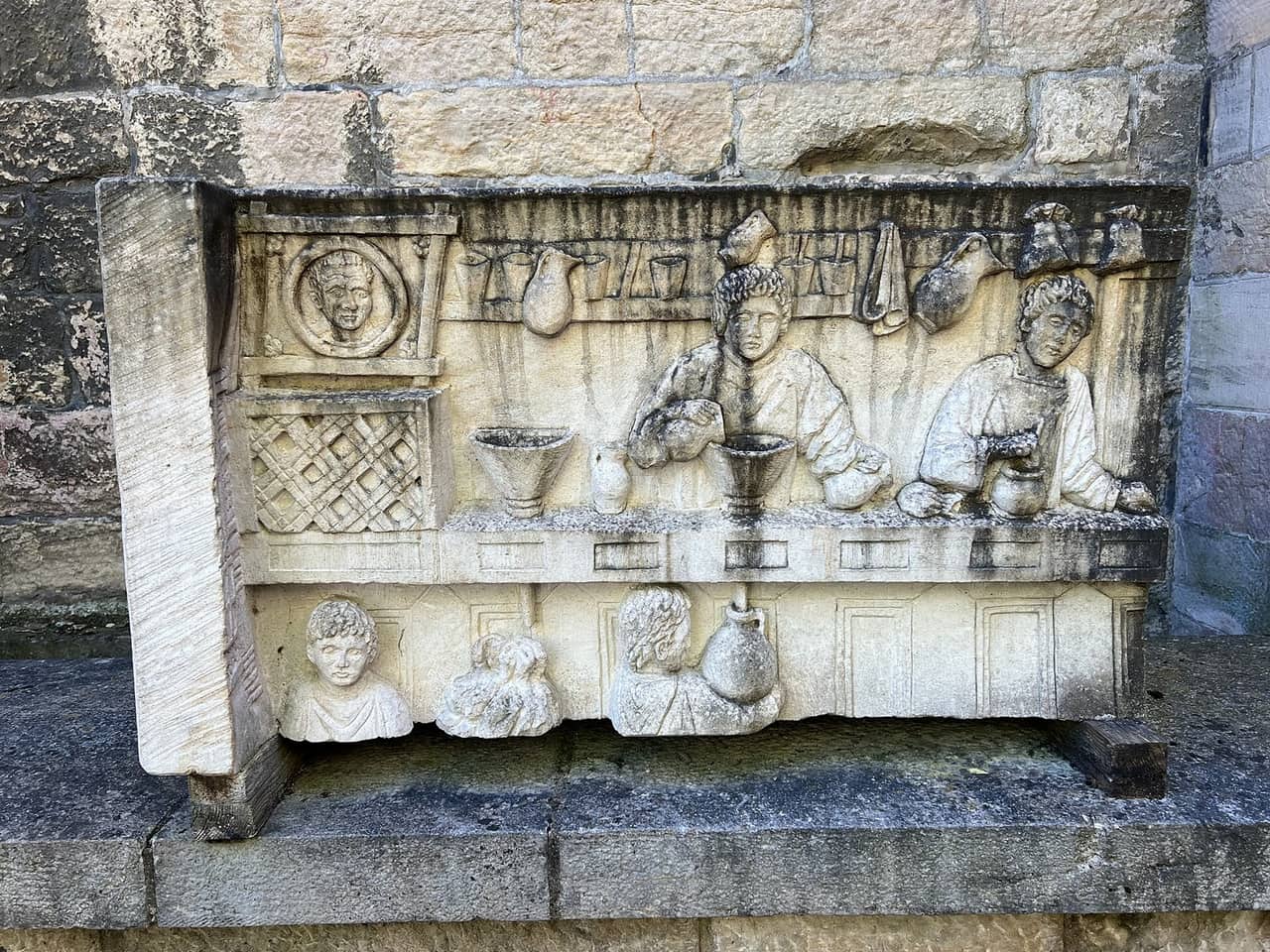
The collections focus on people in Burgundy: prehistory, protohistory, Roman Gaul and then the Middle Ages. The museum holds the Musée de France label. Highlights include ex-votos from the sanctuary of the Sources de la Seine and Gallo-Roman stelae, two groups that bring to life the daily life and beliefs of the region in Roman times.
Romanesque and Gothic sculpture
The route ends with Romanesque and Gothic sculpture, which echoes the impression left by the neighbouring abbey church. For anyone curious about art history, it is a useful counterpoint to the great ducal tombs in the Musée des Beaux-Arts: you see how sculpted decoration evolved before the period of the Burgundian court.
A neighbourhood to explore on foot
The museum is at 5 rue du Docteur Maret, a few steps from Saint-Bénigne Cathedral, on the west side of the old centre. A simple route is to visit the museum, step into the cathedral, then walk back down toward the Ducal Palace. It all fits into one relaxed morning or afternoon.
Practical information
Address: 5 Rue Docteur Maret, 21000 Dijon
Frequently asked questions
Where is the Musée archéologique in Dijon?
At 5 rue du Docteur Maret, in the former Saint-Bénigne abbey, right beside the cathedral.
What does it show?
Burgundian archaeology from prehistory to the Middle Ages: Roman Gaul, ex-votos from the Sources de la Seine, early Christian art and medieval sculpture.
Can you visit the whole museum?
It is a municipal museum open to the public. Since some rooms may be affected by works, look at musees.dijon.fr before setting out.
What should you pair it with?
With the neighbouring Saint-Bénigne Cathedral, then the Musée des Beaux-Arts for the ducal tombs.
Wikimedia Commons — Chabe01