Temple du Change
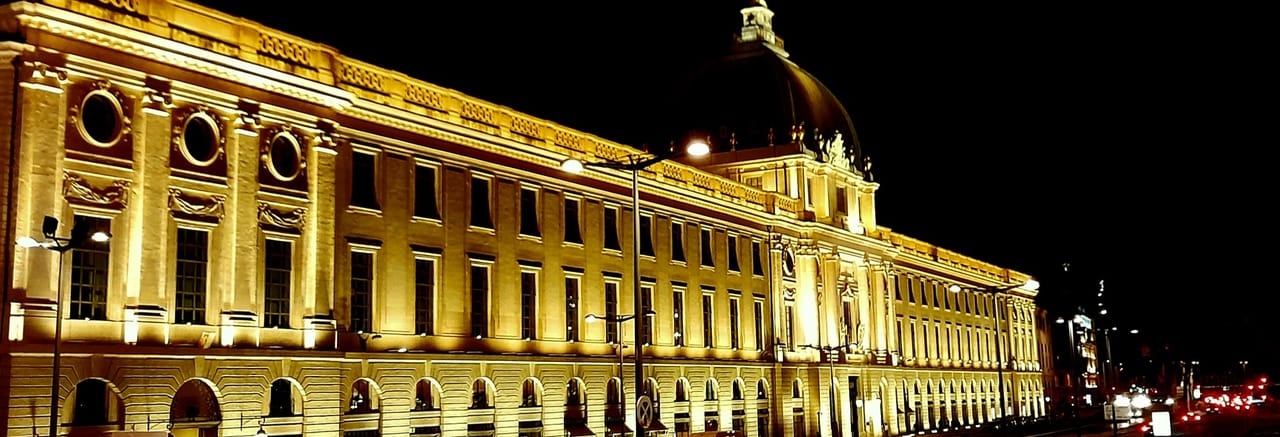
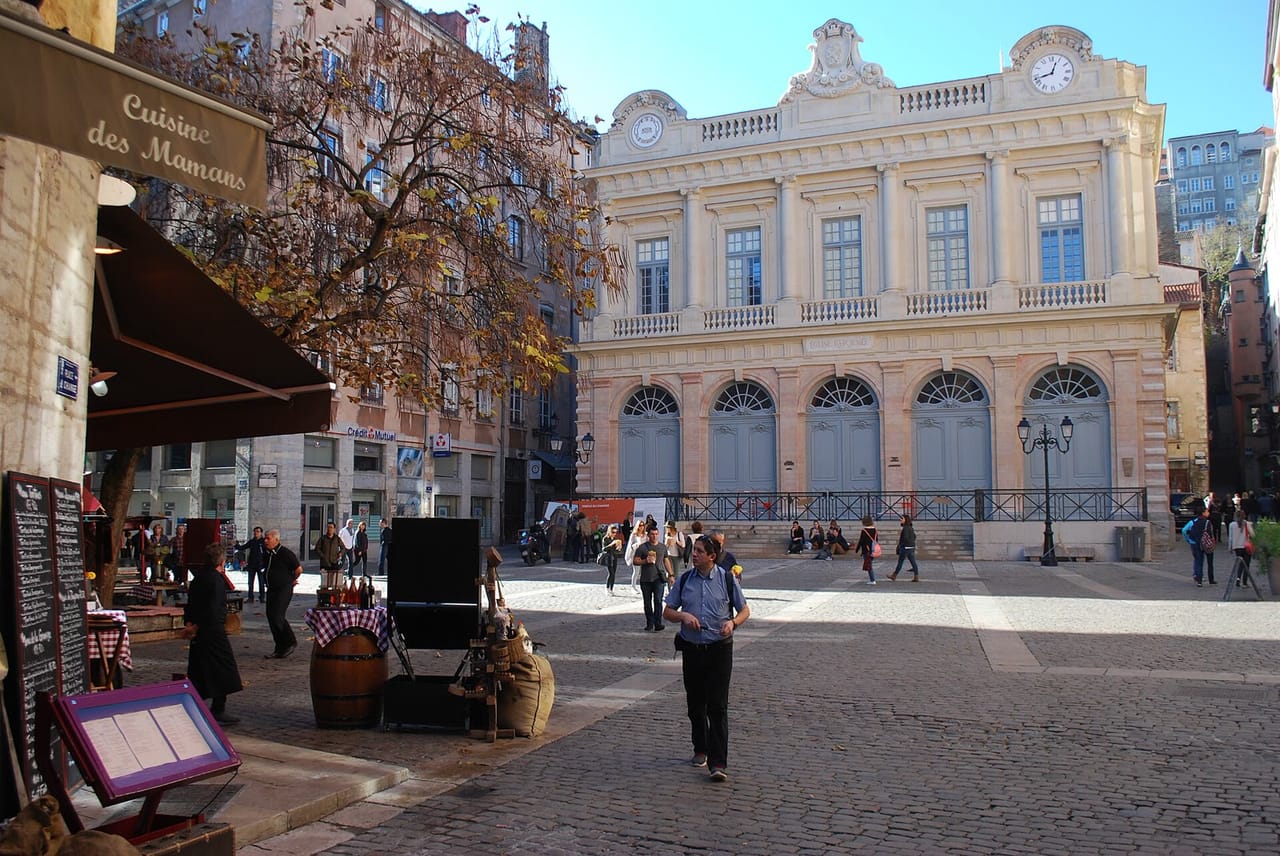
In Vieux Lyon, on the square of the same name, the Temple du Change is a Reformed Protestant church, formerly the Loge du Change where the stock exchange was held. Built to plans by Simon Gourdet between 1631 and 1653, it was rebuilt under Jacques-Germain Soufflot in 1748–1750.
In the heart of Vieux Lyon
The temple stands on place du Change, in Vieux Lyon, a district of lanes and old façades explored on foot. It is one of its most recognisable landmarks: you come across it naturally while strolling, between the Saône quays and the neighbouring streets.
From Loge du Change to temple
The building was first the Loge du Change, which housed the Lyon stock exchange. It has been assigned to Protestant worship since 1803, hence its name of temple. This double life, between commerce and worship, is what makes the place so interesting and recalls the city’s role as a trading hub.
Gourdet, then Soufflot
The original plans are by the architect Simon Gourdet, for a build between 1631 and 1653. The building was then rebuilt under the direction of Jacques-Germain Soufflot, in 1748–1750. It is protected as a monument historique (classification and listing).
Planning your visit
The temple is an active place of worship: visitor opening hours are not specified in our records. A website (templeduchange.fr) and a phone number (+33 4 78 34 16 85) are available for enquiries. The exterior can be freely discovered while strolling around the district.
Practical information
Frequently asked questions
Where is the Temple du Change?
On place du Change, in Vieux Lyon.
Why is it notable?
It is the former Loge du Change, seat of the stock exchange, rebuilt by Soufflot in 1748–1750 and used for Protestant worship since 1803.
Can you visit it?
Hours are not specified in our records; consult templeduchange.fr or call +33 4 78 34 16 85.
What is there to see nearby?
The lanes of Vieux Lyon and the Saône quays, best explored on foot.
Wikimedia Commons — DamTESC · Wikimedia Commons — Jean Housen