Parc de l'Orangerie
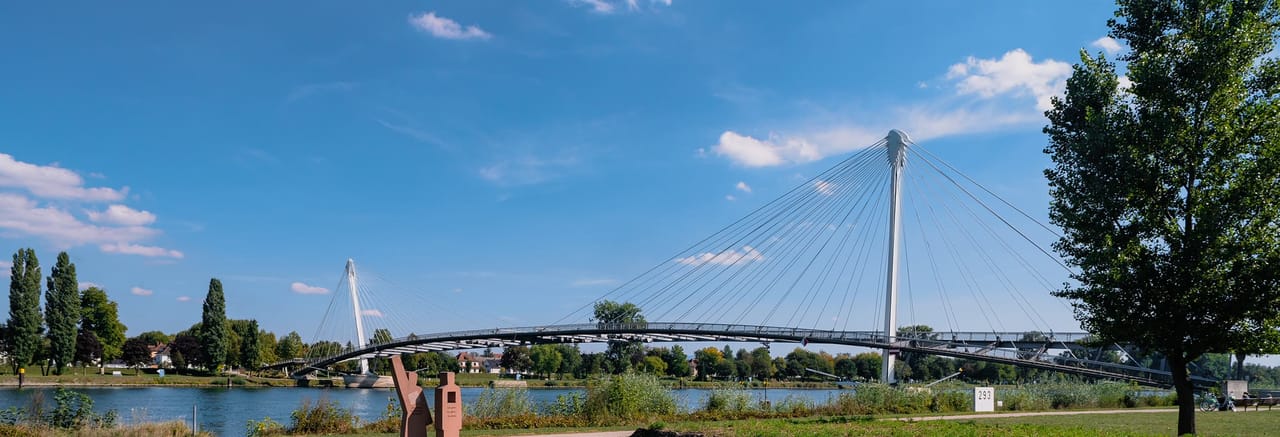
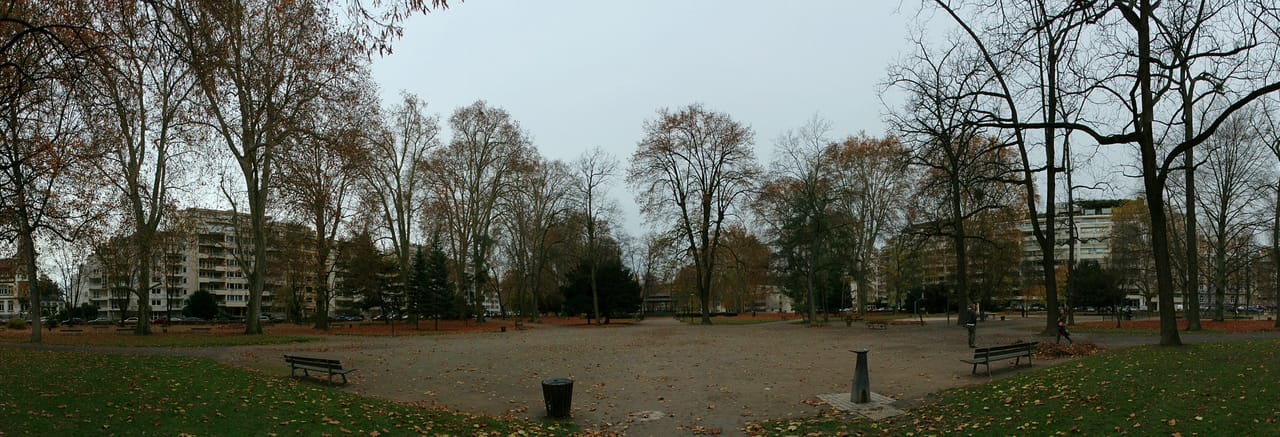
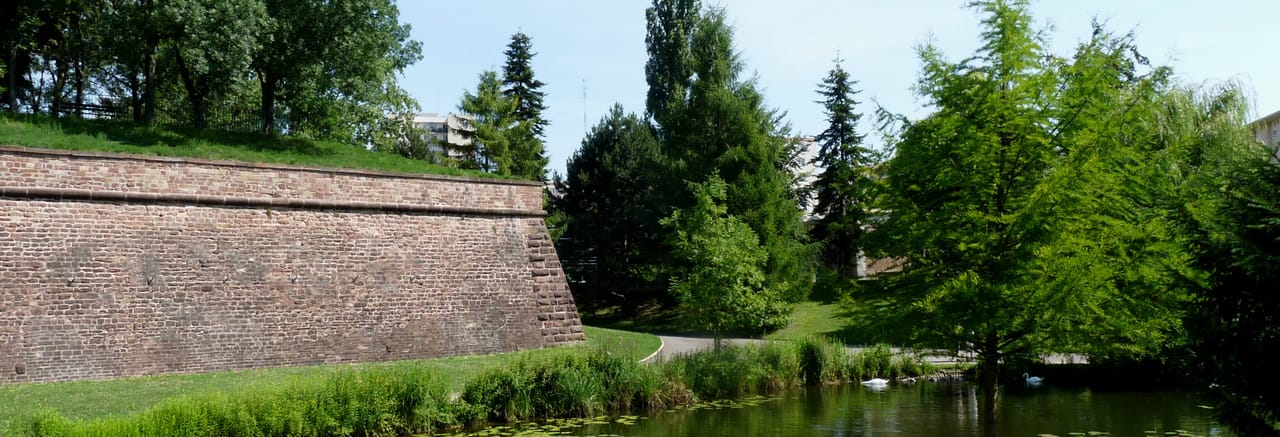
Parc de l'Orangerie is a 26-hectare public park in the heart of Strasbourg's Neustadt, right opposite the Palais de l'Europe. People come for its lake and rowing boats, its storks, the Pavillon Joséphine and the Buerehiesel, a half-timbered house brought from Molsheim. Classified as a historic monument, it is the ideal family walk to combine with the European quarter.
Orange trees for an empress
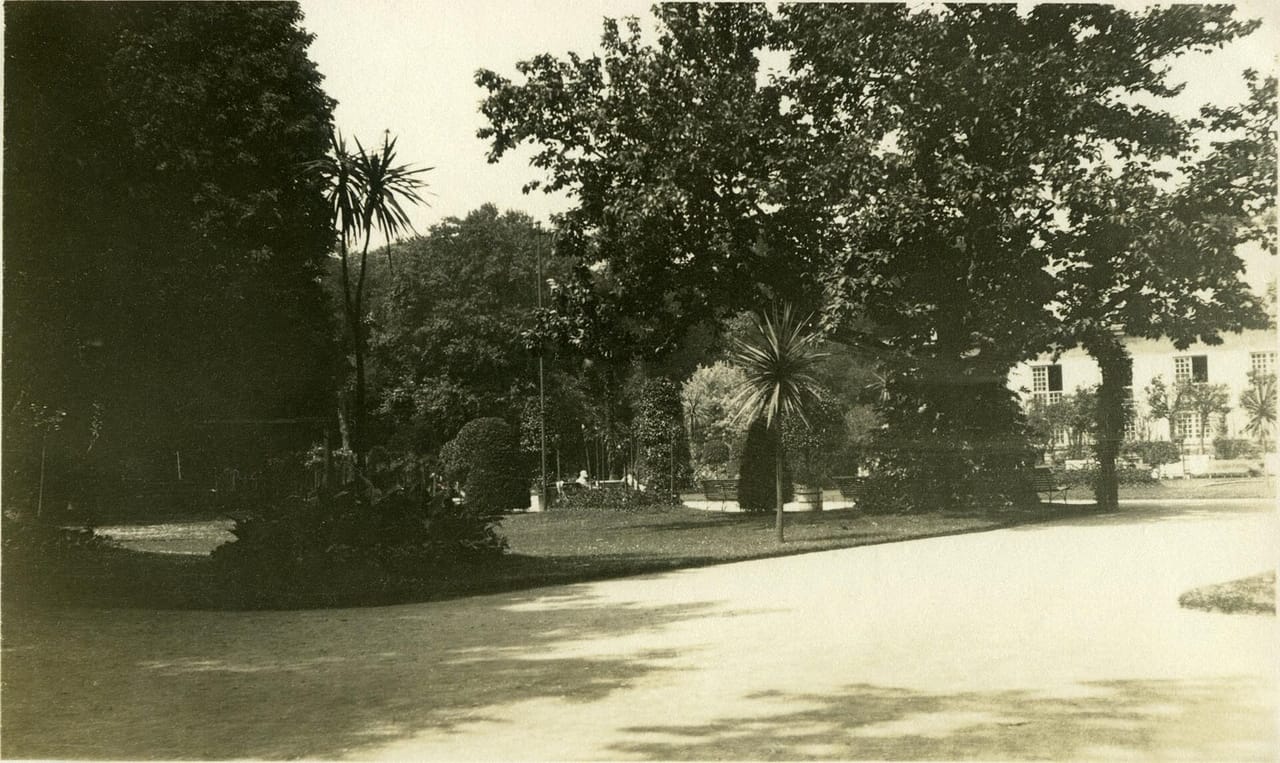
The park's origins are debated: some sources attribute its layout to André Le Nôtre, others to the engineer Antoine du Chaffat, who drew a plan in 1735. The name comes from orange trees confiscated from the château de Bouxwiller during the Revolution and entrusted to Strasbourg. To house them, the Pavillon Joséphine was built in 1804, named in honour of Joséphine de Beauharnais. Destroyed by fire in 1968, it was rebuilt identically; three orange trees survive in the greenhouses.
1895: the lake, the waterfall and the Buerehiesel
Much of the park's current look dates from 1895, when Strasbourg hosted the Alsace-Lorraine industrial and craft exhibition. The park was then greatly enlarged, and the artificial lake and its waterfall were dug. It was also for this exhibition that a half-timbered house from around 1600 was brought here from Molsheim: the Buerehiesel, now a restaurant. It lends the park the air of an Alsatian village among its paths.
Boats, storks and a mini-farm
The park is one of Strasbourg families' favourite playgrounds. You can hire a boat on the lake, watch the storks, emblem of Alsace, near the reintroduction centre, and stop at the mini-farm. Play areas, sports fields, a bowling alley, pétanque courts and a small driving circuit for children round things off, with ice-cream sellers on fine days. The former mini-zoo closed in 2022 to make way for the Arche de l'Orangerie, a centre focused on animal welfare.
A historic monument facing Europe
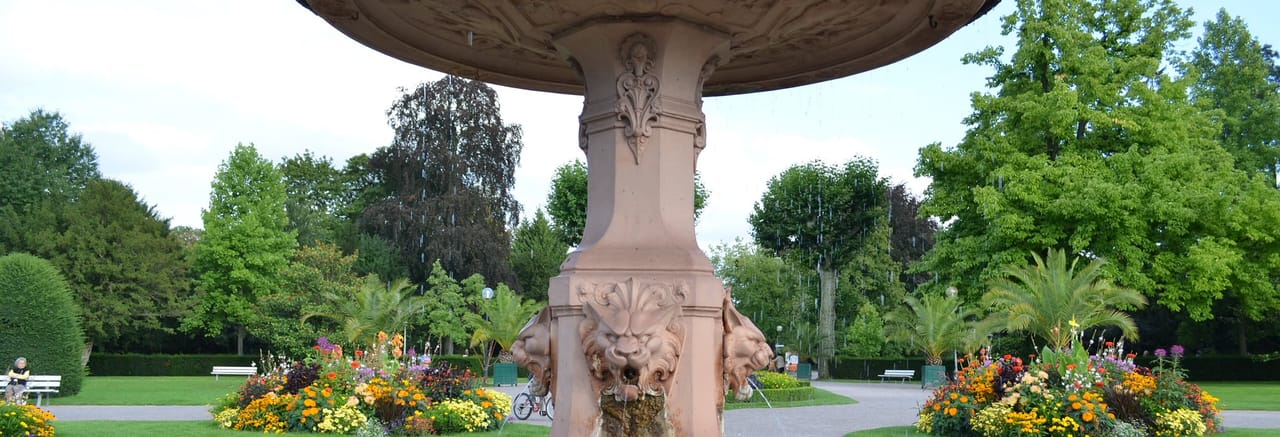
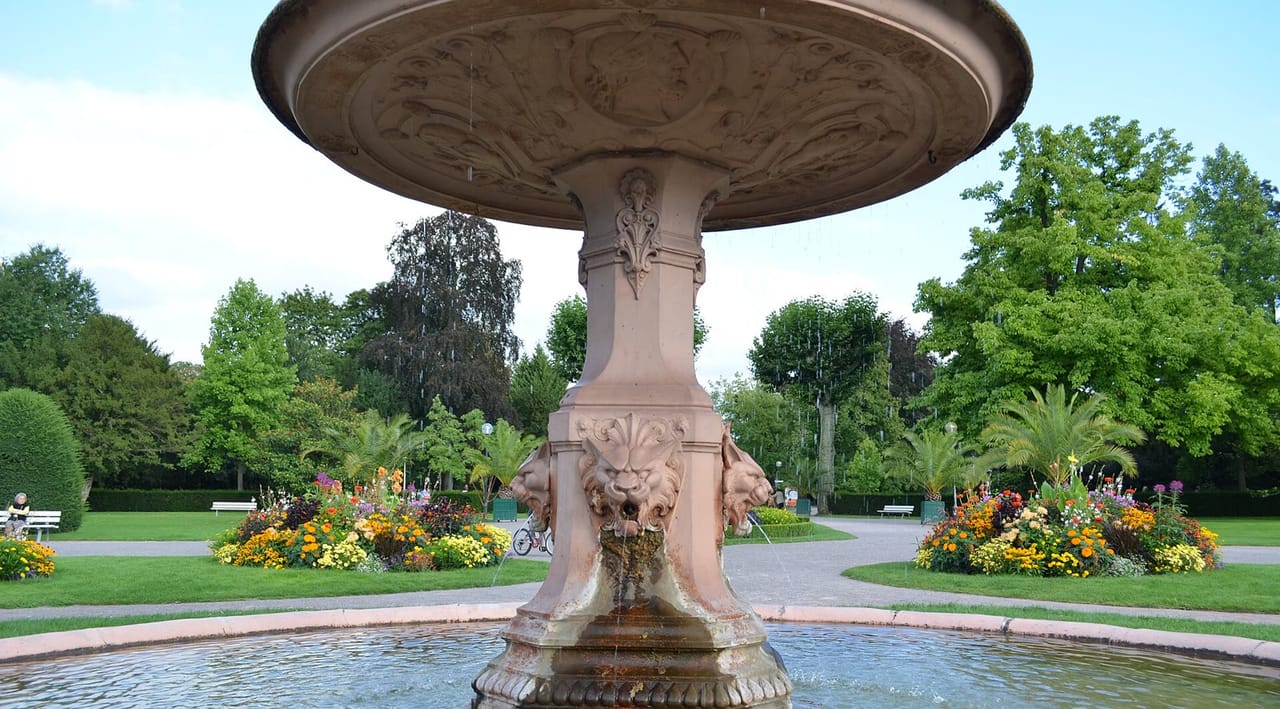
The Pavillon Joséphine was listed as a historic monument in 1929, and the whole park was classified in 1993. Holding the EcoJardin label, it saw its hornbeam fountain restored in 2012 and its main paths redesigned in 2013. Bordered to the north by the Marne-Rhine canal, it faces the Palais de l'Europe, making it a natural green break during a visit to the European quarter. Tram E (Droits de l'Homme stop) and several bus lines serve it.
Frequently asked questions
How do I get to Parc de l'Orangerie?
The park is in the Neustadt, opposite the Palais de l'Europe. Tram E stops at Droits de l'Homme, and several bus lines serve it.
Can you see storks in Parc de l'Orangerie?
Yes, the park has a stork reintroduction centre, and the birds are easy to spot in the trees and around the lake.
Why is the park protected?
For its history and landscape as a whole: the Pavillon Joséphine, built in 1804, has been listed since 1929, and the whole park has been a classified historic monument since 1993.
What is there to see around the park?
The Palais de l'Europe, the European Parliament and the Lieu d'Europe at Kaysersguet are close by, as are the handsome avenues of the Neustadt.
Wikimedia Commons — francois schnell from Strasbourg, France · Wikimedia Commons — Joseph Théophile Léon Gheysens (1878 - 1967)