Strasbourg Museum of Decorative Arts
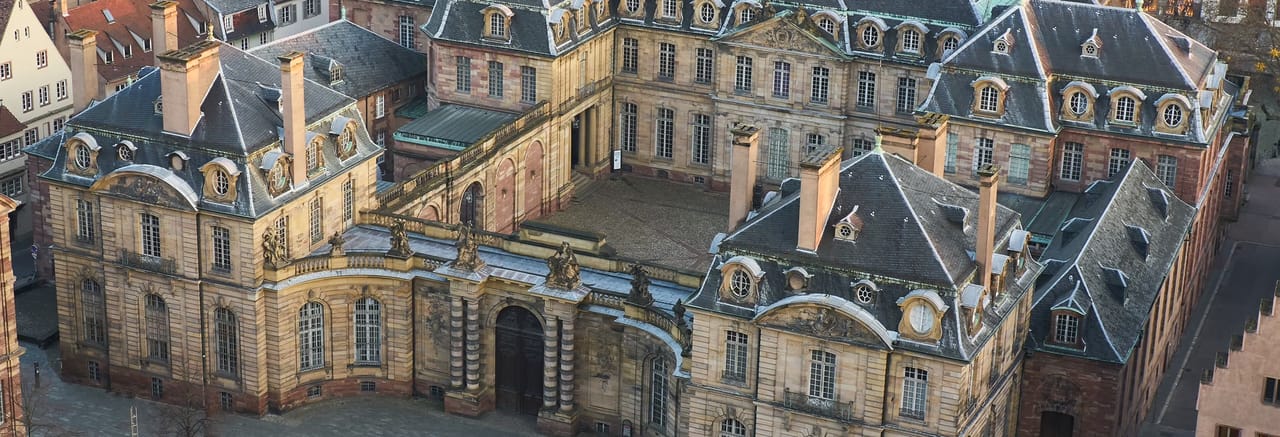
The Museum of Decorative Arts occupies the ground floor of the Palais Rohan, the former residence of the prince-bishops, opposite the cathedral. You walk through the apartments of the Rohan cardinals, then Strasbourg collections from 1681 to 1870: Hannong faience, silverware, furniture and clocks. An ideal visit to understand the city's taste and craftsmanship in the 18th century.
The prince-bishops' palace, facing the cathedral
The Palais Rohan, at 2 Place du Château, was built from 1732 to 1742 for the prince-bishops of Strasbourg, to plans associated with the architect Robert de Cotte. Listed as a historic monument since 1920, it stands between the cathedral and the Ill. Today the building houses three museums: Fine Arts upstairs, the archaeological museum in the basement and Decorative Arts on the ground floor. The Museum of Decorative Arts descends from the Hohenlohe-Museum, founded in 1890 and moved to the palace in 1898.
The apartments of the Rohan cardinals
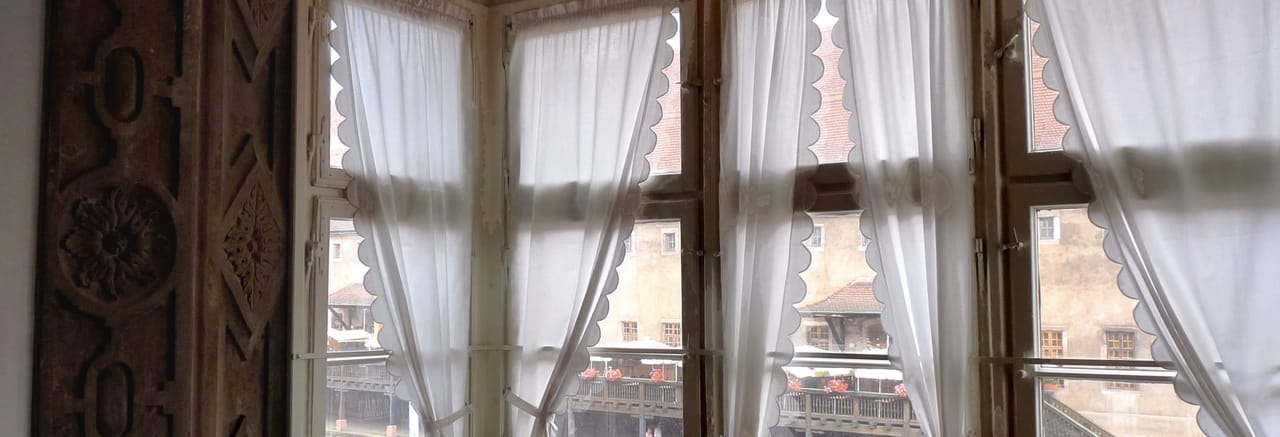
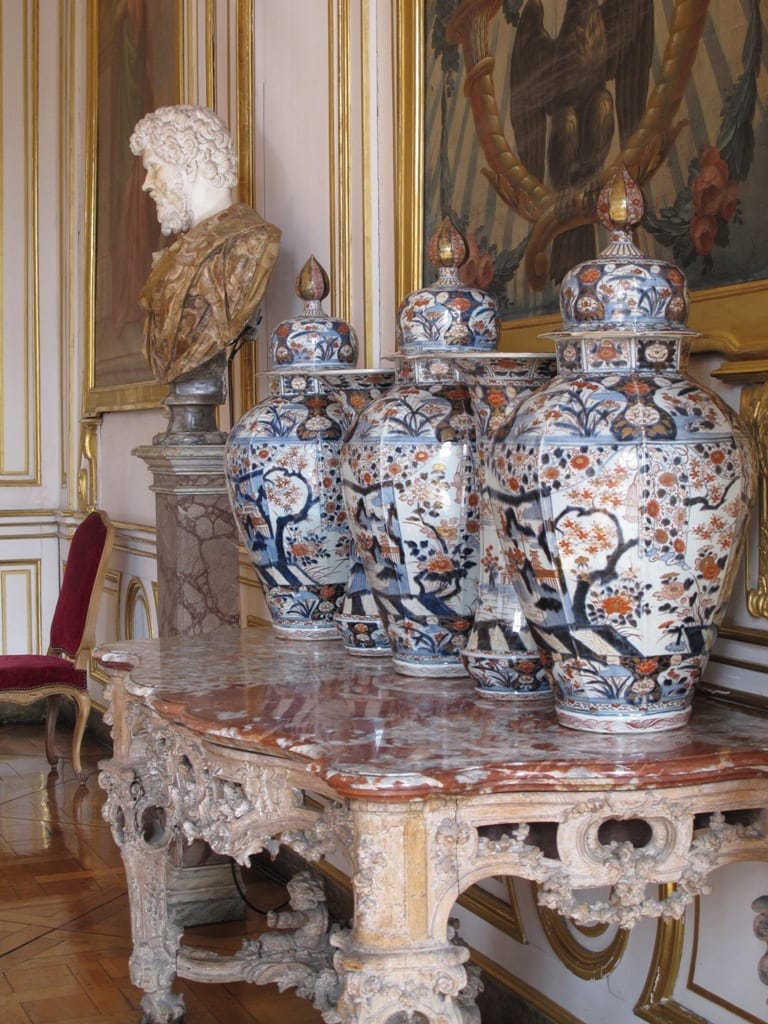
Half of the visit is devoted to the state apartments of the Rohan cardinals. Panelling, ceilings, furniture and hangings make up Rococo rooms, with a few also bearing the mark of the First Empire, when the palace served as an imperial residence. Damaged by the bombardments of 1870 and 1944, these interiors were restored to a state close to how they looked before the destruction. It's a chance to see what court life was like for a prince-bishop, a few metres from the cathedral he presided over.
Hannong faience and Strasbourg silversmiths
The other half of the museum traces the decorative arts made in Strasbourg from 1681 to 1870. Faience plays a major role, with pieces from the Hannong factories, alongside work from Niderviller. The silver collection highlights Strasbourg silversmith families such as the Kirsteins and the Imlins. Furniture and ceramics round out the collection, together with mechanical toys from the donation of Tomi Ungerer, the Strasbourg-born illustrator. Objects older than 1681 are shown at the neighbouring Musée de l'Œuvre Notre-Dame.
Clocks, automata and the cathedral's rooster
The clock room holds parts of earlier versions of the cathedral's astronomical clock, including the iron, copper and wood automaton rooster that once crowed in the mechanism. Seeing it up close after discovering the current clock inside the cathedral adds depth to the visit. In practical terms, the museum is open every day except Tuesday, with a lunchtime break on weekdays. Partial closures or temporary exhibitions sometimes change the route and admission price, so check the Strasbourg museums' website before you go.
Practical information
Address: 2 Place du Château
Frequently asked questions
Where is the Museum of Decorative Arts?
On the ground floor of the Palais Rohan, 2 Place du Château, just south of the cathedral on the Grande Île.
What can you see there?
The state apartments of the Rohan cardinals, then Hannong faience, silverware, furniture, clocks and mechanical toys, all linked to Strasbourg between 1681 and 1870.
When can you visit?
Every day except Tuesday: on weekdays from 10 am to 1 pm and 2 pm to 6 pm, at weekends from 10 am to 6 pm, according to the official website. Check before you go in case of partial closure.
What can I combine it with?
With the cathedral and its astronomical clock just opposite, the neighbouring Musée de l'Œuvre Notre-Dame, and the other two museums in the Palais Rohan, Fine Arts and Archaeology.
Wikimedia Commons — Anca Pandrea