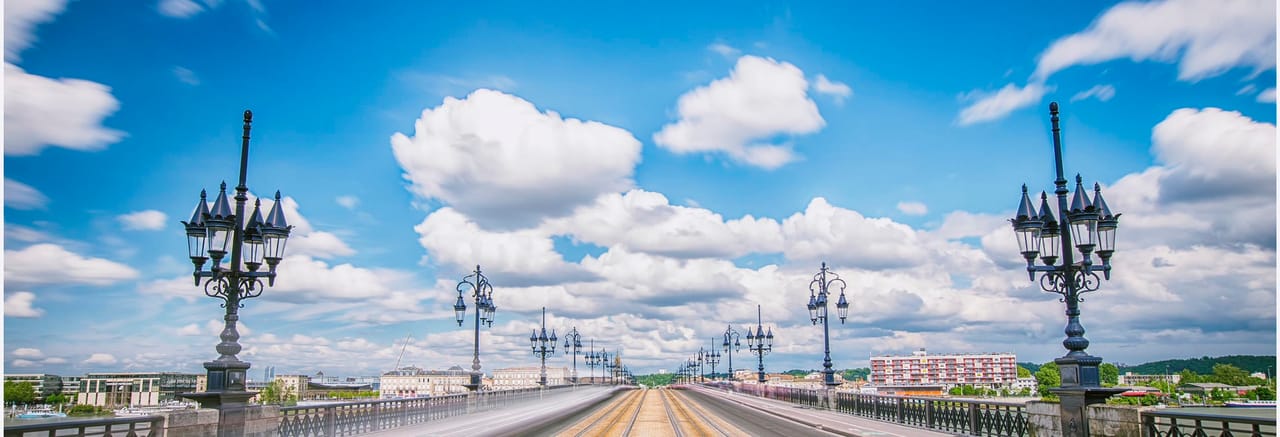
Pont de Pierre
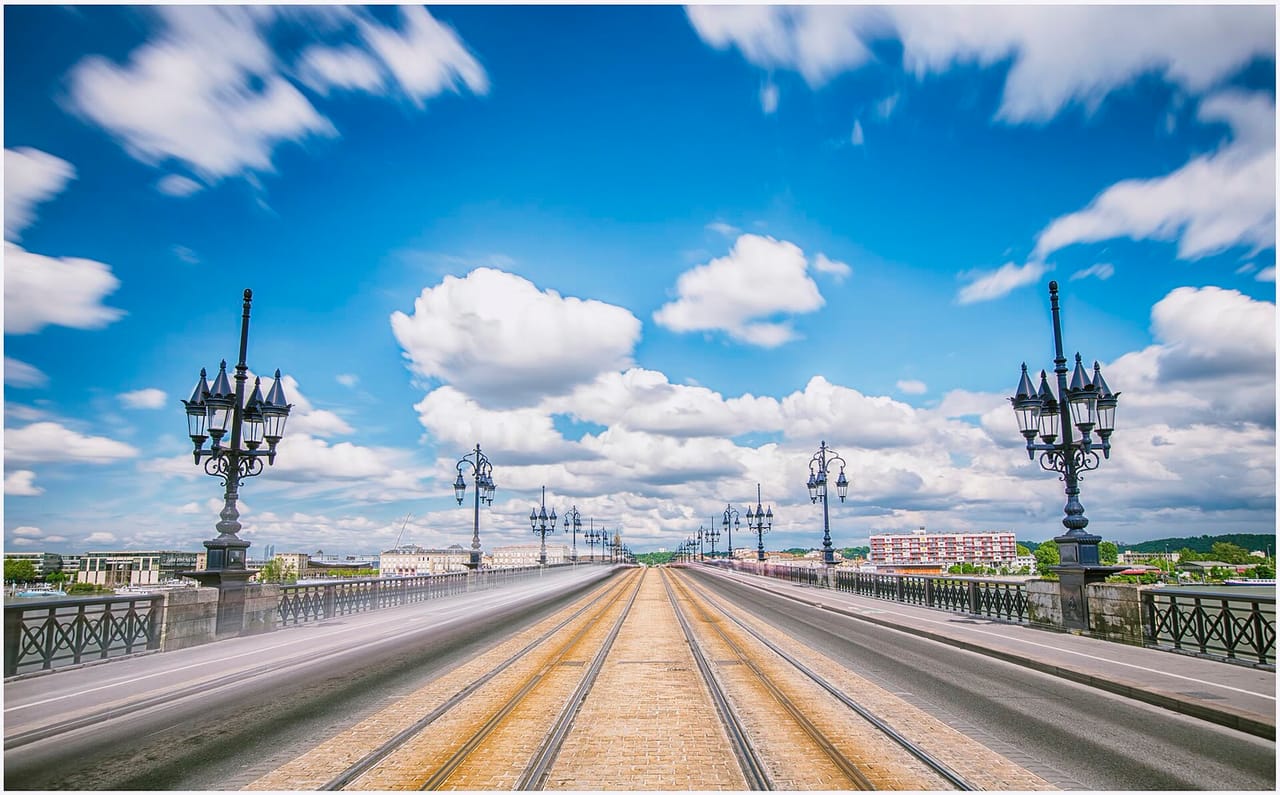
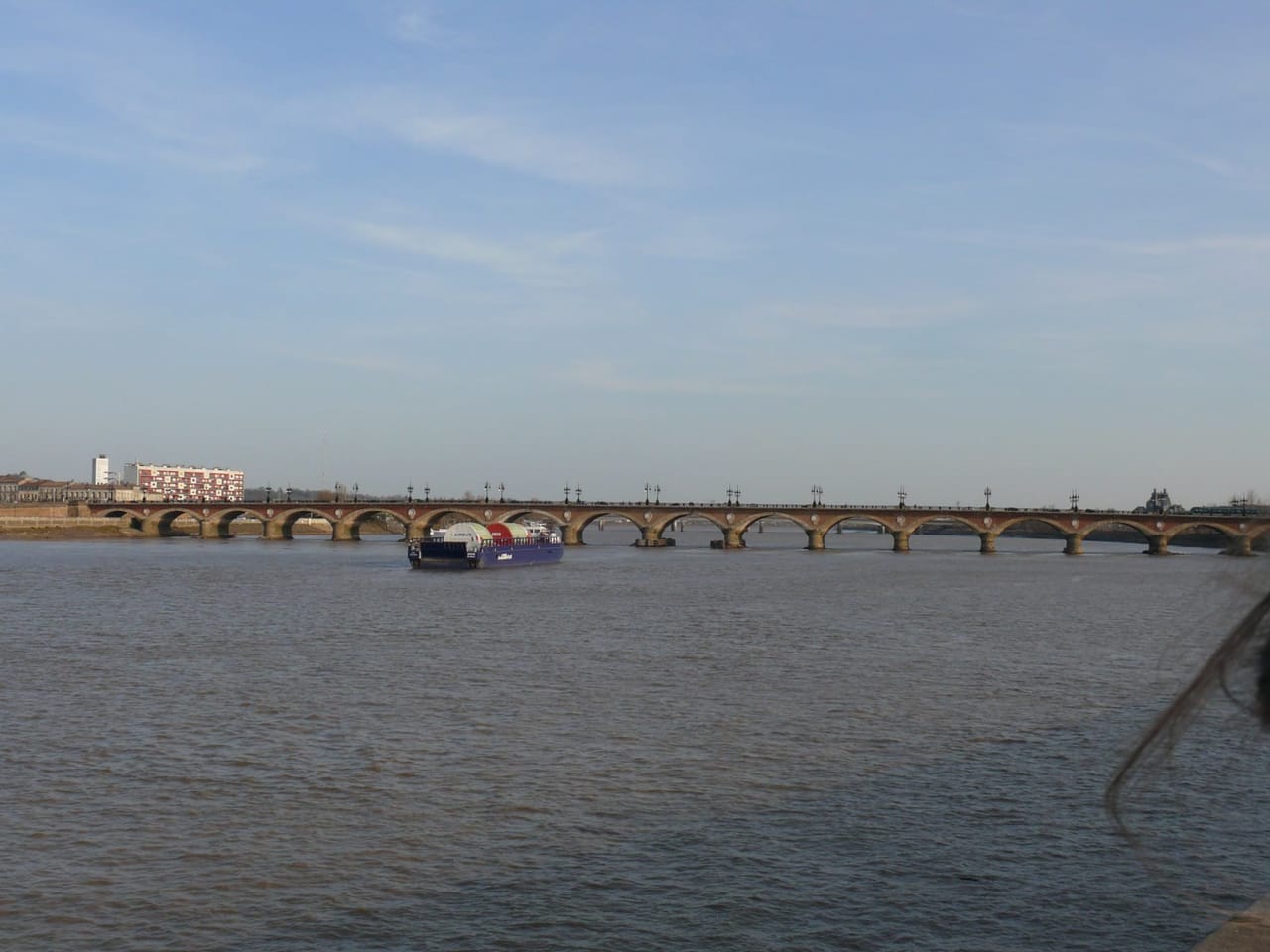
The Pont de Pierre is the great masonry arch bridge that crosses the Garonne in Bordeaux. Begun under Napoleon I and completed in 1822, it links the city centre to the right bank and the La Bastide district. It makes a good walk, with views of the quays.
A project launched under Napoleon
Work began in 1810 under Napoleon I and was completed in 1822 under Louis XVIII. Designed by the engineers Claude Deschamps and Jean-Baptiste Basilide Billaudel, it involved 4,000 workers. Built in stone and brick, it has the particularity of containing hollow spaces inside its structure.
Seventeen arches over the Garonne
The structure is 487 metres long and has 17 arches built on 16 piers. Its original width of 14.6 metres became 19 metres in 1954. The project originally called for 19 arches, reduced to 17 in 1819 for budgetary and architectural reasons, so the popular tale linking that number to the letters of Napoleon Bonaparte's name is not true.
La Bastide joins Bordeaux
Funding mixed public and private money: a company founded in 1818 collected a toll, which the city bought back in 1863. The bridge then allowed La Bastide to be attached to Bordeaux on 1 January 1865, opening the right bank to new port facilities and urban growth.
Crossing on foot, from Place de Bir-Hakeim to La Bastide
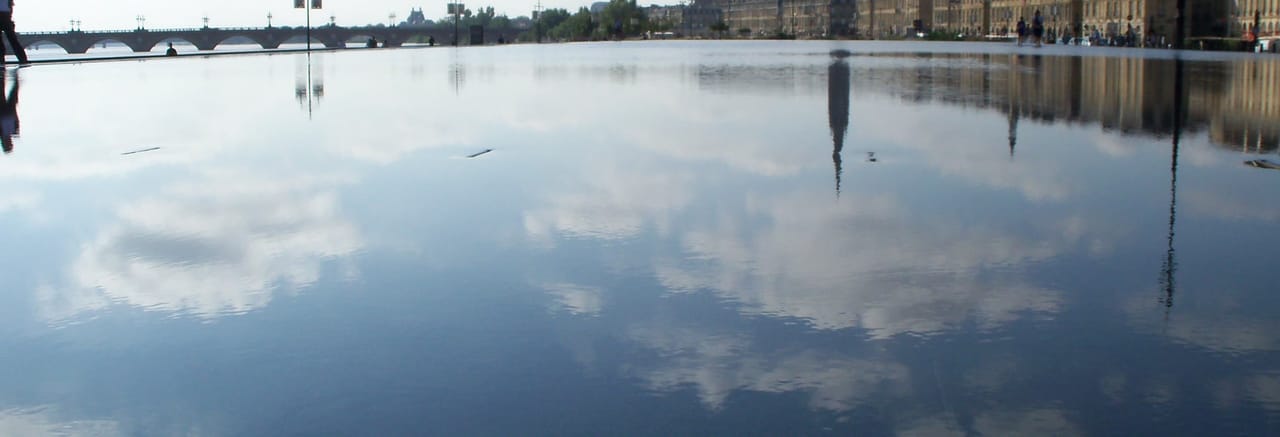
The bridge links Place de Bir-Hakeim, at the end of Cours Victor-Hugo, to Place Stalingrad on the right bank. A listed historic monument since 17 December 2002, it is pleasant to cross on foot: the view of the waterfront facades from the opposite bank is among the finest in the city.
Practical information
Address: Entre la place Bir Hakeim et la place Stalingrad, 33000 Bordeaux
Frequently asked questions
Where is the Pont de Pierre?
Between Place de Bir-Hakeim on the city-centre side and Place Stalingrad on the right bank of the Garonne.
Why is it notable?
It is a 487-metre structure with 17 arches, completed in 1822, which allowed Bordeaux to extend to the right bank.
Can you walk across it?
Yes, it is an urban bridge open to all: crossing on foot is one of the best ways to take in the waterfront.
What can you combine it with?
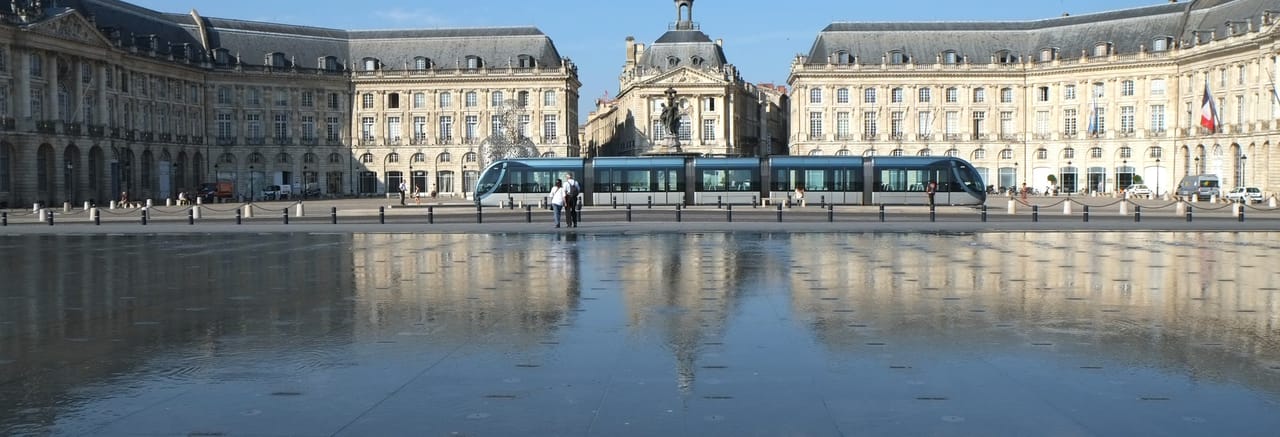
With the Porte de Bourgogne and Place de la Bourse on the centre side, or with the right-bank quays and the La Bastide district.
Wikimedia Commons — Nguyenhuuthanh · Wikimedia Commons — This illustration was made by Peter Potrowl . Please credit this with : © Peter