Couvent des Récollets de Metz
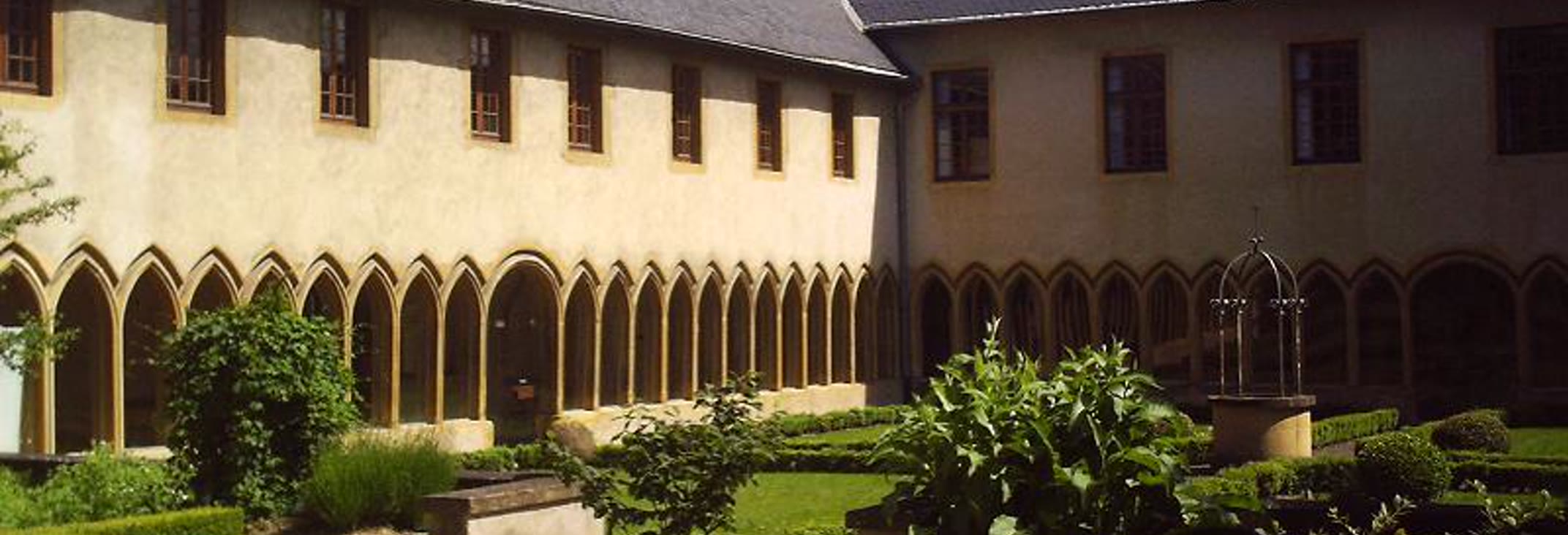
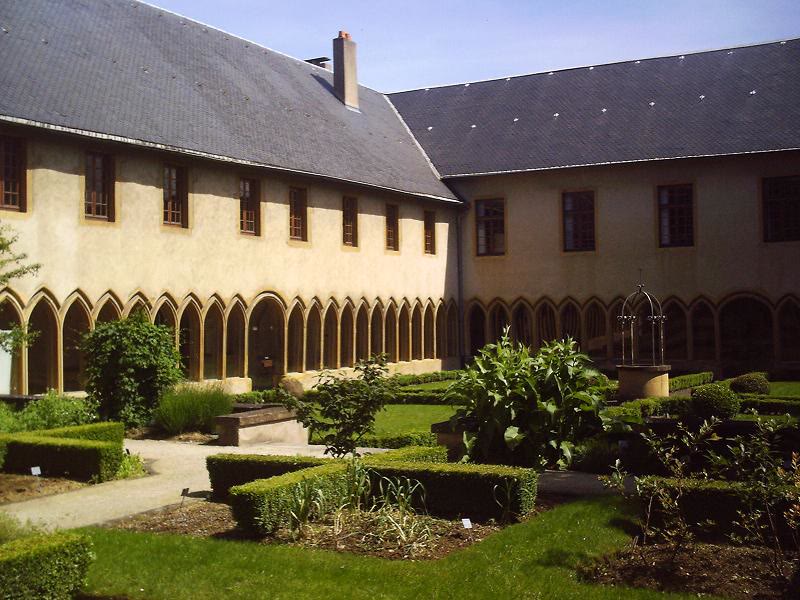
Perched on the Sainte-Croix hill, the historic cradle of Metz, the Récollets Cloister is a well-kept secret. Behind its medieval walls hides one of the city's most peaceful havens: a square courtyard, a well, Gothic galleries of touching simplicity. A former Franciscan convent, it now houses the European Institute of Ecology and the municipal archives. People come to breathe, to wander among the medieval-inspired gardens and to enjoy, just steps from the bustle, a rare silence in the heart of the Ancienne Ville quarter.
From Cordeliers to Récollets
The site's history began around 1230, when brothers of the Cordelier order, a Franciscan branch, settled on the Sainte-Croix hill. The convent grew through the 13th and 14th centuries, following gifts and the community's needs. From 1602 the Récollets, reformed Franciscans devoted to a stricter observance, took over the buildings and left their name to them. They remained until the Revolution scattered the community. This long religious companionship shaped a strikingly coherent ensemble, where the spirit of Franciscan simplicity can still be read in every stone.
A Gothic cloister of rare simplicity
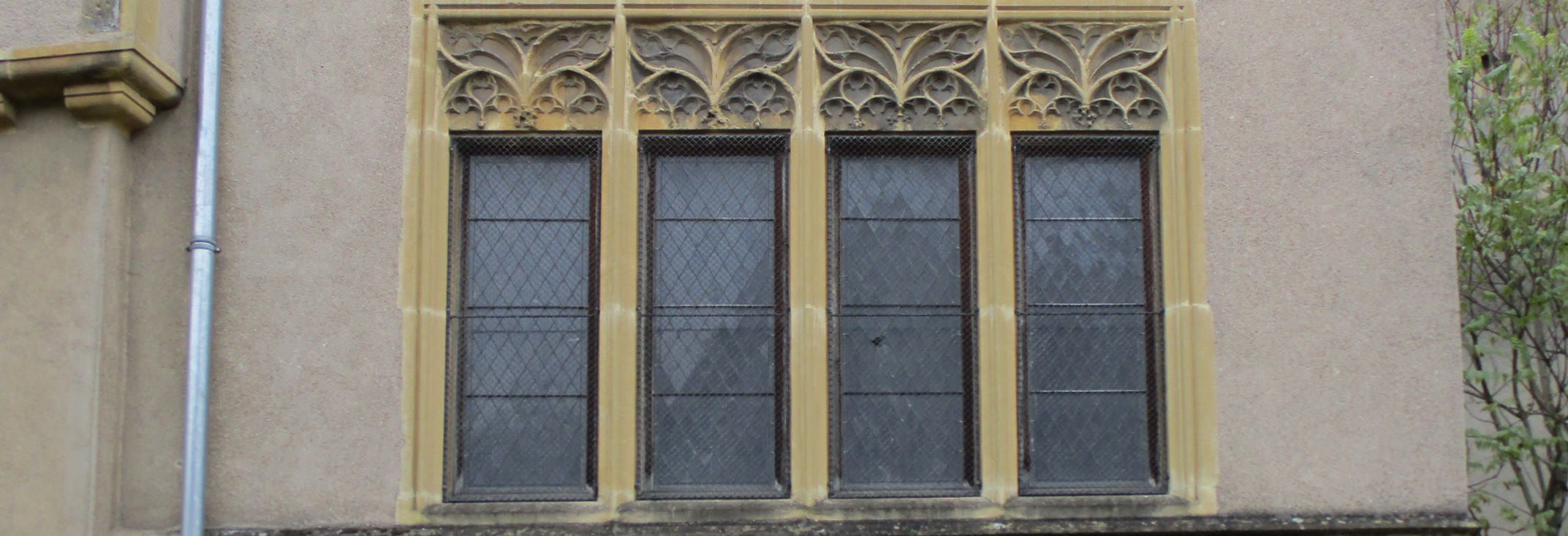
The cloister's charm lies in its restraint. Around a square courtyard set with a well, the Gothic galleries form a walkway of great purity of line. A typically Metz detail: these galleries and the chapter room are not stone-vaulted but ceiled in wood, a solution also found in local civic architecture. In 1975 a 14th-century mural depicting the Annunciation was uncovered in the western wall, a precious witness to the original decoration. Together they make up one of the few medieval cloisters preserved in north-eastern France.
Cradle of European ecology
In 1972 the Metz botanist and pharmacist Jean-Marie Pelt founded the European Institute of Ecology here, and its headquarters still occupy the site. The choice was no accident: reclaiming a medieval convent to think about the planet's future gives the place a singular aura. Today the Récollets bring together associations and institutions working on sustainable development, the energy transition and solidarity. Since 2002 the municipal archives have also been housed here, extending the site's role as a keeper of memory. This union of old heritage and contemporary commitment makes the Récollets a living place, far from a frozen relic.
A calm interlude to visit
The cloister lends itself beautifully to a contemplative pause. Its medieval-inspired gardens, planted with herbs and simples, recall the ways of old convents and fill the air with scent in fine weather. It makes an ideal stop on a walk across the Sainte-Croix hill, among cobbled lanes, old houses and views over the city. A few minutes on foot from the cathedral and the lively squares, it perfectly rounds out a discovery of old Metz. Staying in this quarter means treating yourself each morning to such a haven of serenity before setting off to explore the rest of the city.
Infos pratiques
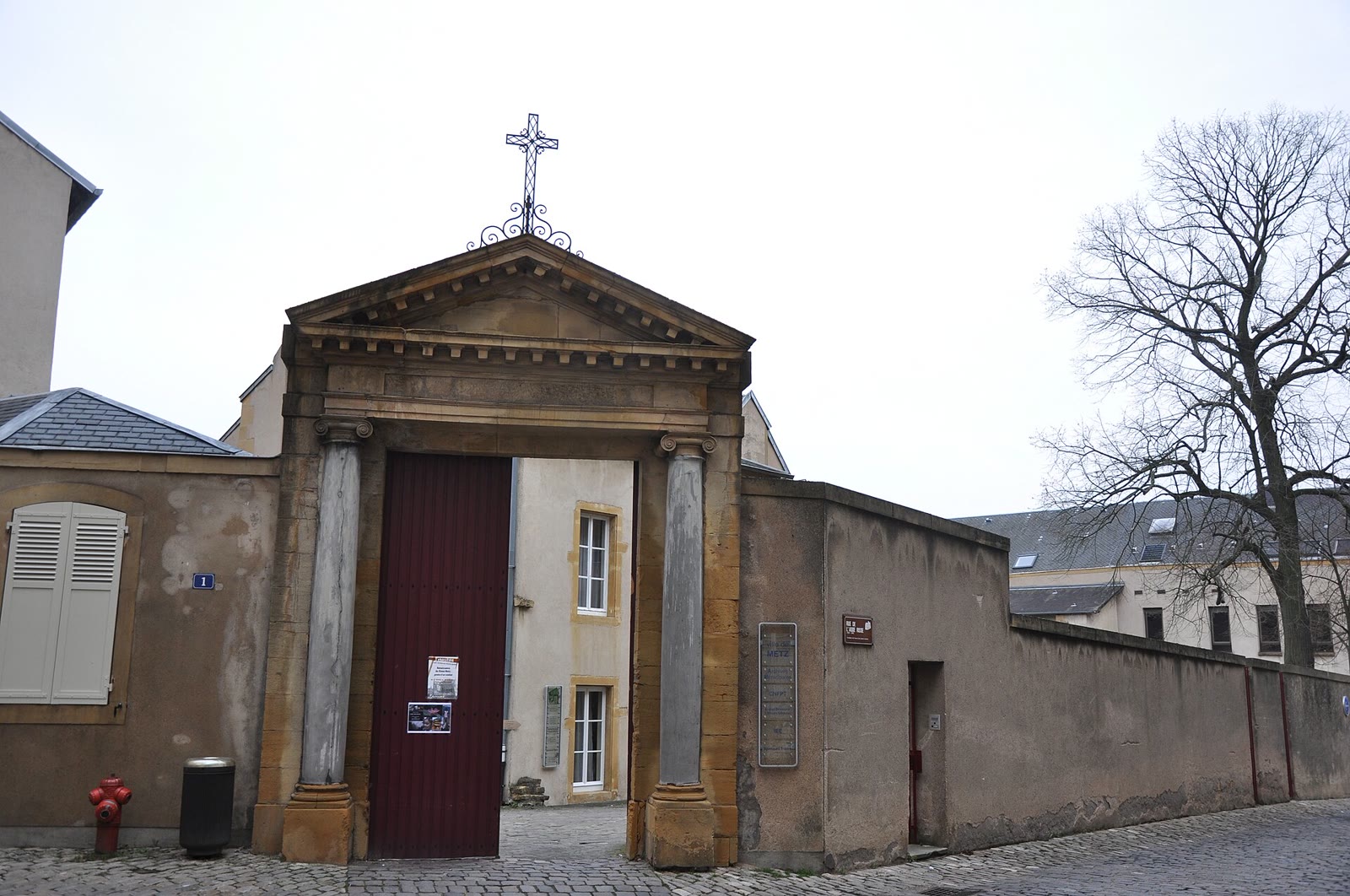
Adresse : 1 rue des Récollets, 57000 Metz
Questions fréquentes
Can you visit the Récollets Cloister?
The courtyard and galleries are usually accessible during the day, the site being home to the European Institute of Ecology and the municipal archives. Opening times may vary with the site's activity, so check with the City of Metz before your visit.
Who were the Récollets?
The Récollets were reformed Franciscans, committed to a strict observance of poverty. They occupied the convent from 1602, succeeding the Cordeliers established there in the 13th century, and left their name to it until the Revolution.
What is housed in the buildings today?
Since 1972 the site has housed the European Institute of Ecology founded by Jean-Marie Pelt, along with associations working for sustainable development. The Metz municipal archives have been located here since 2002.
Is the cloister a listed monument?
Yes. The façades, roofs and galleries of the cloister have been protected as a historical monument since 23 March 1972. It is one of the few medieval cloisters preserved in north-eastern France.
Wikimedia Commons · Wikimedia Commons — M.Strīķis