
Découvrir Metz
Monuments, musées, nature, gastronomie… le meilleur de Metz, sélectionné pour votre séjour.
Monuments
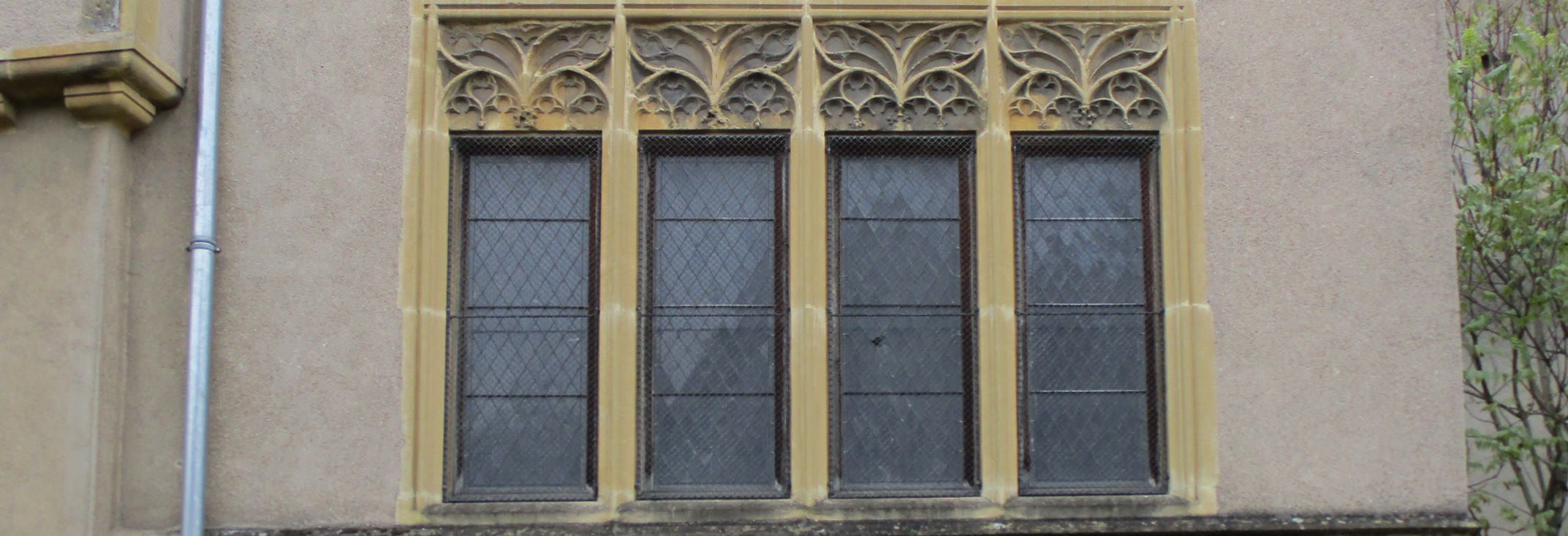
Couvent des Trinitaires de Metz
On the Sainte-Croix hill, the cradle of Metz, Les Trinitaires occupies a former convent that has become one of the city's cultural hotspots. Jazz, contemporary music, chanson and theatre meet here in a chapel, a vaulted cellar and, above all, a cloister that turns into an open-air stage in summer. A place steeped in history, now run by the Cité musicale-Metz.
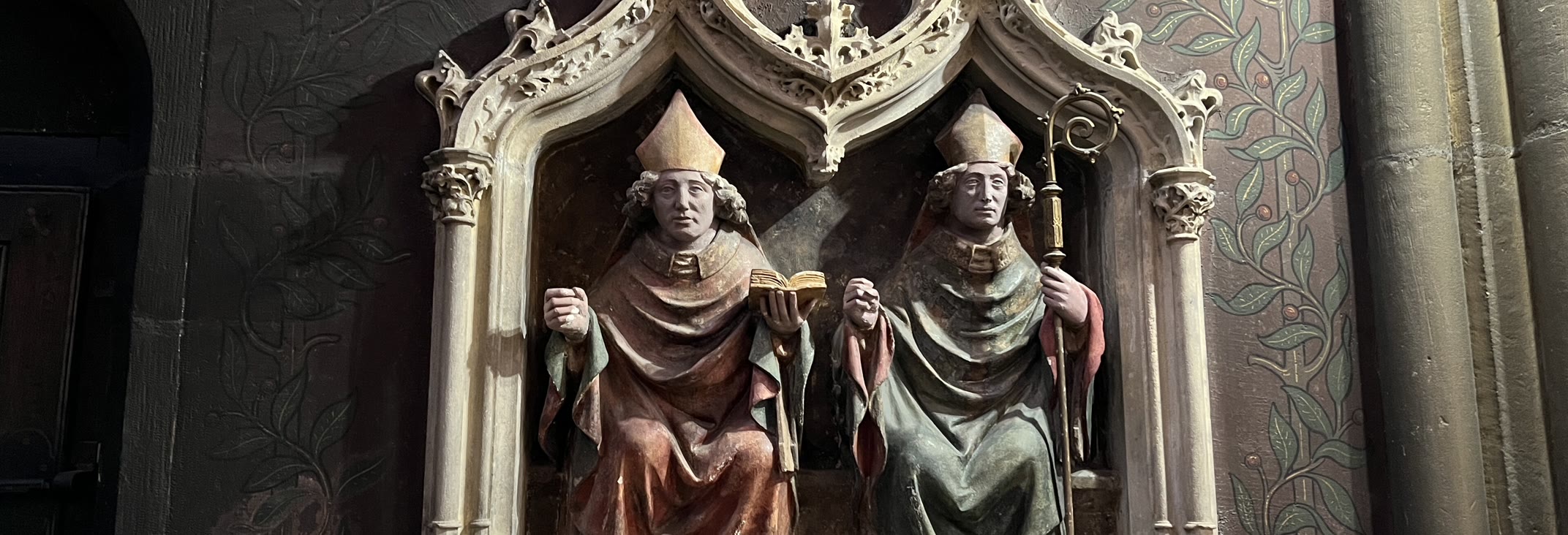
Église Sainte-Ségolène de Metz
Standing at the top of the Sainte-Croix hill on place Jeanne-d'Arc, Sainte-Ségolène church is recognisable from afar by its twin spires. This Catholic sanctuary, whose origins date back to the Middle Ages and whose Gothic nave rose around 1250, preserves a unique treasure: the oldest stained-glass window in Lorraine. A highlight of Metz's old town.
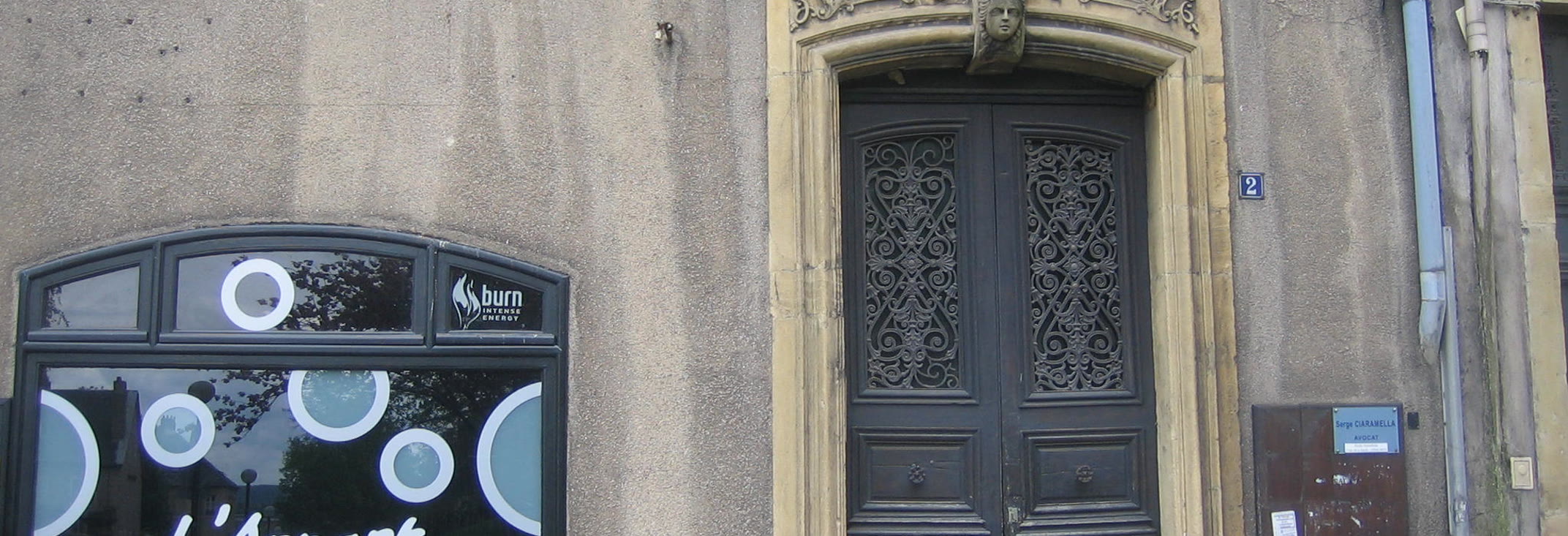
Maison natale de Verlaine
It was at 2 rue Haute-Pierre in Metz that one of the greatest French poets, Paul Verlaine, was born on 30 March 1844. Now a writer's house, the family apartment can be visited today: here you follow the life and work of the author of Fêtes galantes, in an intimate place labelled Maison des Illustres. A moving literary stop in the heart of the city.
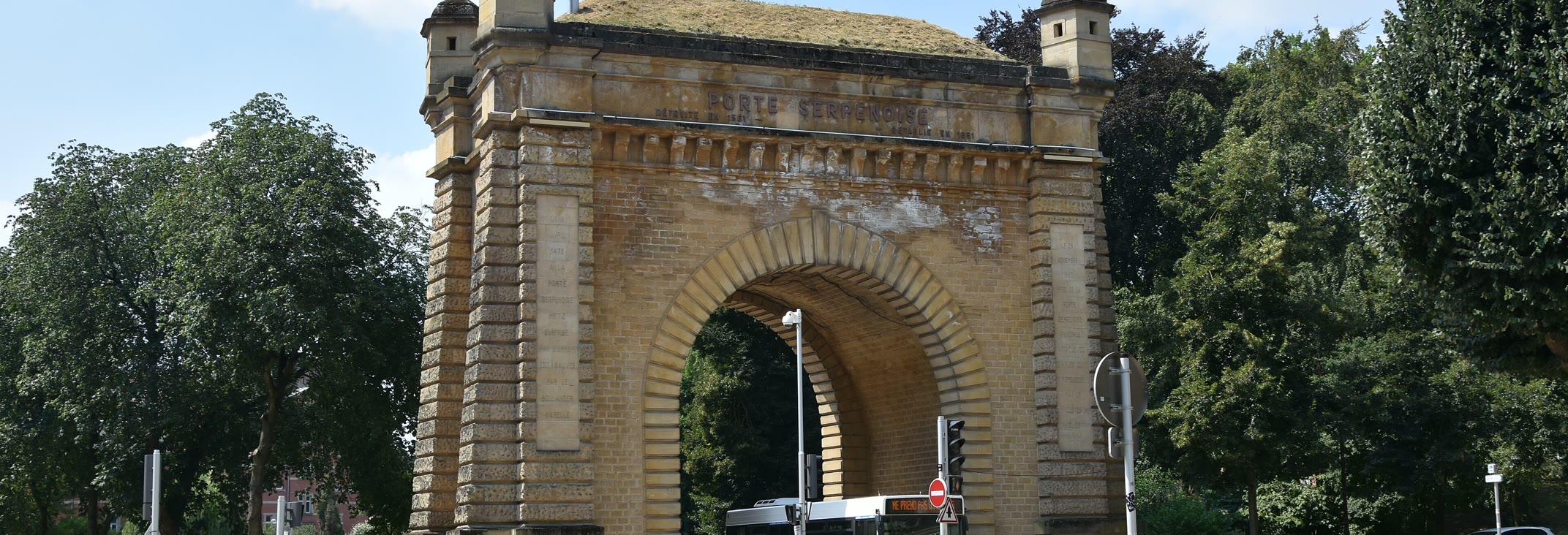
Porte Serpenoise
At the entrance to the centre of Metz, on avenue Robert Schuman, the Porte Serpenoise stands like an open-air history book. From the southern edge of the Roman city in the 3rd century to the liberation of 1918, it has witnessed sieges, resistance and liberations. Reshaped in the early 20th century into an elegant turreted arch, it remains one of the city's most symbolic monuments.
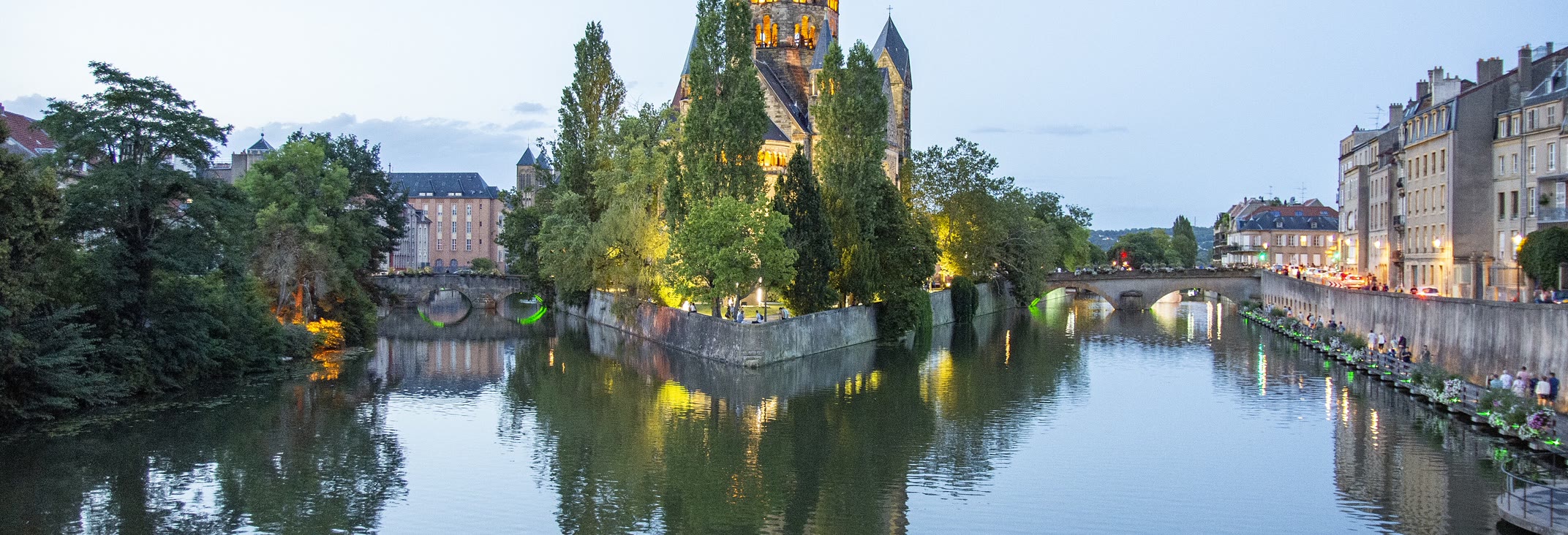
Temple Neuf, Metz
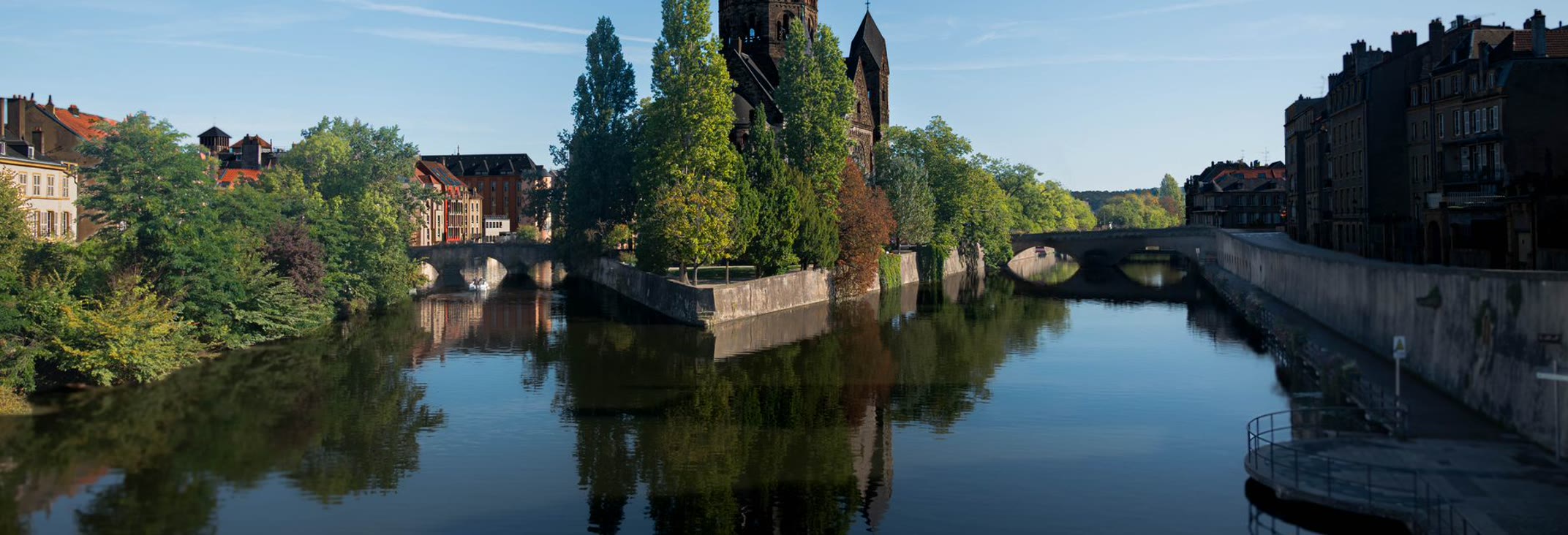
Rising on an island in the Moselle, at the tip of the Petit-Saulcy, the Temple Neuf is one of the most photographed monuments in Metz. This Protestant church in the neo-Romanesque style, built between 1901 and 1905 during the German period, mirrors itself in the calm waters of the pond, offering a postcard image. Its dark-sandstone outline watches over place de la Comédie and the jardin d'Amour.
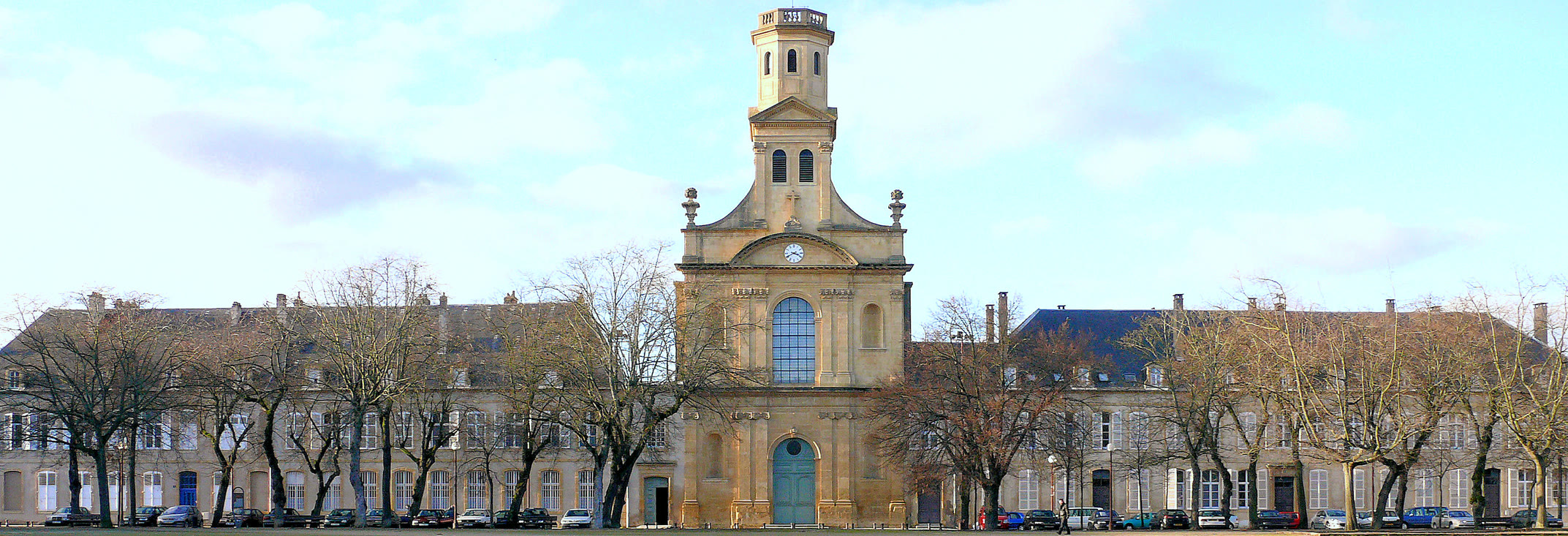
Église Saint-Simon de Metz
In the Îles quarter, ringed by the arms of the Moselle, stands a church very different from the medieval sanctuaries of Metz. Built between 1735 and 1740 at the initiative of the Marshal de Belle-Isle, the city's military governor, Saint-Simon-et-Saint-Jude displays an elegant neoclassical restraint. Unusually, it has no bell tower, so as to give no landmark to enemy gunners aiming at the nearby barracks. Placed under the patronage of the apostles Simon and Jude, it bears witness to the great urban project that transformed Metz in the Age of Enlightenment.
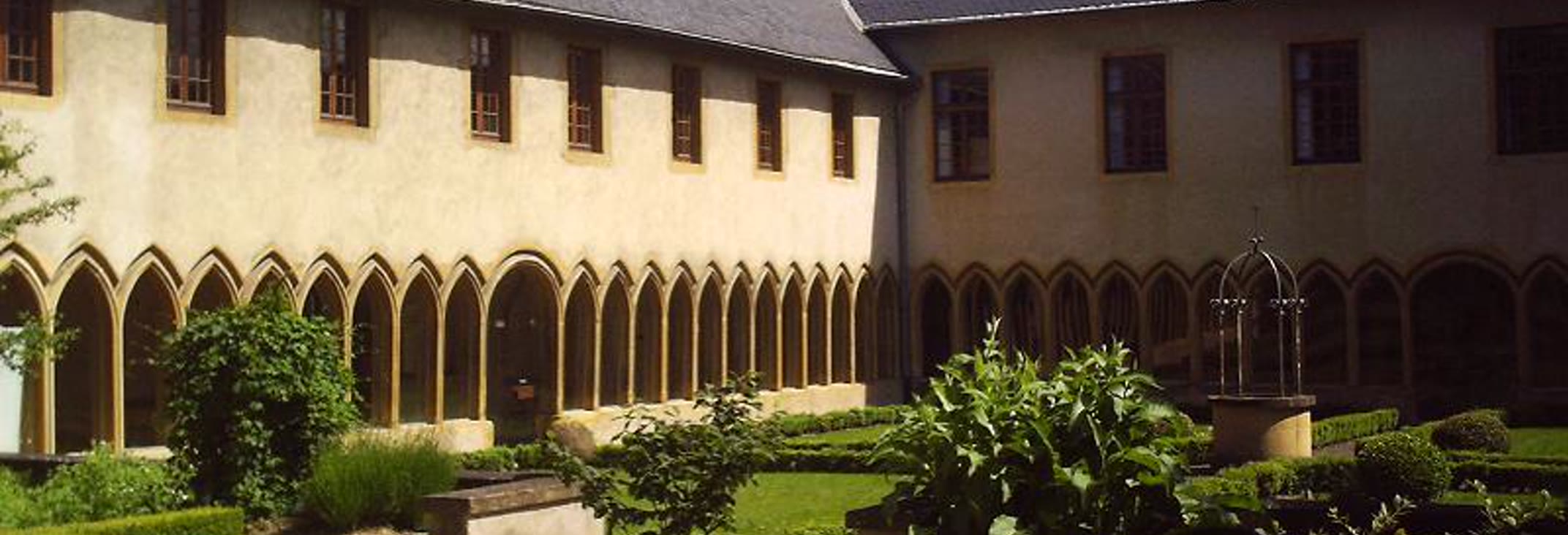
Couvent des Récollets de Metz
Perched on the Sainte-Croix hill, the historic cradle of Metz, the Récollets Cloister is a well-kept secret. Behind its medieval walls hides one of the city's most peaceful havens: a square courtyard, a well, Gothic galleries of touching simplicity. A former Franciscan convent, it now houses the European Institute of Ecology and the municipal archives. People come to breathe, to wander among the medieval-inspired gardens and to enjoy, just steps from the bustle, a rare silence in the heart of the Ancienne Ville quarter.
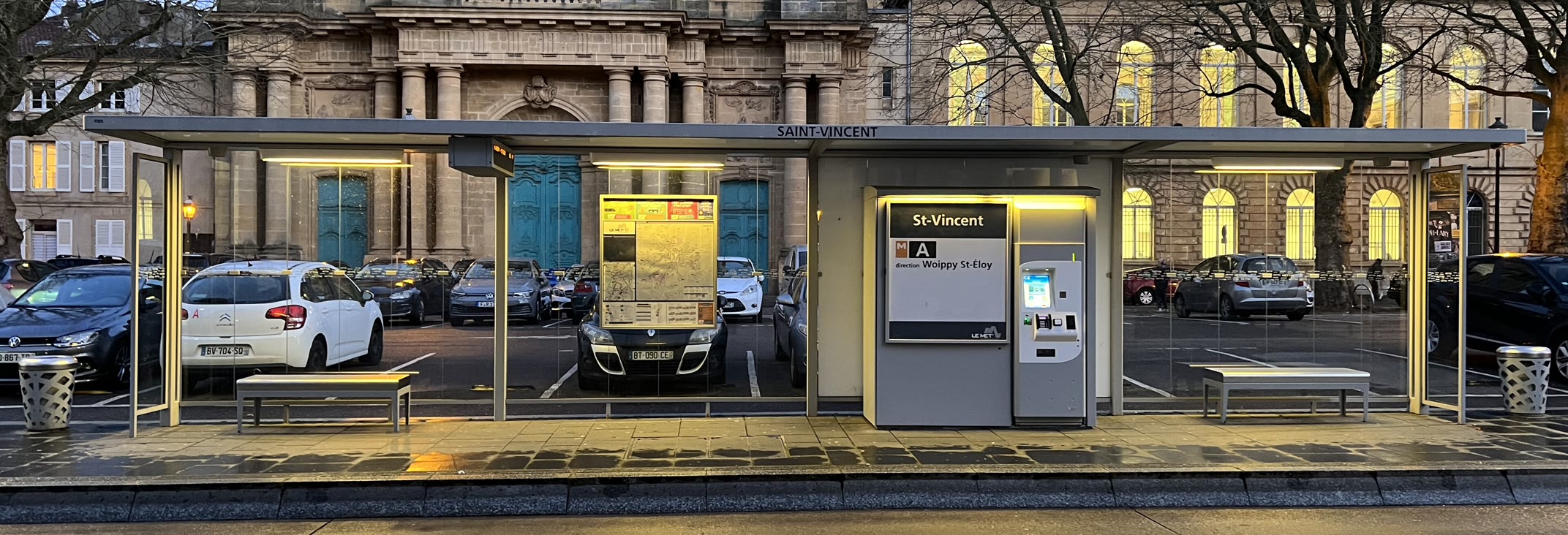
basilique Saint-Vincent de Metz
On the former Île du Saulcy, Saint-Vincent Basilica raises its twin towers above one of the oldest monastic quarters of Metz. Born of a Benedictine abbey founded in the 10th century, it offers a fascinating contrast: a soaring Gothic nave behind a classical 18th-century façade. Deconsecrated in 2012, it now enjoys a second life as a cultural and events venue. Concerts, exhibitions and light installations make a thousand years of history resonate, just steps from the centre and the Moselle.
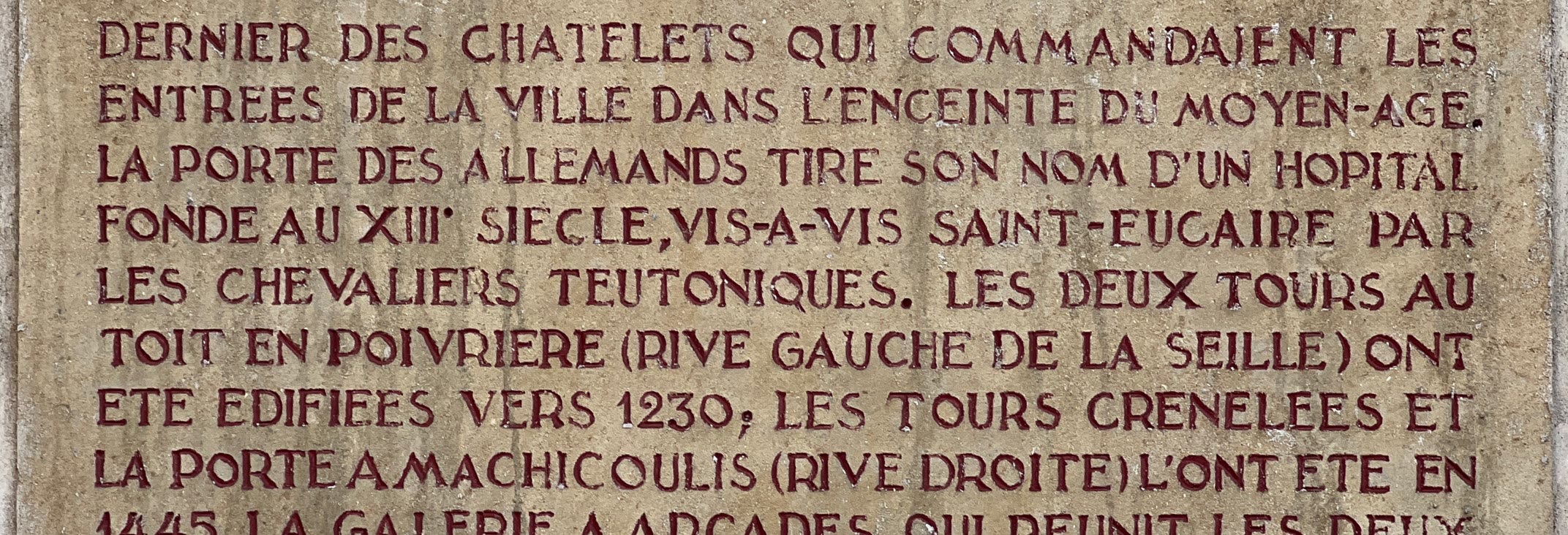
Germans' Gate
Standing at the eastern edge of the centre, the Germans' Gate straddles the Seille like a true castle. It is the last great survivor of the seventeen gates that once pierced the medieval walls of Metz. Its round towers, massive curtain walls and fortified bridge tell seven centuries of military history. Beautifully restored and now open for exhibitions, it offers a striking dive into the Middle Ages, just steps from the lively lanes of the Outre-Seille quarter.
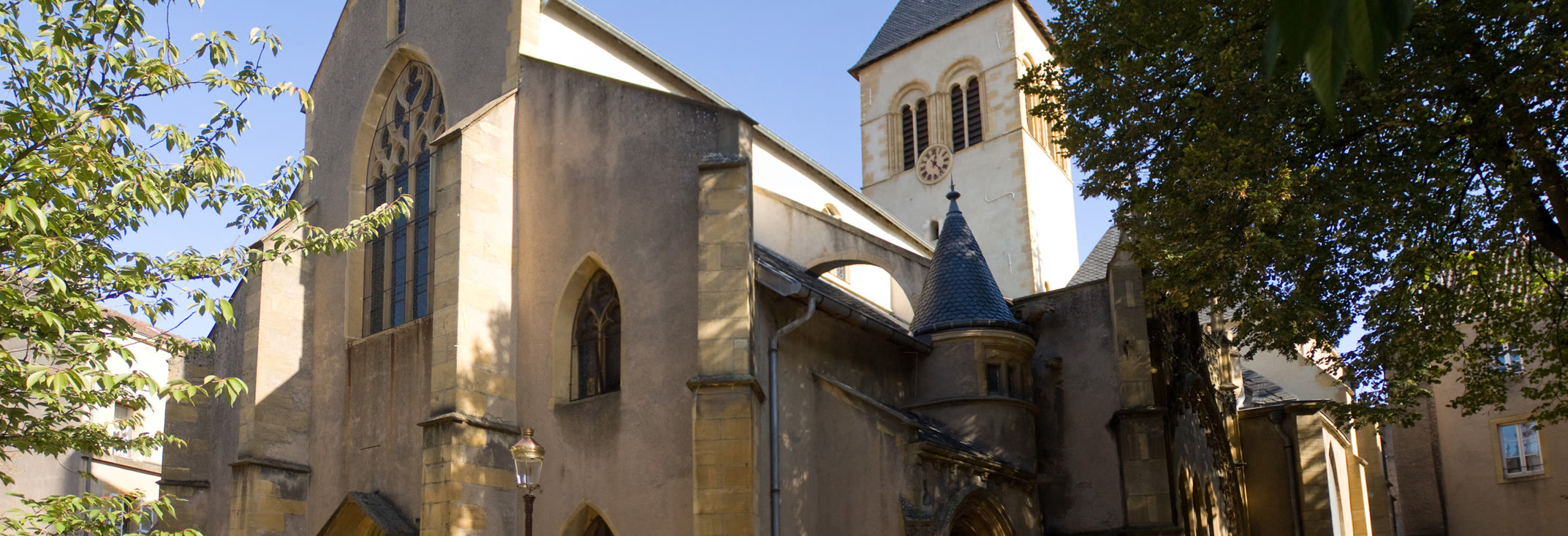
Église Saint-Eucaire de Metz
In the heart of the picturesque Outre-Seille quarter, between rue Saint-Eucaire and rue des Allemands, this church alone tells fifteen centuries of Metz history. Its origins reach back to the 5th century, but the building explored today layers a 12th-century Romanesque bell tower with a flamboyant Gothic nave from the 14th and 15th centuries. Its golden stone, chapels and stained glass form an ensemble of rare warmth. Far from the main tourist flows, Saint-Eucaire appeals to travellers seeking an authentic and peaceful Metz.
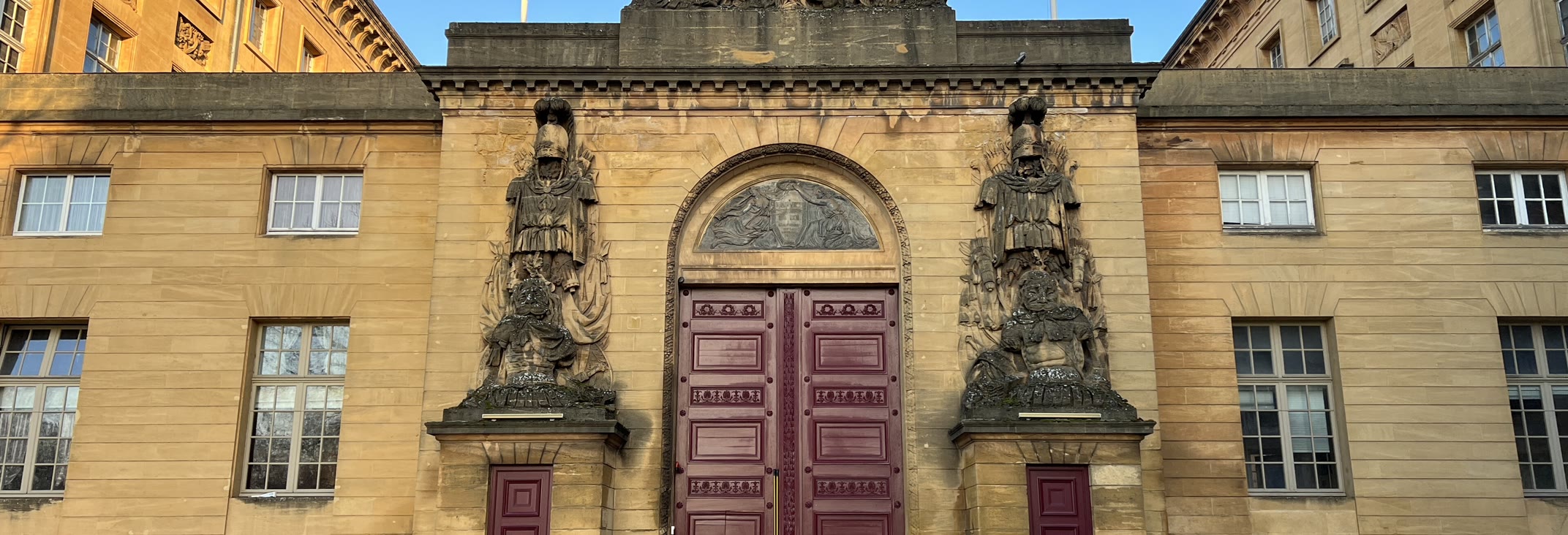
Palais de Justice (Law Courts)
Austere and majestic, the Metz Law Courts occupy the former Palace of the Governor of the province of the Trois-Évêchés. Built in Jaumont stone on the eve of the Revolution, it displays a décor that exalts military power: trophies of arms, war deities, carved allegories. And it was from here, they say, that the young Marquis de Lafayette set out for America in 1775. An official building to admire from the outside, if you look up at its façades.
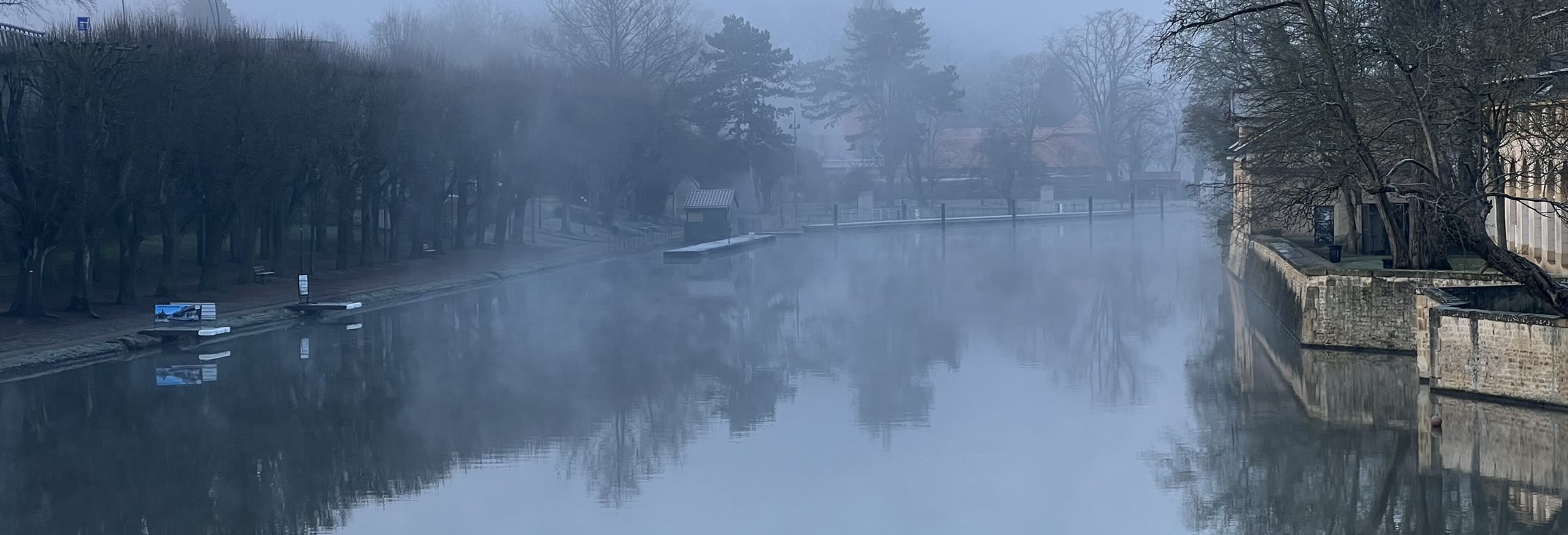
Moyen-Pont and Pont des Morts
To cross the Moselle in Metz is to walk over centuries of history. The Pont des Morts and the Moyen-Pont, which extends it toward the city centre, bear a name that intrigues visitors. It speaks not of tragedy but of a singular medieval custom tied to the Saint-Nicolas hospital. Along the water, the Moyen-Pont still bears the marks of the defences that once sealed off access to the city by river.
Children's playground - Jean-Marie Pelt Gardens - Parc de la Seille
Twenty hectares of nature at the heart of the Amphithéâtre district: Parc de la Seille, renamed Jardins Jean-Marie-Pelt in 2016, blends basins, a reed bed and local crops—vines, a hop garden and mirabelle plum trees. People come to stroll along the Seille, but also to play, cycle or play table tennis. Free to enter all year round, it is the great green lung of southern Metz.
Saint-Pierre Church
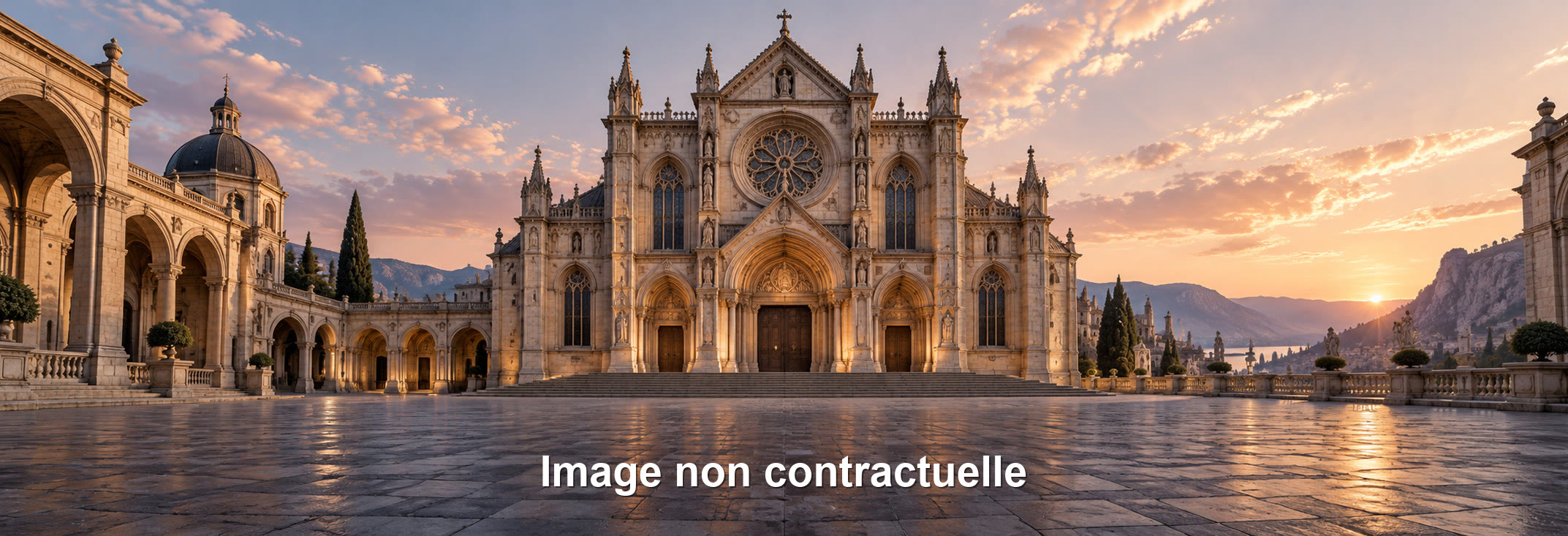
Nicknamed the church "in a wedding dress" for its pale, slender silhouette, Saint-Pierre watches over the Borny district, east of Metz. Raised at the turn of the 1960s on the foundations of the old village church, it is the work of architect Georges-Henri Pingusson. Inside, the coloured light of Jacques Le Chevallier's abstract stained glass turns a sober volume into a vibrant space. A discreet yet remarkable landmark of 20th-century sacred art.
Former Saint-Nicolas Hospital
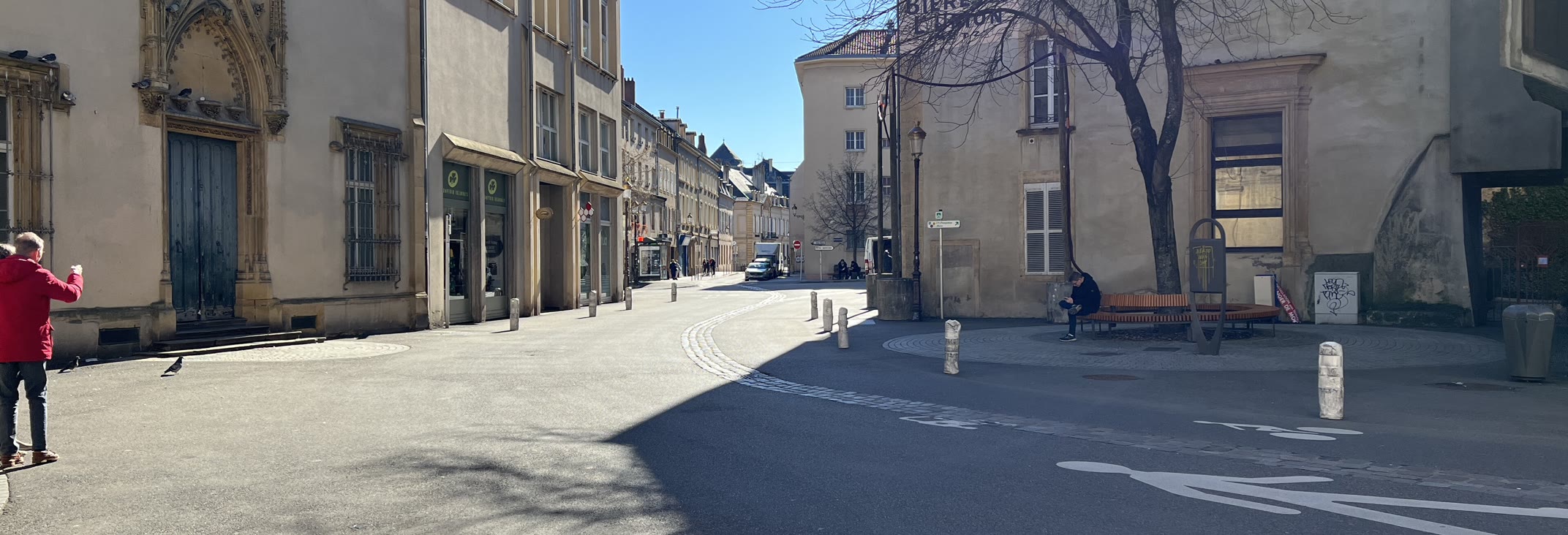
On the Place Saint-Nicolas stands a finely worked stone portal engraved with the date 1514: it is all that remains of Metz's oldest hospital. Founded as far back as the early Middle Ages, this institution cared for and sheltered the neediest for nearly ten centuries, forging the reputation of "charitable Metz". Today this flamboyant Gothic vestige can be admired in passing, like a fragment of memory in the heart of the city.
Metz-Ville Railway Station
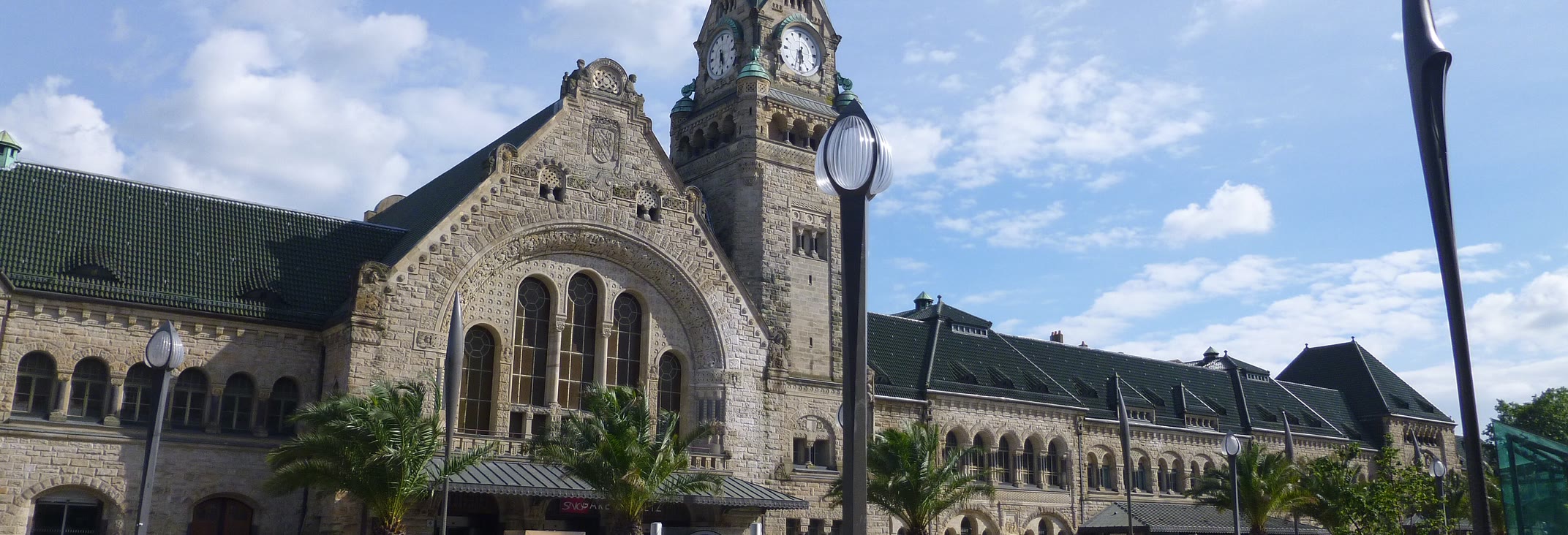
Built around 1908 to designs by the architect Jürgen Kröger, Metz-Ville station welcomes travellers in a monumental Art Nouveau setting, dating from the years when the city was under German rule. It is sometimes called the "station palace": it housed the private apartments reserved for Emperor Wilhelm II. Listed as a Historic Monument since 1975, it also carries the "20th-century Heritage" label.
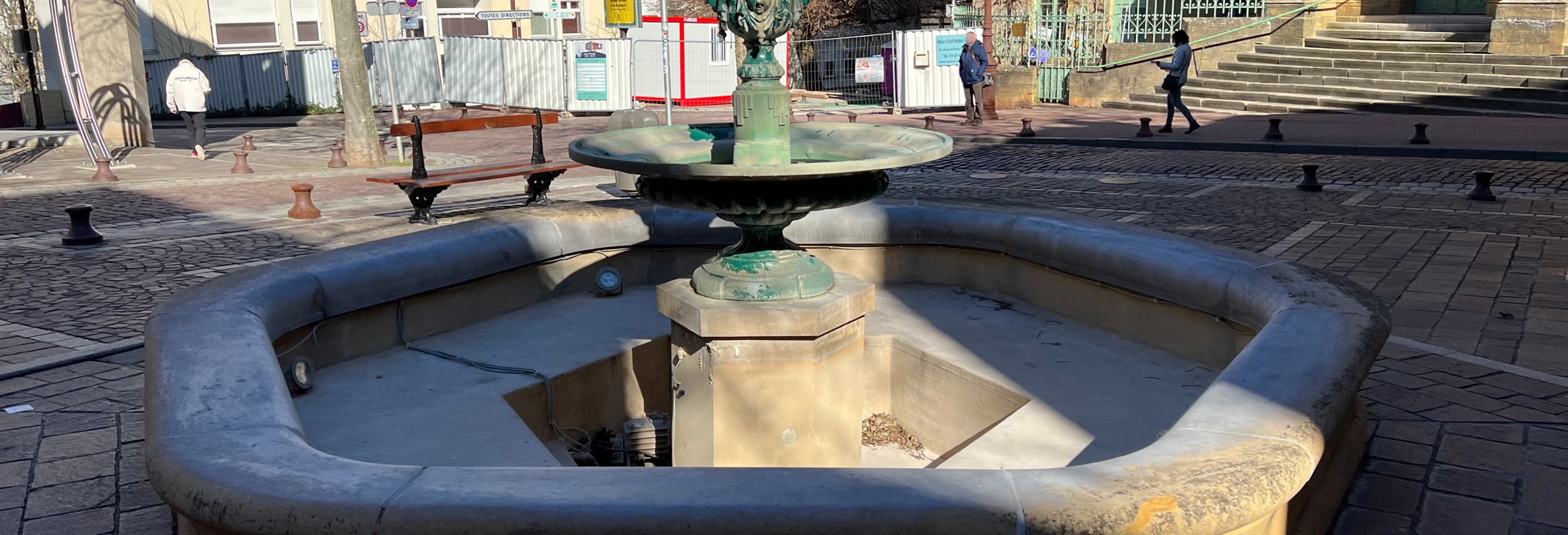
Place Jeanne d'Arc
Perched on the Sainte-Croix hill, Place Jeanne d'Arc is one of the most endearing corners of old Metz. Long known as Place des Quatre-Maisons, it was laid out in 1905 to open up the new façade of Sainte-Ségolène church. Framed too by Les Trinitaires, now a performance venue, it offers a timeless pause away from the bustle.
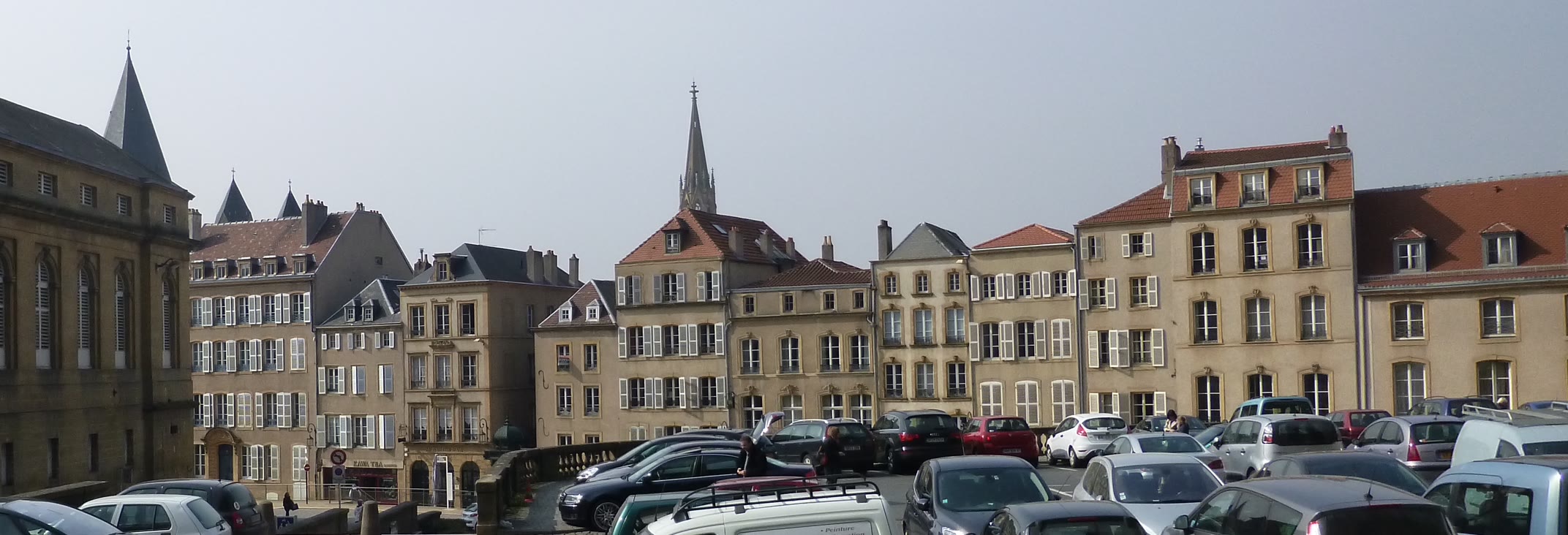
Place de Chambre
At the foot of Saint-Étienne cathedral, Place de Chambre is one of the oldest squares in Metz, and probably the most gourmet. Its name comes from the canons' "chambers" built in the 11th century. Long a market square, then a stage for medieval Mystery plays, it now lines up restaurants and terraces facing "the Good Lord's lantern."
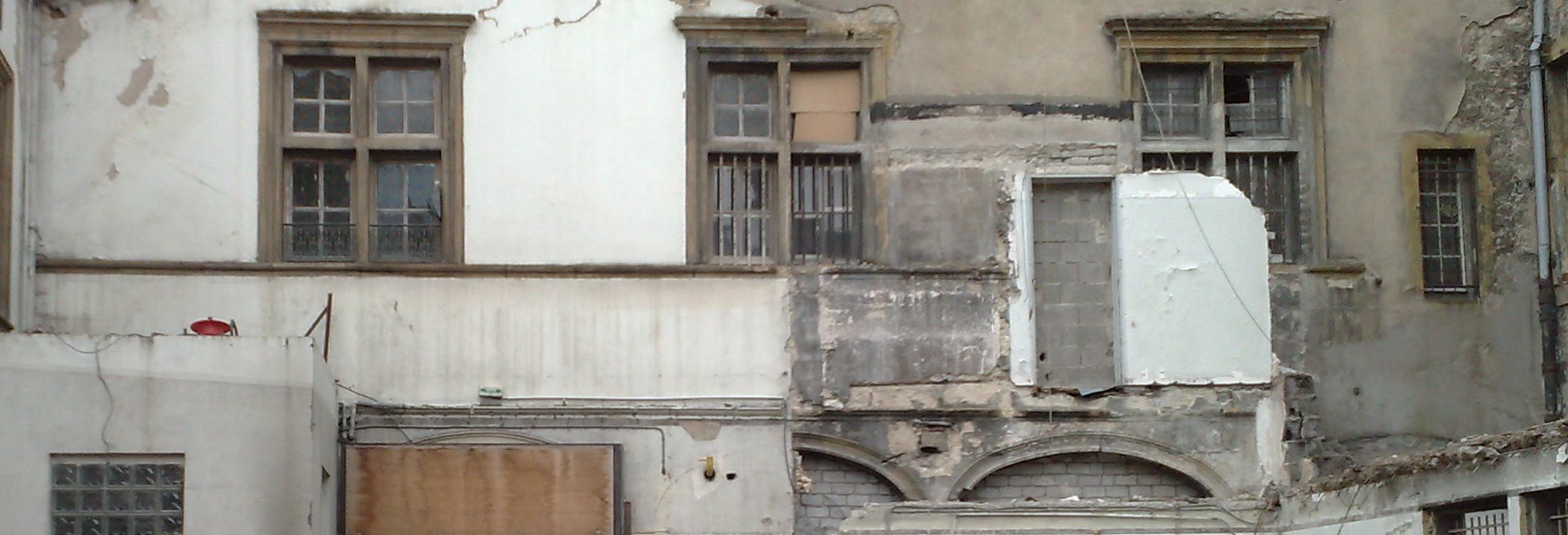
Hôtel de Burtaigne
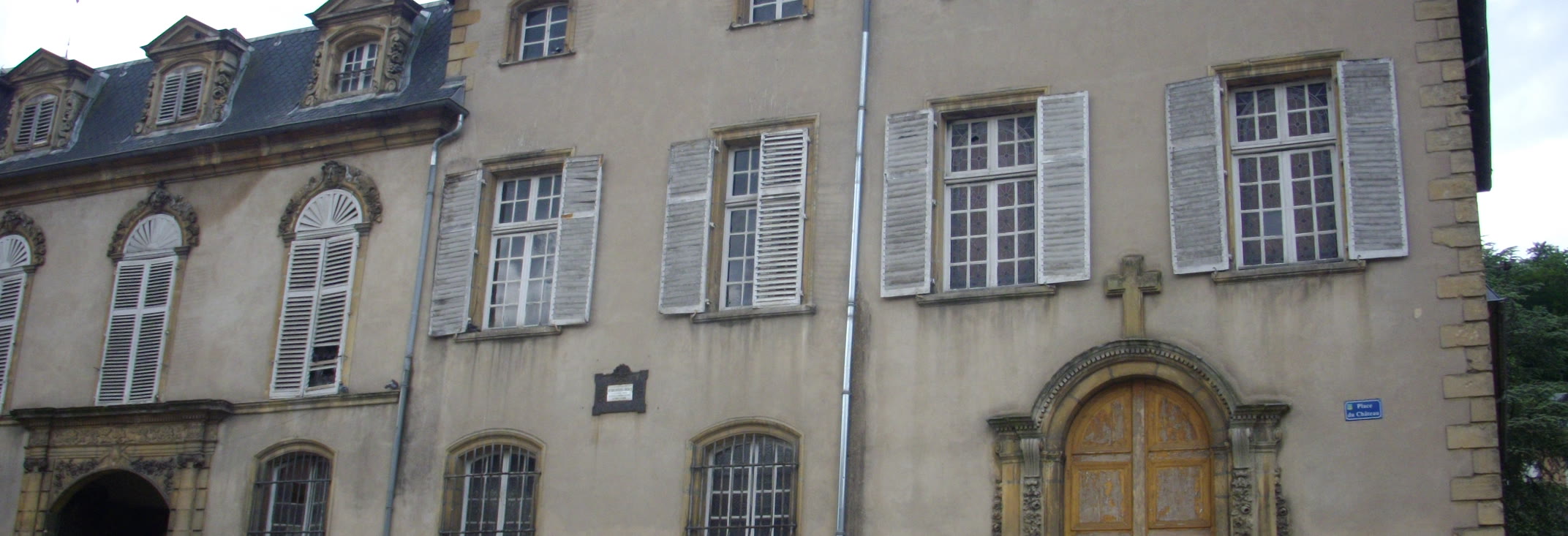
A patrician Renaissance residence, the Hôtel de Burtaigne was raised in the early 16th century by the de Gournay family, one of the paraiges, in the final years of the Messine Republic. The medieval legacy still shows through: a low, diamond-shaped roof set back from the façade, and small dormer windows on the attic floor. Its architecture nonetheless moves away from the Italian model to follow the French Renaissance. It has been listed as a Historic Monument since 2006.
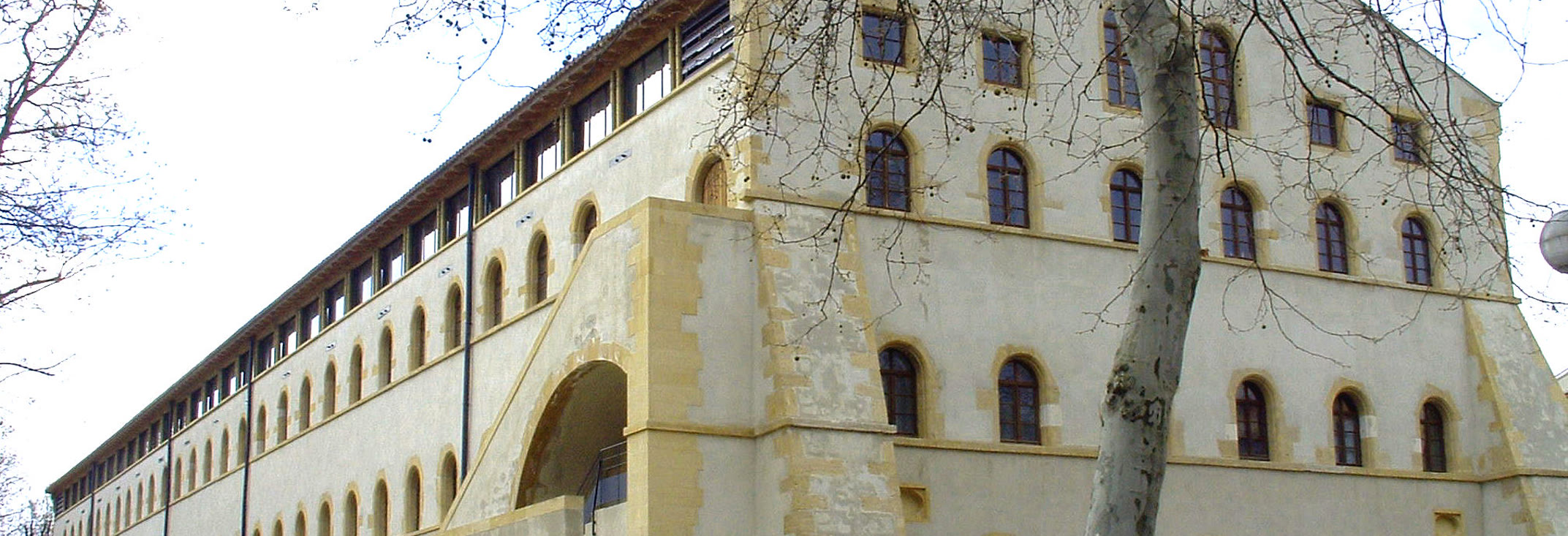
Magasin aux vivres of Metz
After the siege of 1552, when Charles V tried in vain to retake the city, Metz was given a formidable citadel. At the centre of this vast rectangle, a food store was built in 1569 to hold the garrison's reserves: it is the oldest 16th-century military building still intact. The work of Rocco Guerrini, in Renaissance style, it now houses the luxury hotel La Citadelle and the gourmet restaurant La Réserve.
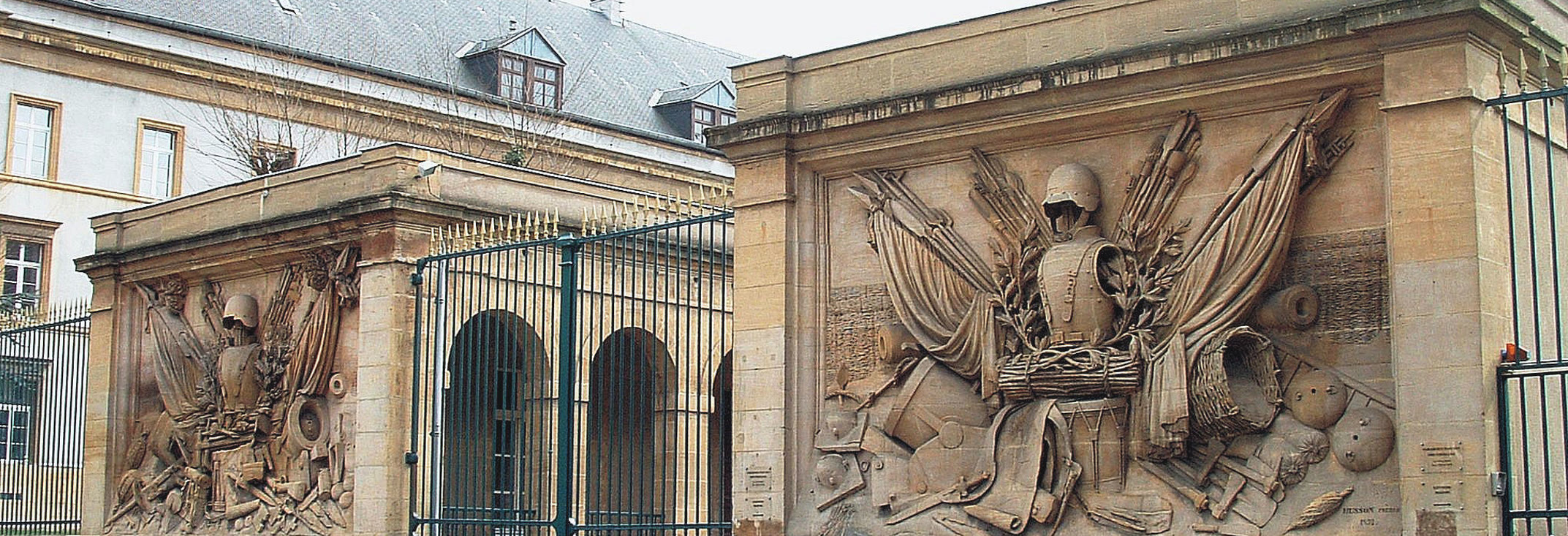
Ney Barracks
Built between 1833 and 1842 by Colonel Firmin-Claude Parnajon, the Ney barracks, also known as the Engineers' barracks, open onto Place de la République, formerly Place Royale. Their U-shaped plan, 170 metres by 95, gives a military presence to the centre of Metz. In 1854, the brothers Antoine and François-Désiré Husson, together with Gustave Hennequin, carved the high-relief trophies of arms that adorn the entrance.
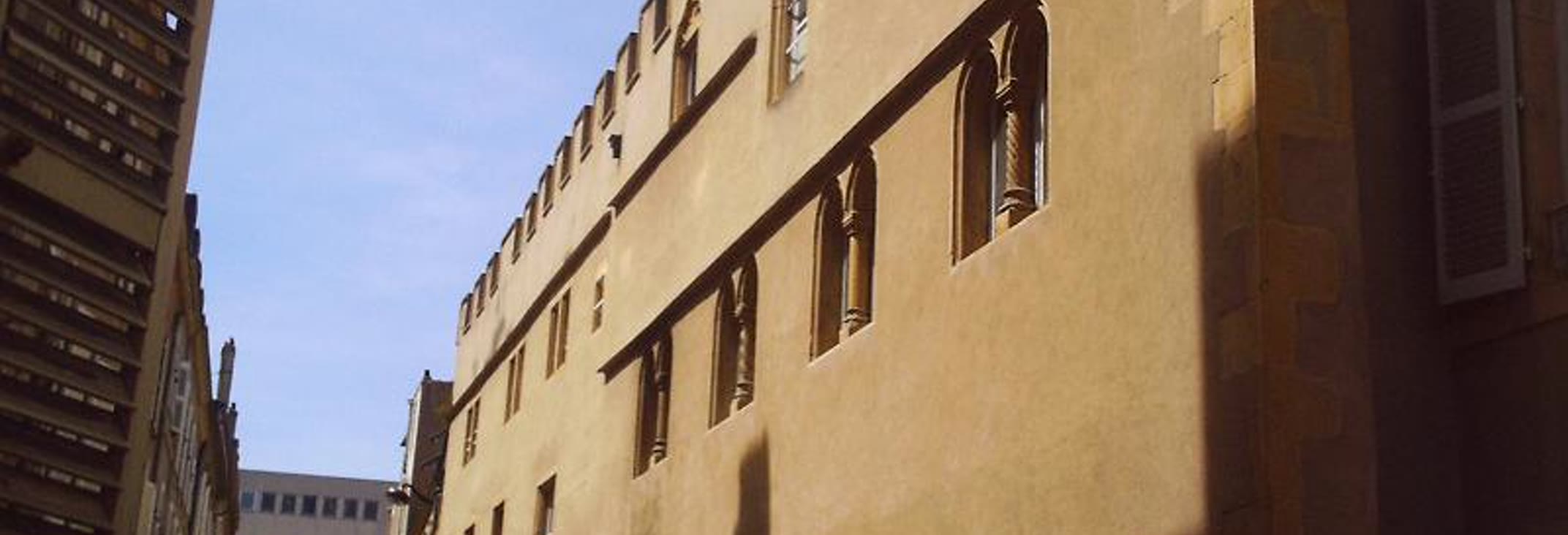
Hôtel de Gargan
In the heart of the Metz-Centre district, on Nexirue, the Hôtel de Gargan is a 15th-century Gothic house, now the Résidence d'Hannoncelles. Its clear Italian Gothic imprint recalls the arrival of Italian bankers in Metz in the 13th century. Built at the turn from late Gothic to the Renaissance, it can be admired from the street.
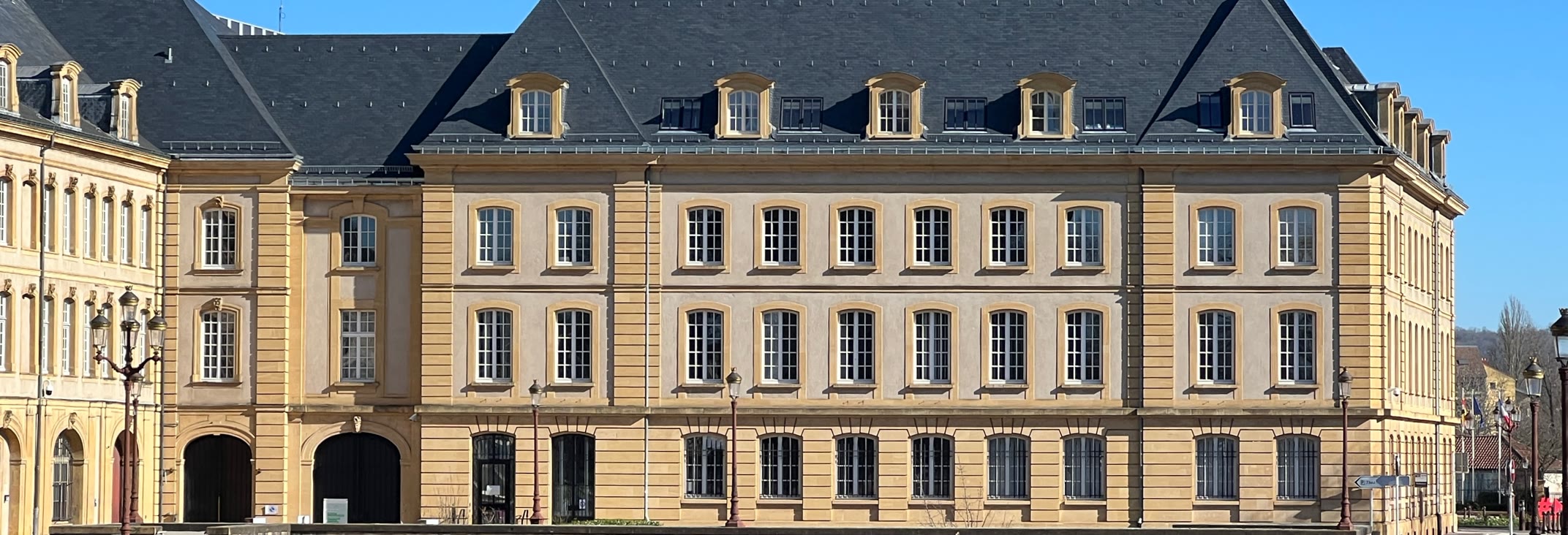
Bridoux University Library
Part of the Université de Lorraine, the Bridoux university library serves the science campus of the same name, east of Metz. Specialising in applied sciences, it welcomes students and staff in a human-scaled study space. It is a place of work rather than a tourist sight, but worth knowing for anyone staying near the campus.
Place de la Comédie
An elegant classical square laid out between 1738 and 1752, Place de la Comédie is arranged around the Opéra-Théâtre, the oldest opera house still in use in France. Beside it stands the Temple Neuf, a neo-Romanesque Rhenish Protestant church built from 1901 to 1904 by the architect Wahn, on the site of the former Jardin d'Amour and inspired by Speyer Cathedral. In the evening, its illuminated apse is mirrored in the Moselle, a particularly romantic sight.
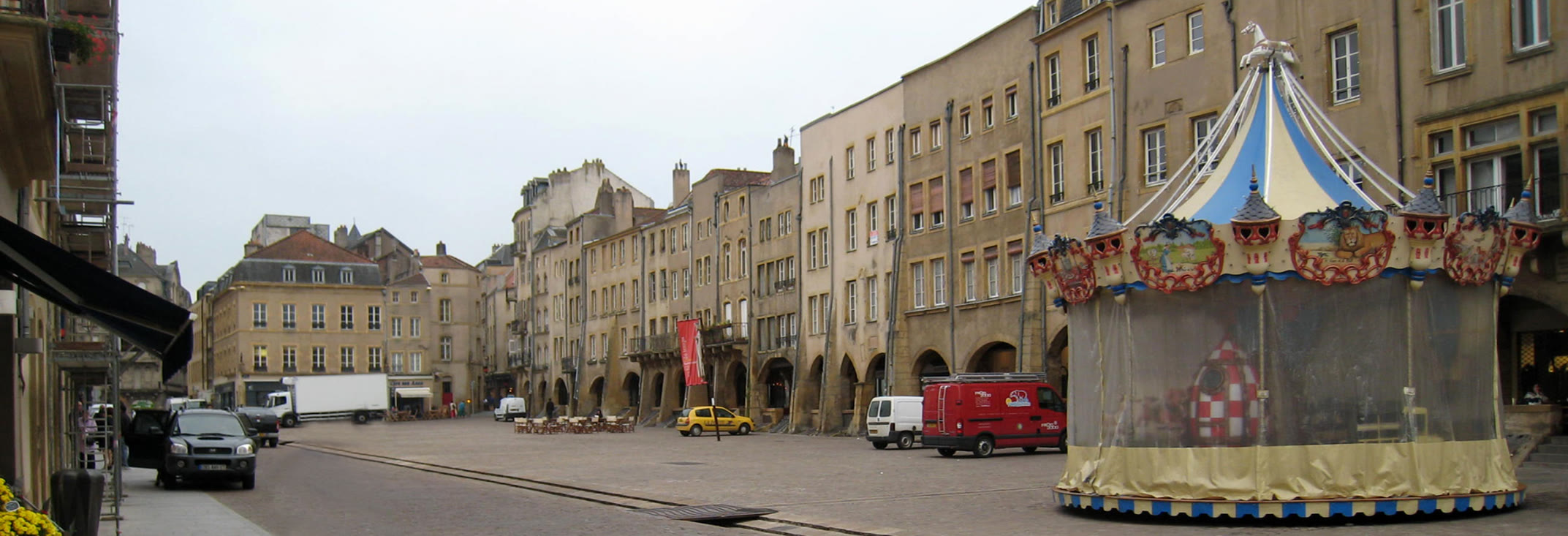
Place Saint-Louis
Born in the 13th century, Place Saint-Louis occupies a former district once crossed by the Seille River and worked by money changers. Its tightly packed rows of houses give it a distinctly southern feel. This singular appearance, echoing the squares and monuments of the Italian republics, even lends it a Sienese allure.
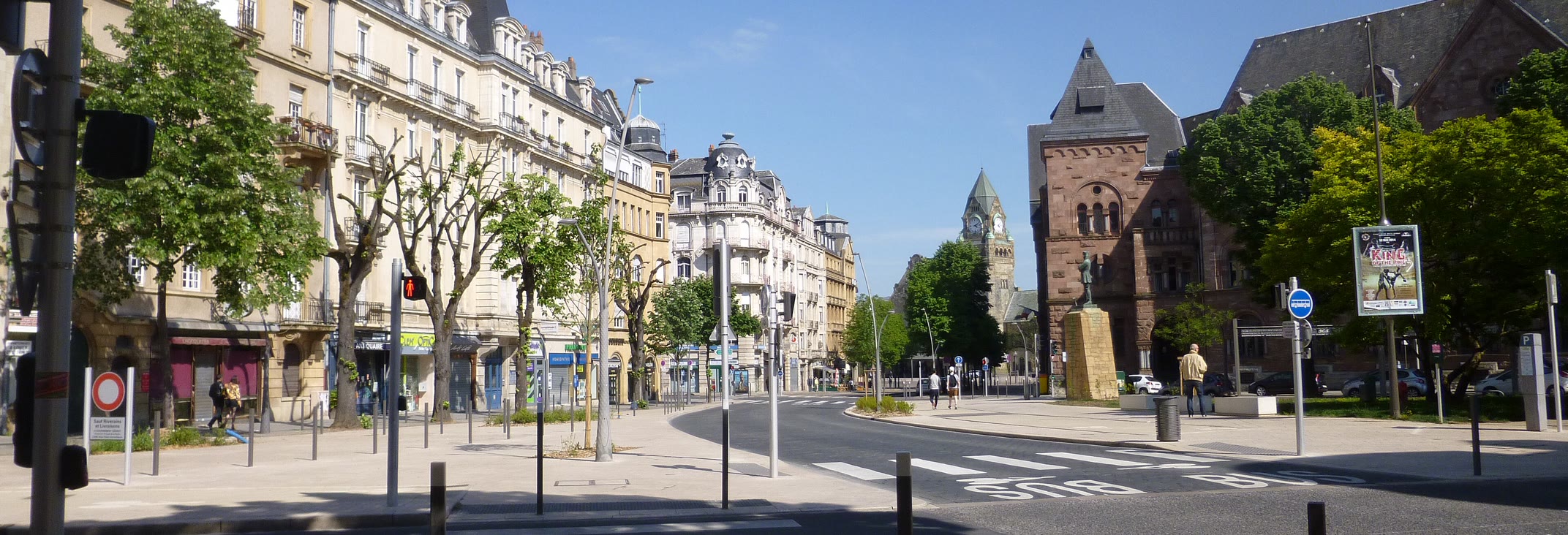
Imperial Quarter of Metz
The Imperial Quarter is a historic district of Metz laid out by the German authorities during the annexation of Alsace-Lorraine, between 1902 and 1914. Originally named "Neue Stadt", the new town, it bears the imprint of the Wilhelmine Empire. Today it is shared between the administrative districts of Nouvelle Ville and Metz-Centre.
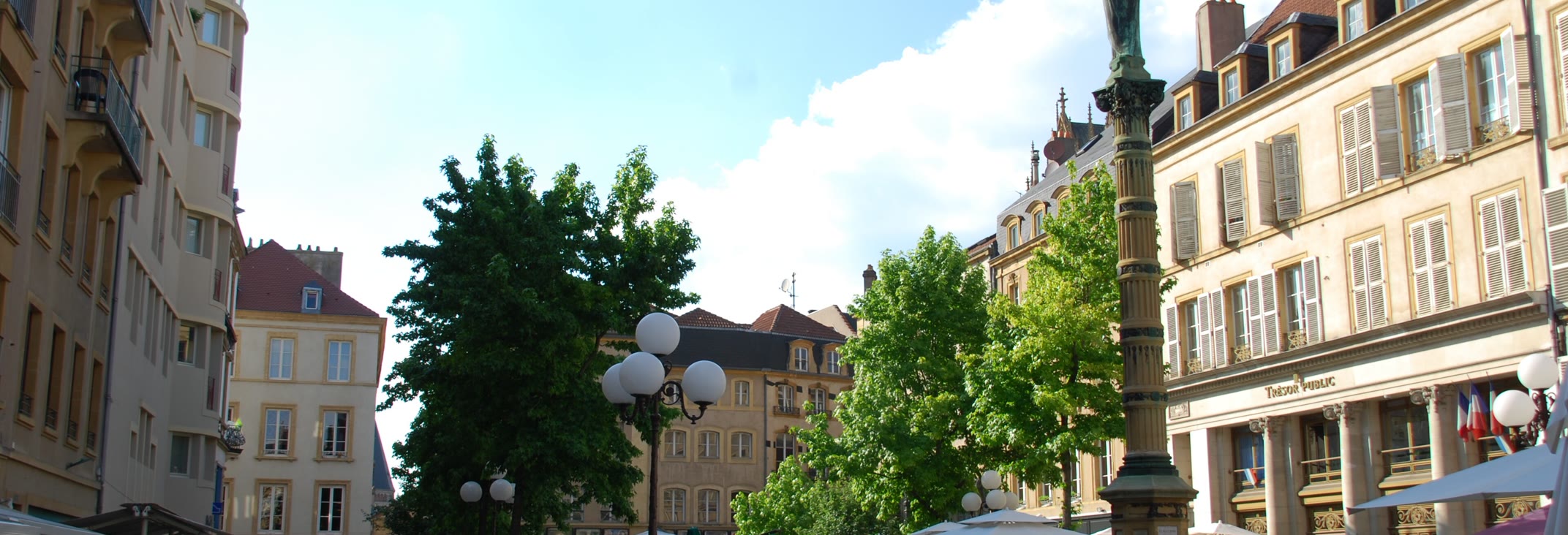
Place Saint-Jacques
In the heart of the historic, pedestrian centre of Metz, Place Saint-Jacques stretches between Rue Fabert and Rue Ladoucette, close to Place d'Armes and the cathedral. It faces the Centre Saint-Jacques, a three-storey shopping mall opened in 1976. It is one of the city's lively meeting points.
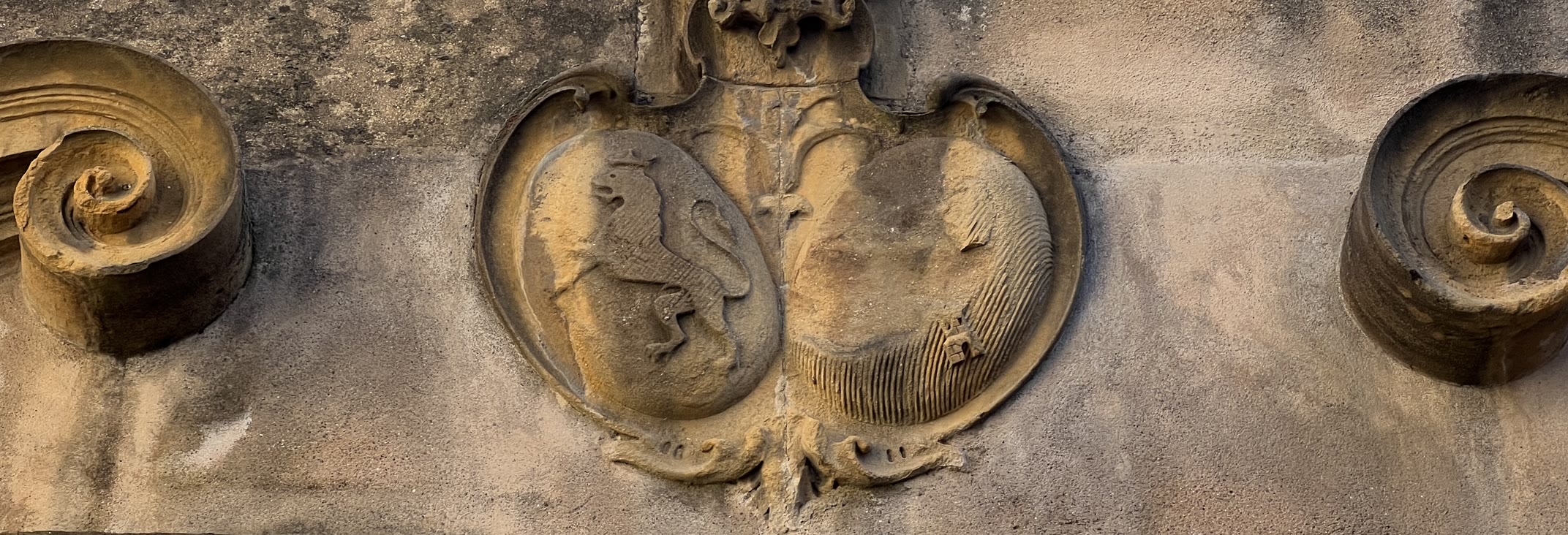
Hôtel Saint-Livier
At 1 Rue des Trinitaires, the Hôtel Saint-Livier is the oldest civil building in Metz. Dating from the late 12th or early 13th century, it was both a defensive castle and a luxurious residence, two faces brought together in a single house. It is listed as a Historic Monument.
Musées
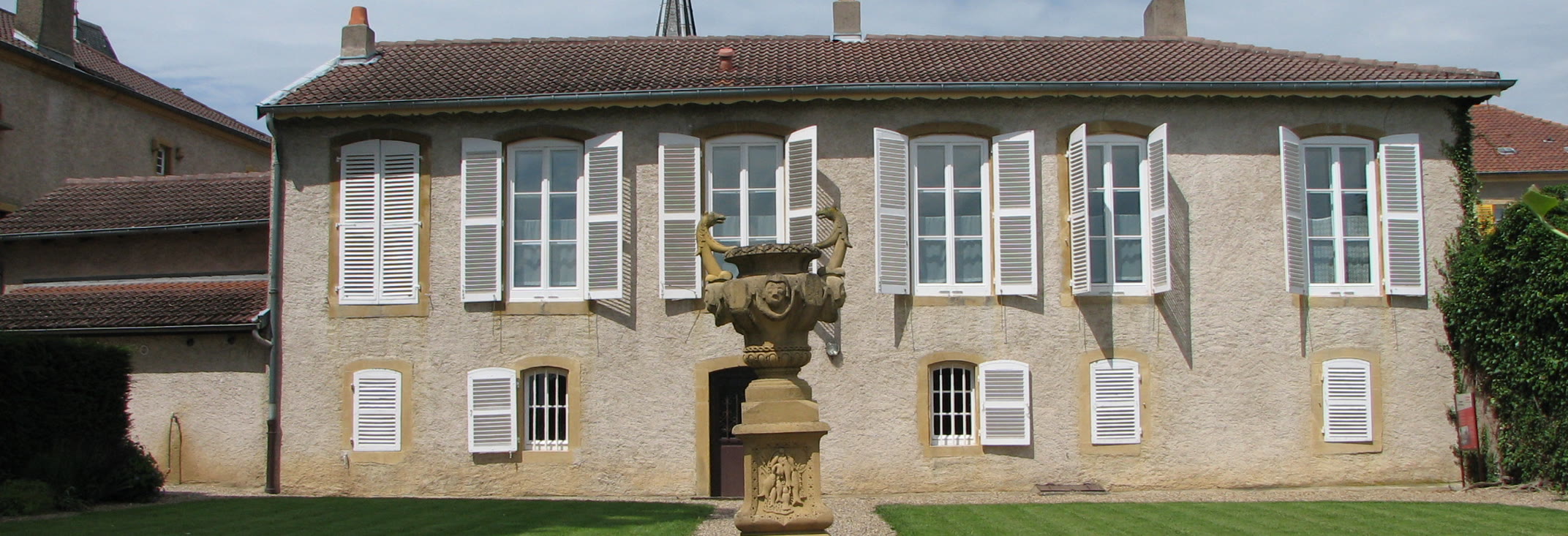
Robert Schuman's House
On the slopes of Mont Saint-Quentin, in the village of Scy-Chazelles at the gates of Metz, stands the house Robert Schuman bought in 1926 and lived in until his death in 1963. Foreign minister and author of the declaration of 9 May 1950, this 'father of Europe' left behind a Lorraine home that is now a departmental museum, beside the fortified church where he is buried.
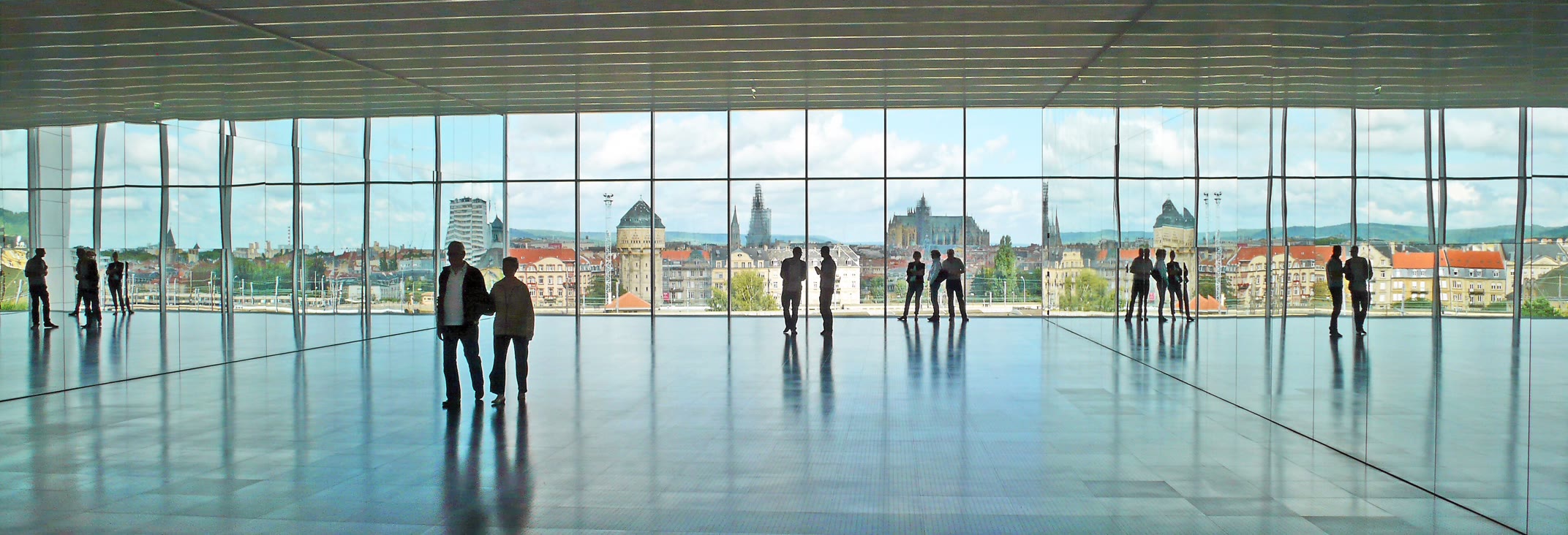
Centre Pompidou-Metz
The first decentralised outpost of a national cultural institution in France, the Centre Pompidou-Metz has become a beacon of modern and contemporary art in the Grand Est region. Set in the Amphithéâtre district, a short walk from the railway station, it is recognisable from afar by its great undulating timber roof. Inside, it holds no permanent collection of its own: it draws on the holdings of the Musée national d'art moderne to stage, each year, some of the country's most ambitious temporary exhibitions.
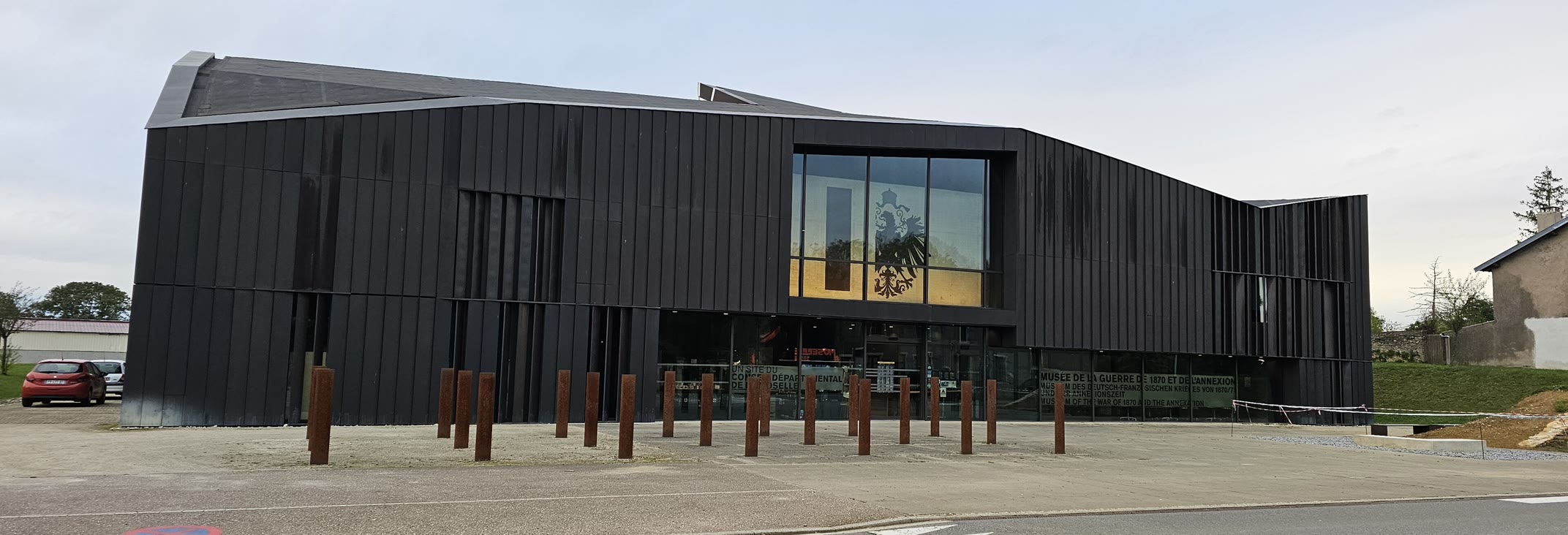
Museum of the War of 1870 and the Annexation
At Gravelotte, about a dozen kilometres west of Metz, on the very ground of the deadly fighting of August 1870, this departmental museum tells the story of the Franco-German war of 1870 and its aftermath: the annexation of Alsace and Moselle to the German Empire from 1871 to 1918. Housed in a contemporary building opened in 2014, it is Europe's only museum entirely devoted to this chapter of history, through both French and German collections.
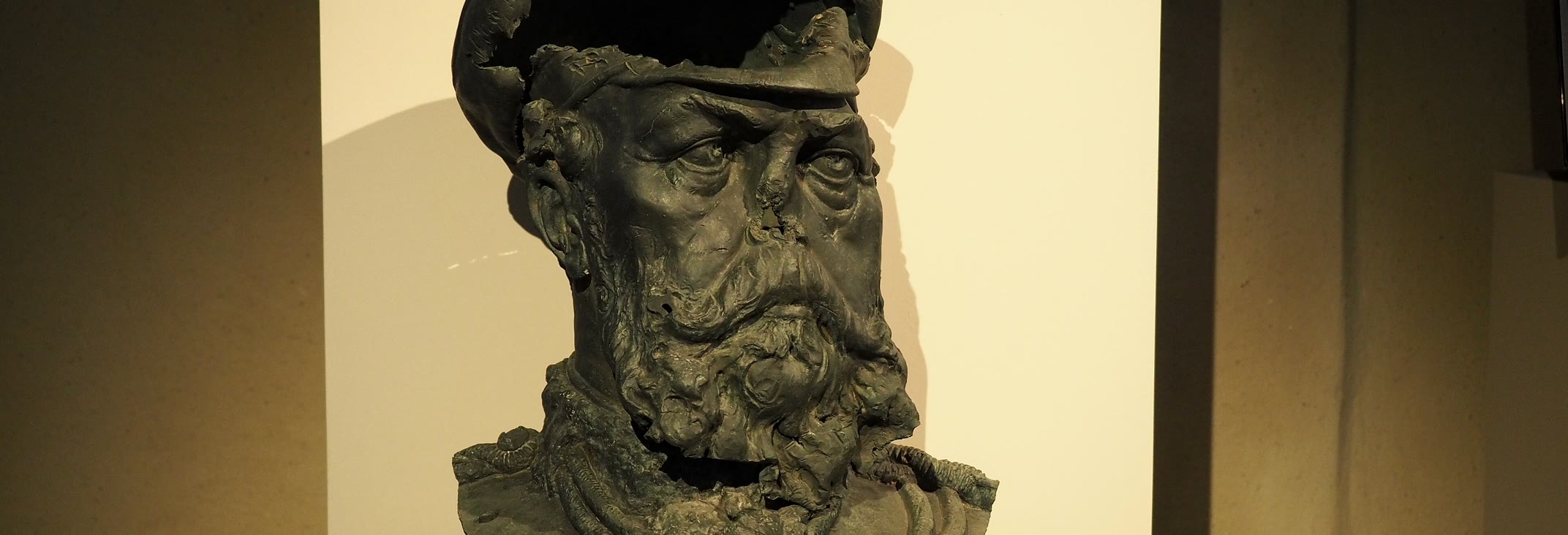
Musée de la Cour d'Or
In the heart of old Metz, the La Cour d'Or Museum is one of the city's great museums of art and history. Founded in 1839, it takes its name from the palace of the kings of Austrasia said to have stood here. Visitors wind through a maze of rooms linking several old buildings, from Gallo-Roman collections to medieval art and fine arts. A rich, sprawling place to explore at leisure.
Cathedral Treasury
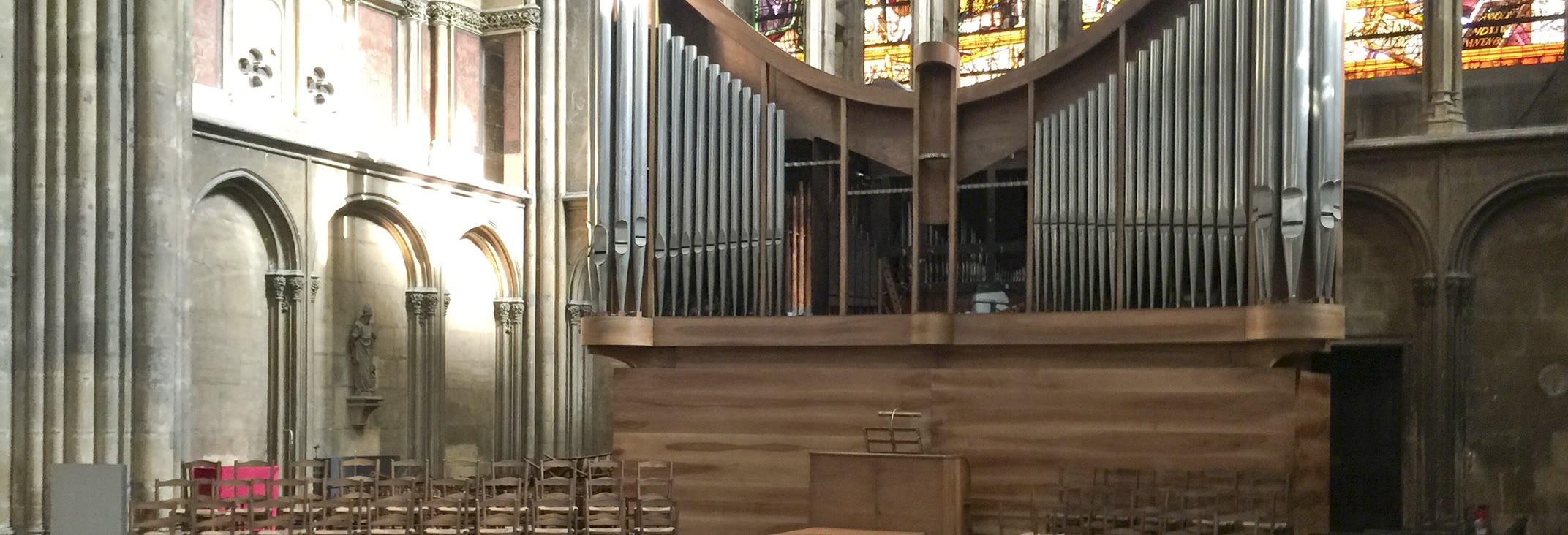
Tucked within Saint-Étienne Cathedral, one of the tallest Gothic naves in France, the treasury gathers the sacred art the building has kept over the centuries. Goldwork, ivories, liturgical ornaments and relics tell the long religious story of Metz. A recommended stop to extend a cathedral visit with a more intimate look, up close to objects that accompanied a thousand years of devotion.
Nathan Chiche
In Vantoux, a few kilometres from Metz, Galerie Nathan Chiche made a bold choice: to occupy a former school designed by architect Jean Prouvé. The listed building becomes the setting for a contemporary art in dialogue with architecture. Each season, an invited artist unfolds their work among the portholes, bays and original furniture. A singular address where the artistic gesture answers Prouvé's constructive genius.
Arsenal Jean-Marie Rausch Exhibition Gallery
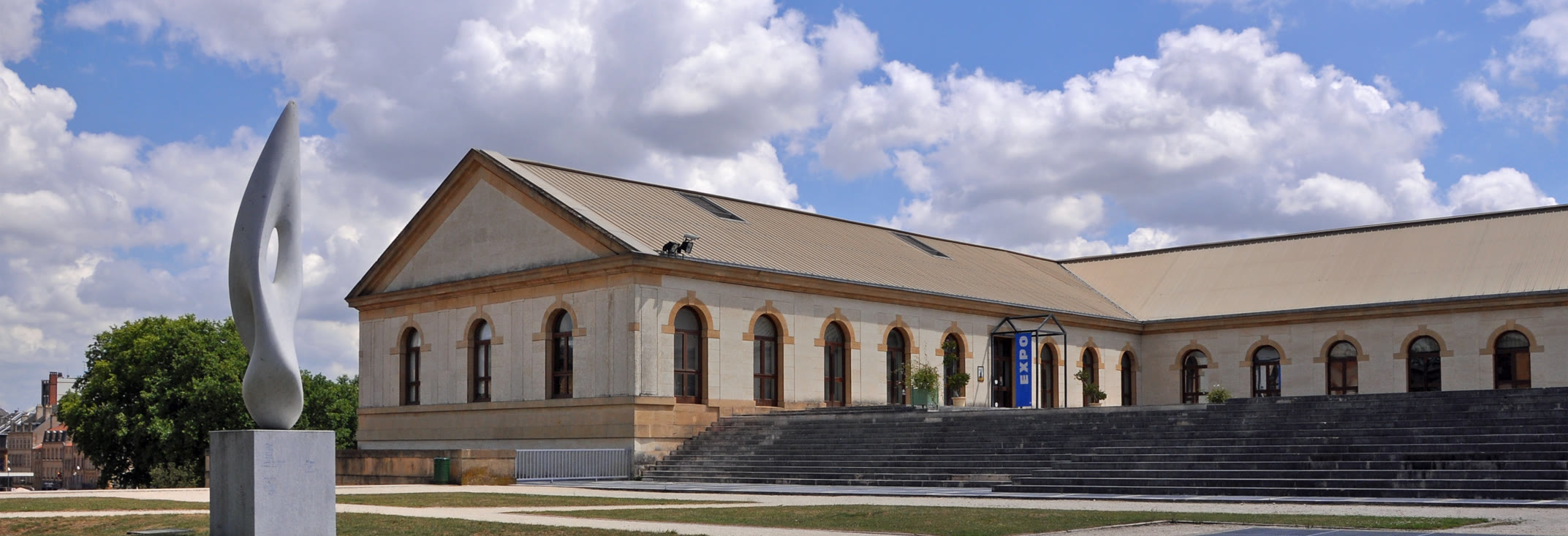
At the Arsenal, Metz's grand concert hall, a gallery devotes itself entirely to photography. One of the few venues in the city dedicated to the medium, it stages five or six exhibitions each season that explore all its facets: emerging French and international talents, artists who bend the image, close-to-life photojournalism and reflective retrospectives. A date to mark for anyone who loves a lens that tells stories.
Frac Lorraine
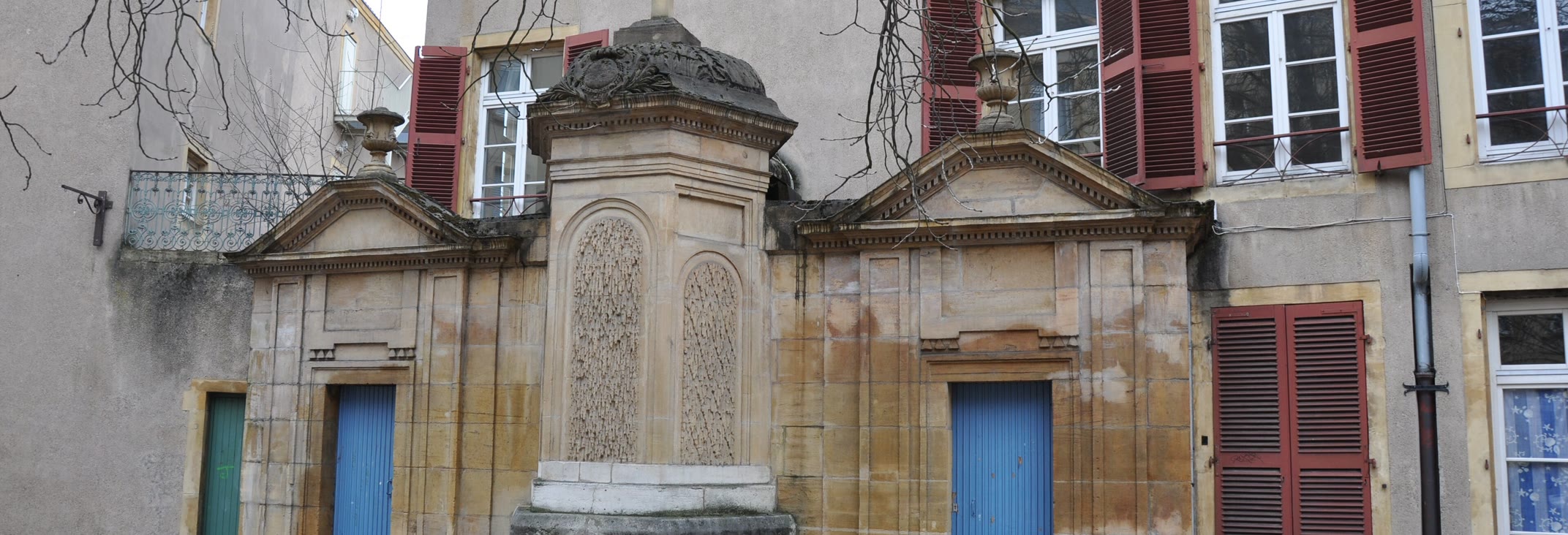
The Frac Lorraine, also known as 49 Nord 6 Est, builds and shares a public collection of contemporary art on a regional scale. Nomadic when it was founded in 1983, it settled in 2004 into a setting that contrasts with the works it holds: the Hôtel Saint-Livier, one of the oldest private mansions in Metz. Its mission? To show and circulate today's creation, far beyond its own walls.
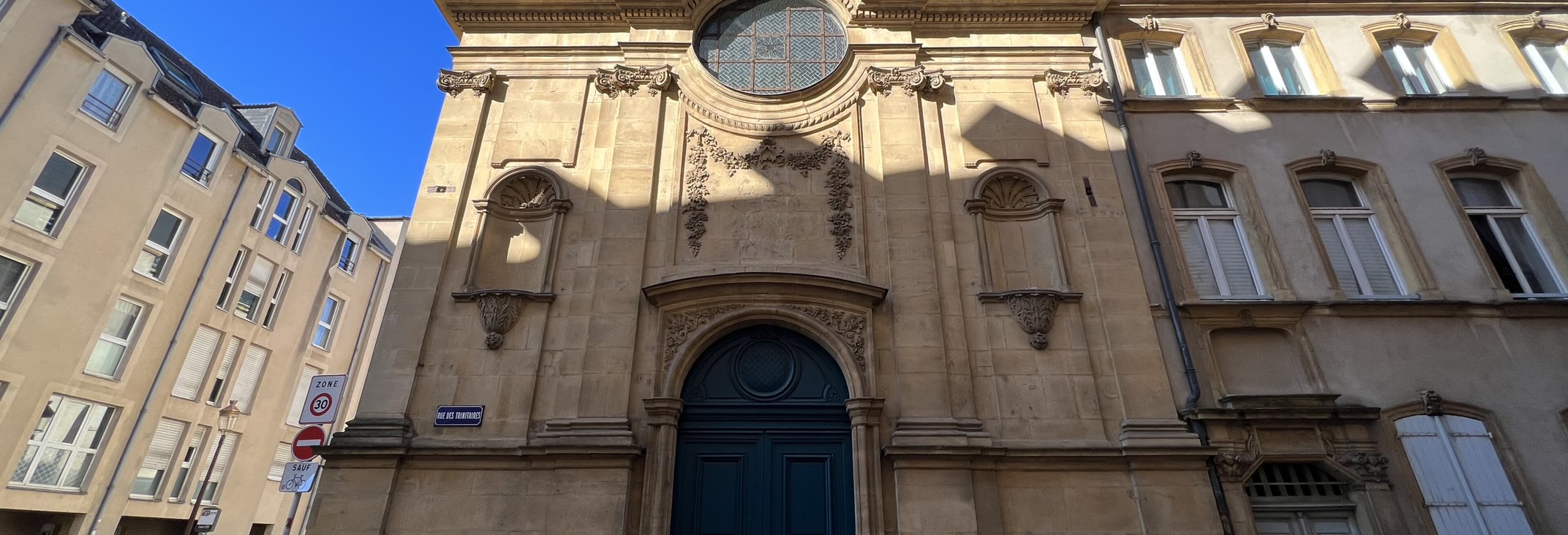
Exhibition Gallery of the Église des Trinitaires
In the historic heart of Metz, the former Trinitaires church has traded worship for art. Reworked by the city, it hosts temporary exhibitions throughout the year beneath old vaults and stone. Sitting beside the Musée de la Cour d'Or, this heritage setting gives contemporary shows an unusual backdrop, where the building itself converses with the works on display.
L'Œuvre de Jaumont
At Malancourt-la-Montagne, north-west of Metz, this museum has settled beside the quarries where the famous Jaumont stone has been extracted for centuries, the golden rock that gives the cathedral and the city's façades their honeyed hue. Here you discover the monumental work of sculptor Antoine Dyduch, carved from that sun-coloured stone. It is a quiet, out-of-the-way place, open seasonally, and one that takes a little effort to reach.
Modulab
Set on rue Mazelle, Modulab is a two-in-one venue: a contemporary art gallery and an etching workshop under the same roof. Created in 2011 by the MYART association, it hosts emerging artists and collectives, French and foreign, around drawing, installation, printmaking and the multiple. A lively place where you can watch both exhibitions and images being made.
Octave Cowbell Gallery
Discreet but tenacious, the Octave Cowbell gallery is one of the most endearing addresses on Metz's contemporary art scene. Run by a nonprofit since 2004, it shows emerging artists in a tiny space you almost enter through the shop window. An intimate format that invites you to look closely, without fuss, and to chat with the artists passing through.
"Moselle at War 1939-45" Documentation Centre and Museum (ASCOMEMO)
Devoted to a little-known chapter of French history, this venue run by the ASCOMEMO association combines a museum and a documentation centre on the Moselle during the Second World War. The department, effectively annexed by the Third Reich, went through a singular ordeal: forced Germanisation, forced conscription, expulsions. Objects, archives and testimonies recount, piece by piece, the daily life of the people of the Moselle between 1939 and 1945.
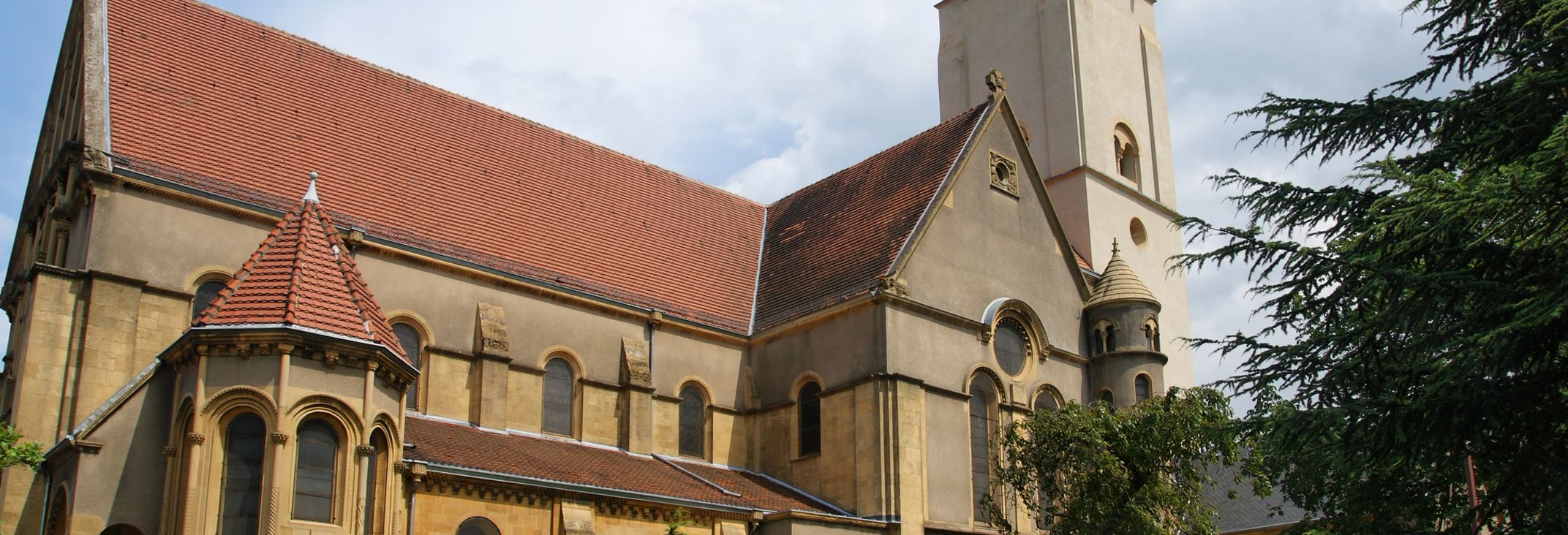
The Synagogue
A place of worship and remembrance for the Jewish community of Metz, the great consistorial synagogue is a landmark of the city's religious heritage. Built in the mid-19th century in Neo-Romanesque style, it recalls the age and importance of Jewish presence in Lorraine. For anyone interested in the history of places of worship and in local traditions, it is well worth a look — with respect for a site still in use.
Saint-Marcel House of Culture and Leisure (MJC)
The Maison de la culture et des loisirs (MCL) of Metz, on rue Saint-Marcel, is one of the very first MJCs created in France. True to the spirit of popular education, it offers residents of all ages a wide range of activities — arts, music, languages, theatre, dance, wellbeing — and houses its own gallery, the Raymond Banas gallery. A neighbourhood hub rather than a tourist site, alive all year round.
Art-Mu
On the edge of Metz, in Montigny-lès-Metz, Art-Mu is an association of visual artists focused on the transformation of matter. Its guiding idea: to recycle, transform and elevate so-called 'non-noble' materials, giving them a second, often finer life. More than a place to visit daily, it is a collective that shows itself through salons and exhibitions, to be discovered as its programme unfolds.
0.15 Essais Dynamiques
Opened in 2017 on the Île du Saulcy, at the heart of the Metz campus of the University of Lorraine, the gallery 0.15 // Essais Dynamiques is a space devoted to emerging creation. It shows university artistic production as well as young local, national and international scenes. At once an exhibition, teaching and research venue, it is an address for anyone wanting to take the pulse of a scene still finding itself, free of charge and on weekdays.
Galerie PJ
In Metz, on rue des Jardins, Galerie PJ was born from the meeting of Pierre and Jisun, a French-Korean couple brought together by a shared passion for art. They conceived the space as a place to discover contemporary creation, where French, Korean, American and European artists cross paths. More than a shop, the gallery sees itself as a meeting point between artists, collectors and the public. To be discovered Wednesday to Saturday afternoons.
L'Atelier Chimérique
Behind its dreamlike name, L'Atelier Chimérique is an engraving studio and exhibition space run by artist-engraver Latifa Bermès, in old Metz. Here you discover her prints, monotypes, inks and paintings, born of age-old intaglio techniques revisited with a contemporary eye. A quiet, sensitive address for anyone who likes to approach the printed image where it is made.
Flickinger
On rue des Jardins, in central Metz, Galerie Flickinger is closely tied to the artist Paul Flickinger, one of the recognised figures of the regional scene. Here you discover work blending painting, sculpture and design, nourished by the great masters and by literature. The gallery renews its displays over time: it is best to check the current exhibition before stepping in.
Au Pastel
In the heart of old Metz, on rue Taison, Au Pastel is not quite a gallery like the others: it is first a picture-framing workshop, paired with a space selling engravings. People step in to have a work framed, to choose a signed print, or simply to browse the frames and impressions. A craftsman's address on a human scale, open Tuesday to Saturday.
Exhibition Gallery of the Récollets Cloister
At the Récollets Cloister, a former medieval convent now home to Metz's municipal archives, a room hosts occasional exhibitions. You come across them as the programme allows, in a heritage setting of rare calm, a stone's throw from the historic centre. Under the galleries and among the old walls, the city's history surfaces at every step: the place is worth the visit in itself.
Laboratoire d'Expression Élastique
On rue Saint-Eucaire, in the old Allemands district, the Laboratoire d'Expression Élastique — also known as Le Leé — has a name as supple as its approach. This not-for-profit venue sees itself as a space for experiment and expression: at times a residency for projects under way, at times a temporary gallery to show them. You come as the programme allows, curious to see creation in the making.
Metz-Queuleu Cultural Centre
In the heart of the Plantières-Queuleu district, east of Metz, the Metz-Queuleu Cultural Centre is a community facility on Rue des Trois Évêchés. In a 1960s building, it keeps neighbourhood culture and leisure alive through a rich array of workshops and activities open to locals and visitors alike. A good address to know if you're staying on the east side of town.
Sainte-Croix des Arts Studio
Tucked away on rue des Écoles, in one of the historic districts of central Metz, the Atelier Sainte-Croix des Arts is one of those low-key addresses you discover as you wander the lanes. At once a studio and a gallery, it brings together artists in permanent residence and opens its doors to the public. You step inside to see the works, but also to get close to a truly living place of creation.
La Fabrique
In Metz, La Fabrique is an arts centre devoted to practice and learning. More than an exhibition space, it is a place of creation where you come to train and practise a discipline: dance, singing, theatre, writing or creative arts. Open to all ages and levels, it welcomes curious beginners as much as enthusiasts who want to go further.
Marly Music Conservatory
In Marly, a town bordering Metz, the municipal conservatoire is above all a place of learning: it teaches music and dance to children and adults alike, from early years at age 4 to playing in an orchestra. It is not a tourist site to visit, but an address to know for a sense of local musical life, especially during recitals, concerts and open days.
Maison de la Terre de Gorze
In the village of Gorze, southwest of Metz, the Maison de la Terre—also known as the Maison de l'Histoire de la Terre de Gorze—retraces the long past of this Lorraine village, from prehistory to modern times. Founded within the Lorraine Regional Nature Park, this human-scale museum draws on the legacy of the powerful Gorze abbey to tell the story of the land, its landscapes and its people.
Cridart
A short walk from the centre of Metz, on rue d'Enfer, Cridart describes itself as an atypical gallery that champions every kind of talent. Across more than 300 m², it gathers painters, ceramicists, engravers and sculptors from varied backgrounds. You come to wander among the works, let yourself be surprised and, often, chat with the people who keep the place alive.
Walygator Parc Museum
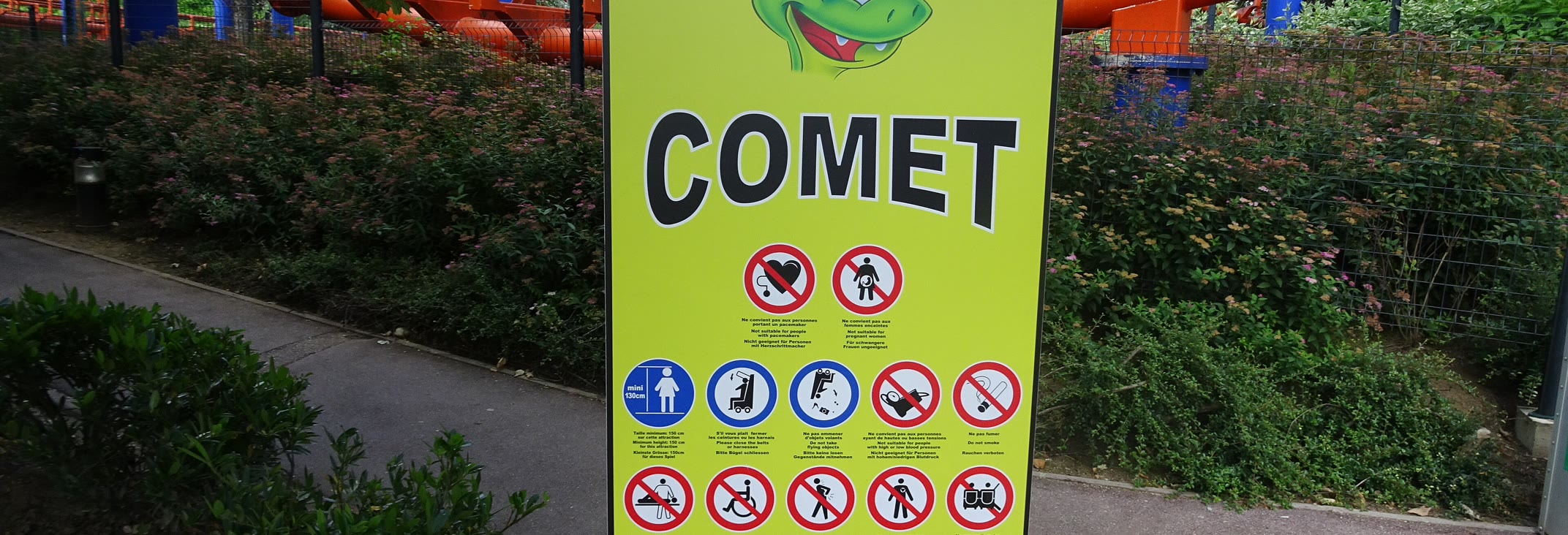
A few kilometres north of Metz, at Maizières-lès-Metz, Walygator Parc is the area's big amusement park. Roller coasters, thrill rides, attractions for the youngest and themed worlds: it is a destination designed for a full day out with family or friends. An easy, playful getaway to combine with a stay in Metz.
Les Frigos
At the foot of the Porte des Allemands, on the banks of the Seille, Les Frigos has found a surprising second life: former military cold-storage warehouses turned into a cultural, social and festive third place. Concerts, DJ sets, solidarity markets, bars and a large terrace: as soon as the fine weather arrives, the place comes alive as a cultural guinguette. An atypical Metz address, at once popular and committed.
Art Mazell
Tucked into Metz's historic quarter, the Art'Mazell gallery is the studio-gallery of artist Pierre Morette. Here you discover his paintings, drawings and posters, shown where they are made. A craftsman-scale address you step into to wander among the works and, often, to meet their maker — a chance for direct conversation few galleries still offer.
MJC Metz-Sud
MJC Metz-Sud is a youth and culture centre on Rue du XXe Corps Américain, in the south of the city. Built in the late 1970s, it brings culture and leisure close to local residents. Like any MJC, it's a friendly community facility geared to hands-on activities and social ties, open to all ages.
L'Atelier de Charles
On the edge of Metz, in Moulins-lès-Metz, L'Atelier de Charles is a versatile venue that defies labels. It houses an equipped photo studio, an event and meeting space, and a training centre for image professions. Depending on the moment, the place may also host exhibitions. An address to know around photography rather than a museum to visit: it's best to find out what's on before you come.
La Bottega
In the heart of Metz, on rue Taison, La Bottega is not a gallery like any other: it is first and foremost an engraving studio, where intaglio and relief printing are practised. Several resident artists create, exhibit and welcome visitors here. You step inside to see the work up close and, sometimes, to catch the smell of ink.
Le Nec
In Marly, in Metz's near southern suburbs, Le NEC — short for Nouvel Espace Culturel — is a municipal performance hall with a varied programme. Concerts, theatre, one-man shows, dance and family productions follow one another through the season. It is the kind of address worth keeping in mind when staying in the Metz area: check what's currently on to catch the evening that suits you.
Le Caillou Blanc
Le Caillou Blanc is a small creative workshop in Metz, more about making than showing. You come to work with your hands: painting, drawing, puppetry, in a warm, human-scale atmosphere amid fabrics, papers, brushes and colour. A place of gentle transmission, especially enjoyed by children. Its schedule changes over time, so it is best to call or check the website before pushing the door.
Le 29
Le 29 is a discreet address on the Metz art scene, both a workshop and a gallery. People step in to discover exhibited works, but also, depending on the programme, to try their own hand at practice in sessions led by an artist. A human-scale place, away from the busiest circuits, where you take time to look and, sometimes, to make.
Marc Sangnier Cultural Centre
The Marc Sangnier Cultural Centre is a lively venue on Allée Marguerite in Montigny-lès-Metz, a town bordering Metz. Housed in a building from the early 1970s, it offers a varied cultural season—theatre, shows, cinema—as well as a wide range of leisure workshops. It's a neighbourhood hub, valued by residents and families across the Metz area.
Ethis de Corny Cultural Centre
Espace Ethis is a municipal hall with a cultural and community vocation, in Corny-sur-Moselle, a small village south of Metz. It is above all a local facility, hosting activities, meetings and community events rather than a tourist attraction. Worth noting if you are staying in this part of the Moselle valley.
Le Mètre Carré Association
On rue Mazelle in the heart of Metz, the association Le Mètre Carré champions the visual arts of today. Founded in 2011, it weaves together exhibitions, workshops, talks and screenings to spotlight Grand Est artists and make creation accessible. Painting, graphic arts, digital image and design meet here through a programme that keeps changing: a visit or a call will tell you what is coming up.
Château 404
With its name winking at the '404 error' message, Château 404 is an independent cultural third place in Metz, run by volunteers within the Coprod 404 association. Set in a former industrial building, it brings together artist studios, a digital-arts gallery, production spaces and an associative bar. It is a fixture of Metz's alternative cultural scene, to be discovered well off the usual tourist trail.
Angie d'Art
Angie d'Art is an art gallery in Metz, a small address to slip into a stroll through town. Away from the crowds of the big museums, this kind of place appeals to the curious who enjoy stepping into a human-scale space and discovering art as they wander. Since opening hours and current shows vary from one gallery to another, it is best to check before you go.
Salles Paul Lamm
The Salles Paul Lamm are presented in Metz as an arts venue, designed to host cultural events. It is a low-profile space whose programme and access conditions are not widely publicised. In all honesty, it is best to enquire before setting out: a prior contact will tell you what is on and spare you a wasted trip.
Espace Jules Verne
Espace Jules Verne is a local cultural and sports facility, on rue de Bretagne, on the edge of Metz. It is a neighbourhood venue geared to activities for residents and community groups, not a tourist address. As its opening status may have changed, it is best to check that it is currently operating before going.
Actualités
Exhibition - Infinitely Alive
At the Saulcy University Library, artist Brigitte Chartreux sets embroidered postcards and photographs in dialogue. Figures and flowers from days gone by come back to life under needle and thread, embroidered onto original photo-postcards. A delicate exhibition, available in audio description and enlivened by the artist's presence.
"Do You Love?" Trail
At the Musée de La Cour d'Or, the JECJ-Lorraine offers a trail on the theme of love, running through the collections. "Do you love?" is a question that calls for no answer, but for an encounter. Some thirty works enter into dialogue with texts from the Hebrew Bible to echo the many faces of love. A path where every glance opens a new reading.
Degrés Est: Aurélie Jouanen at Frac Lorraine
Frac Lorraine's Degrés Est space, dedicated to artists connected to the Grand Est region, welcomes Aurélie Jouanen following a proposal by Bérénice Saliou, director of the Frac Champagne-Ardenne. A 2022 graduate of the École Boulle and the Beaux-Arts de Reims, the artist probes power dynamics and social violence through painting, performance, installation and publishing. In Metz she presents a series of paintings devoted to the gestures of security officers. By bringing these usually overlooked figures onto the canvas, she takes hold of a medium long associated with power to question the ambivalence of the cultural world: at once a tool of domination and a possible space for emancipation.
StoKaChic Exhibition: Unique Mathematical Jewelry
What if mathematics could be worn at your fingertips? At its Metz campus, the Élie Cartan Institute of Lorraine hosts StoKaChic, a science-outreach exhibition conceived as a treasure hunt. Through a playful, interactive journey, it makes a lively field of research accessible, random geometry in hyperbolic space, by way of 3D-printed jewelry with shapes as beautiful as they are unpredictable. Each piece is unique, encoded by the randomness of a Poisson process, and offers an introduction to Poisson-Voronoi tessellations. A fine chance to admire the abstract turned into art and to grasp its complexity. Designed by artist and science communicator Vasilisa Nikiforova with researchers Matteo D'Achille and Nicolas Curien, the exhibition is open to everyone, adults and children aged 10 and up.
The Papacy in the Land of Metz
To mark Pope Leo XIV's visit to Metz, the Municipal Archives trace the historic ties linking the city to the Holy See since the 8th century. Papal bulls, plans, maps and photographs from the archival collections, supplemented by items from the Metz Libraries and Media Centres, chart a journey through several centuries of history. Councils, conclaves, jubilees and memorable papal visits have woven this relationship: that of Leo IX in 1049, the first pontiff to officially travel to the city, and that of John Paul II in 1988. The exhibition also highlights the municipality's role in administering religious archives: recently reclassified, the P series (Religions) offers a continuous view, from the French Revolution to the Second World War, of the relationship between municipal authority and the Catholic, Protestant and Jewish faiths. On 28 September 2026, Leo XIV's official visit takes its place in this long chronology.
Match - Metz Handball vs Brest
French women's handball comes to the Arènes de Metz with a Ligue Butagaz Énergie fixture: Metz Handball host Brest. A clash between two sides used to the top of the table, to be enjoyed in an arena famed for its atmosphere. Come and cheer on the Metz team and feel the intensity of a top-flight league game, between fast breaks, tight defences and roaring stands. A great sporting outing to discover the local passion for handball, at the Arènes, on avenue Louis le Débonnaire.

Reactivated Memory: A Talk Around the Wrong Gallery
At the Centre Pompidou-Metz, two voices come together around memory: Madeleine Planeix-Crocker, curator and head of performance and live-arts programming at Lafayette Anticipations, and Edem Allado, physician-researcher and artist. Their exchange is part of the HOMERE research-creation project, a work-in-progress of which is shown in the Wrong Gallery within the exhibition "Endless Sunday." Together they approach memory as a subject of inquiry, at the crossroads of research, creation and the archive. How do experiences settle in the body, change over time, resurface through gestures and traces? From forgetting to reactivation, the conversation opens up to other artists and scientists to ask what memory does to the body, and what the body does to memory.
Concert - Sauvage, Le Maxiphone
Ten musicians gathered around Fred Pouget form Maxiphone and playfully reinterpret the music of Jean-Philippe Rameau. Hurdy-gurdy, diatonic accordion, mandolin, electronic effects and airy winds wander through the heart of the Baroque repertoire, between jazz motifs and birdsong. A reinterpretation like a stroll full of surprises, at the Arsenal in Metz.
Willem - Fait le comique
Willem and his gallery of characters finally land in Metz. In "Willem fait le comique," the comedian opens up with sincerity and a healthy dose of self-deprecation: personal anecdotes, sharp observations on society and lively sketches that poke at our little contradictions. A generous, deeply personal show to enjoy for an evening at the Caméo Comédie Club. A friendly touch: the dress code is green. Not recommended for children under 14.
Patience, Sweet Cherry
Cherry has always dreamed of becoming a beautiful cherry tree—the tallest in the neighbourhood. But her meeting with Mila, a fearless little girl, is about to turn her mapped-out destiny upside down. The child decides to help her reach her dream, even if she isn't quite sure how you make a cherry tree grow… Blending humour, tenderness and colour, this gentle show is designed for the very young, from age 1. A lovely moment to share as a family, for children aged 1 to 5.
The Minou's season opener, a match against the Alibis!
One stage, two teams, one theme and a few seconds to bounce back: that's the whole art of improv. For its season opener, Metz's Minou troupe welcomes the Alibis from Dijon in a match full of wit, wordplay and twists. A demanding referee, audience votes and showers of socks are guaranteed, for a one-of-a-kind show that will exist only for one evening. An introductory improv workshop is offered beforehand, in the afternoon.
Meeting - Filmer la parole
Meet author and filmmaker Nurith Aviv around her book "Filmer la parole". A moment of literary exchange at the Autour du monde bookshop, in the heart of Metz.
FFF live: funk-rock in its wildest form
One of France's finest live bands returns to the stage at Metz's BAM. After I SCREAM, their first studio album in 23 years and a critical success, FFF continues its new tour across France with a hotter, denser and wilder funk-rock. A call to trance and sweat.
At the Source of Raï
After Constantine, violinist Théo Ceccaldi continues to explore his family roots alongside Sofiane Saidi, a singer-songwriter from Sidi Bel Abbès, the birthplace of Algerian raï. Together they trace the story of the first Arab musical movement to cross borders, from Bedouin and Gnawa music to pop, rock, reggae and electronic colours. Carried by a large-scale orchestra, the concert celebrates cultural fusion and a resolutely hybrid energy. Meet at Metz's Arsenal for a world-music evening.
Girl Power
Three best friends, one almighty emotional mess and a radical decision: to get thoroughly wasted and forget it all. Except that come morning, they wake up... with superpowers! Add eighteen mojitos, Grandpa's legendary moonshine, shake vigorously, and you have all the ingredients of a gloriously wild comedy that is both feminine and feminist. On the stage of La Comédie de Metz, this girls' night out heads "toward femininity and beyond", between bursts of laughter and sisterhood. An evening full of energy and self-mockery, carried by a trio that turns everyday troubles into homespun super-heroism.
The Magic of Emotions
Azylis is a little girl like any other, with one difference: she feels her emotions so strongly that they sometimes take over completely. Anger rumbles like a volcano, sadness falls like a storm and joy bursts out like fireworks. One day she decides that all this has to change, and sets off on an inner adventure: she meets each of her emotions, talks to them and finally understands why they are there. At La Comédie de Metz, this tender, poetic play helps little ones grasp that our emotions, gentle or turbulent, are precious allies for getting to know ourselves better. A show designed for children from one to five years old.
Nebula, at the Crossroads of Worlds — Show for Toddlers
At La BAM, Nebula invites toddlers on a sensory journey into a world in motion, where sounds and sensations weave a bond with emotions and the imagination. At the centre of the stage, a "breathing mountain" combines with other inflatable, floating or rigid structures, evoking in turn land and sea landscapes. At times a set, at times a costume or a musical instrument, this ensemble becomes the source of a rich and immersive experience. First a soft, protective cocoon, it gradually lets in light, breath and presence — mirroring the child's body and mind opening up to the world. A show designed for children aged 3 to 6.
Super Sardine and the Nursery Rhymes
Cast off, sailors big and small: this show for the very young takes you on Didine's salty-sea odyssey as she sets out to become a genuine super sardine. At La Comédie de Metz, expect laughter, songs and plenty of feeling in a tale full of ocean spray, seasoned with children's favourite nursery rhymes. Beneath its cheerful surface, the story carries a lovely message: build self-confidence so you can feel at home in life, like a fish in water. The play is written by Irina Gueorguiev, author of eight children's shows (from "Captain Fairy" to "The Little Witch" and "My Little Red Riding Hood"), who loves to sweep parents and toddlers into stories brimming with humour and poetry. This brand-new creation is designed for the very youngest audiences, from one to five years old.
Camille Lorente
Camille Lorente's funniest show, and also her first, the only one so far, but honestly a hit. On stage, she takes on the most universal of subjects: finding love, growing up, being a dolphin. You won't necessarily come out any wiser, but you'll laugh heartily, and that's already plenty. An evening of comedy to enjoy at the Caméo Comédie Club in Metz.

Larry Potd'beurre, the Little Wizard — Family Show
Get your wands ready: magic is coming to La Comédie de Metz! In this zany adventure musical, Larry Potd'Beurre, a slightly clumsy wizard's apprentice, arrives at the famous Poupouillard School of Magic. But a terrible threat looms over the school. Luckily, Larry can count on Potiron, his faithful little ginger cat, as brave as he is greedy. Between botched spells, magical songs and wacky encounters, the two must save the school before it's too late. Funny, interactive and packed with humour, songs and magic, this big show is designed for the whole family, with children aged 3 to 10 front and centre.
Louer un appartement à Metz, c'est profiter d'une ville d'art et d'histoire encore préservée du tourisme de masse : la cathédrale Saint-Étienne et ses vitraux, le Centre Pompidou-Metz, les quais de la Moselle et l'élégant quartier Impérial. Idéale pour un week-end culturel ou un séjour au calme, Metz se vit à pied — un logement central en fait tout le charme.
Où loger à Metz ?
Centre-ville / Cathédrale
Le cœur historique autour de la cathédrale et de la place Saint-Louis. Tout à pied, commerces et restaurants — le meilleur choix pour un premier séjour.
Quartier Impérial (gare)
Architecture allemande majestueuse autour de la gare (élue plus belle de France). Chic et pratique pour le train, à 10 min du centre.
Outre-Seille
Quartier ancien et vivant : ruelles, bars, marché couvert tout proche. Authentique et central, bon rapport charme/prix.
Le Sablon / Nouvelle Ville
Plus résidentiel et calme, un peu excentré mais bien desservi — pour un séjour tranquille à prix doux.
Infos pratiques
Metz se traverse à pied ; le réseau Le Met' (bus + Mettis) relie les quartiers, et la gare est à 10 min du centre. Le stationnement en centre est payant. Périodes fortes : les fêtes de fin d'année (marché de Noël, ville illuminée) et l'été. Comptez souvent 60–100 €/nuit pour un appartement central — plus abordable que Strasbourg.
À voir, à faire à Metz
La cathédrale Saint-Étienne (l'une des plus hautes nefs de France), le Centre Pompidou-Metz, la place Saint-Louis à arcades, les quais et le plan d'eau, le quartier Impérial et sa gare classée, et le marché de Noël en décembre.
Questions fréquentes
Quel quartier pour se loger à Metz ?
Le centre-ville autour de la cathédrale pour tout faire à pied, ou le quartier Impérial près de la gare. Outre-Seille est un bon compromis charme/prix.
Combien coûte un appartement à Metz ?
Souvent 60–100 €/nuit en centre, un peu plus pendant le marché de Noël. Metz reste plus abordable que Strasbourg ou les grandes métropoles.
Que faire à Metz le temps d’un week-end ?
La cathédrale et ses vitraux, le Centre Pompidou-Metz, une balade sur les quais de la Moselle, la place Saint-Louis et le quartier Impérial.
Metz est-elle accessible en train ?
Oui : la gare (classée) est à 10 min à pied du centre, et Metz est à environ 1h20 de Paris en TGV.