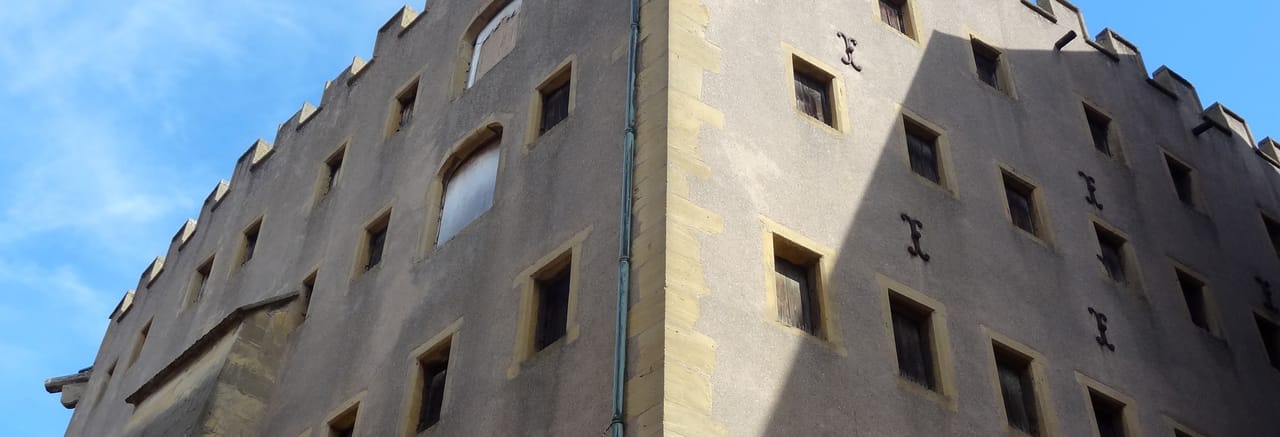
Grenier de Chèvremont, a municipal granary from 1457
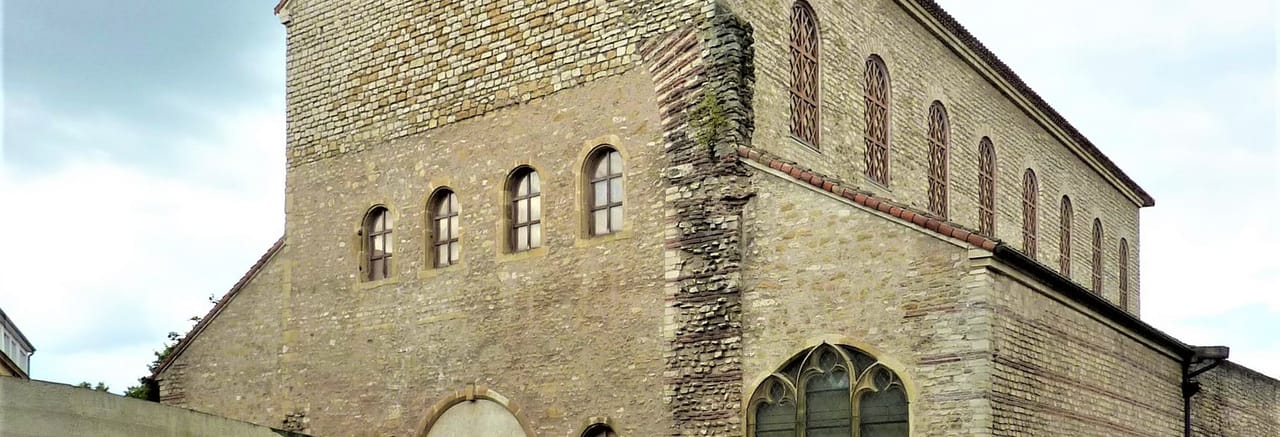
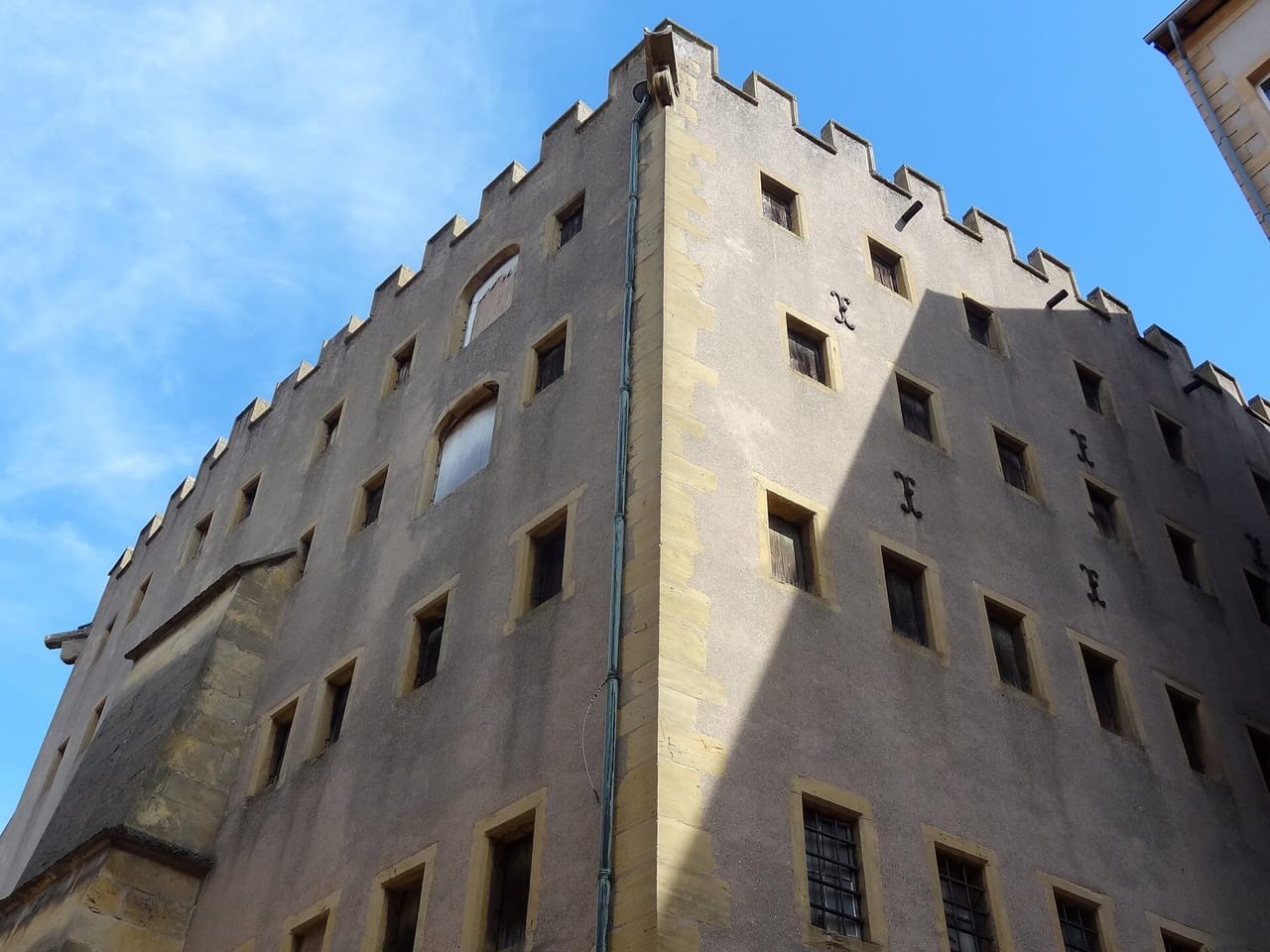
Built in Metz in 1457, this imposing municipal granary is recognisable by the battlements on top. It is a classified historic monument.
Grain reserves against famine
In 1456, the city bought a neighbouring house to enlarge a barn it already owned: this was the starting point of the granary, built between 1457 and 1459 according to the University of Lorraine's Cité de Metz project. The work was part of a wider movement. In the 1430s and 1440s, several cities of the Holy Roman Empire, such as Basel, Cologne and Strasbourg, also acquired municipal granaries, in the face of a cooling climate and the threat of famine. Storing grain was thus a matter of public security. The building long remained a city warehouse.
Battlements, columns and openings to air the grain
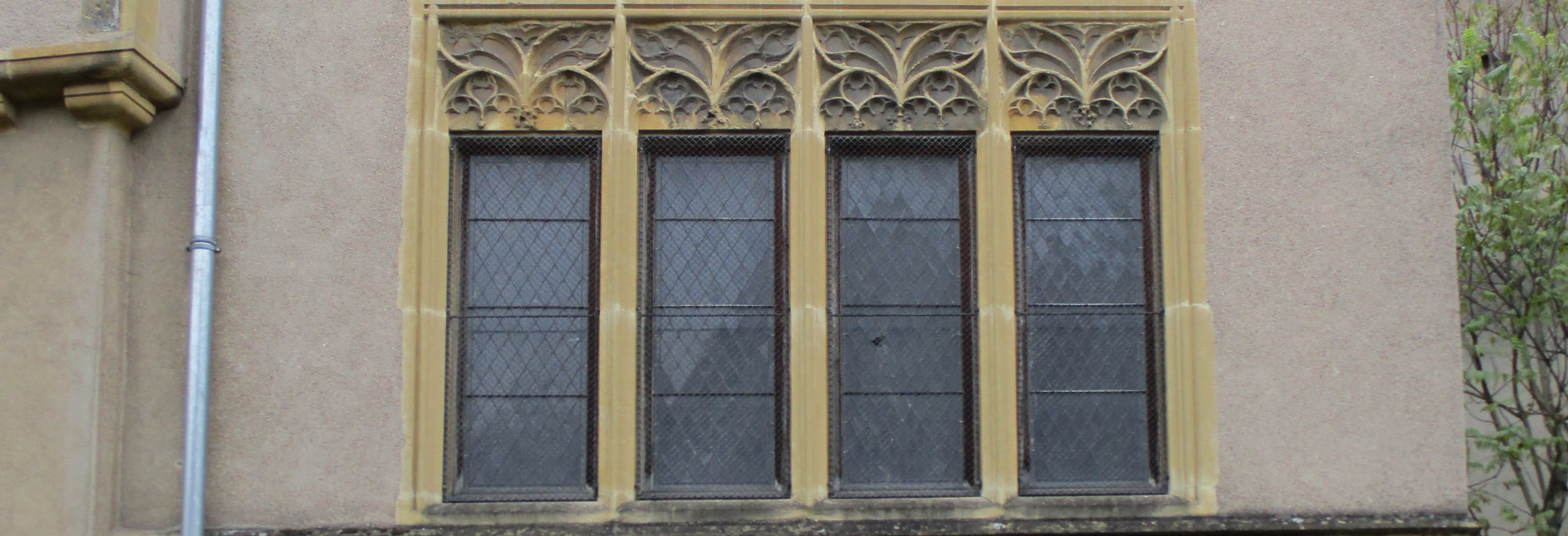
From the outside, the granary impresses by its bulk: about 16.5 by 31 metres, over five levels. Sources describe screen walls topped with merlons, also found on other granaries and mansions of the medieval city. The many openings had a very practical purpose: airing the grain and flour. Inside, arches on the ground floor carry columns that rise through four storeys. On the street side, a buttress was added in 1536, a date also recorded in the Mérimée database. It is one of three crenellated barns still standing in Metz, along with the Grange des Antonistes and the Saint-Esprit barn.
From storing wheat to Lorraine sculpture
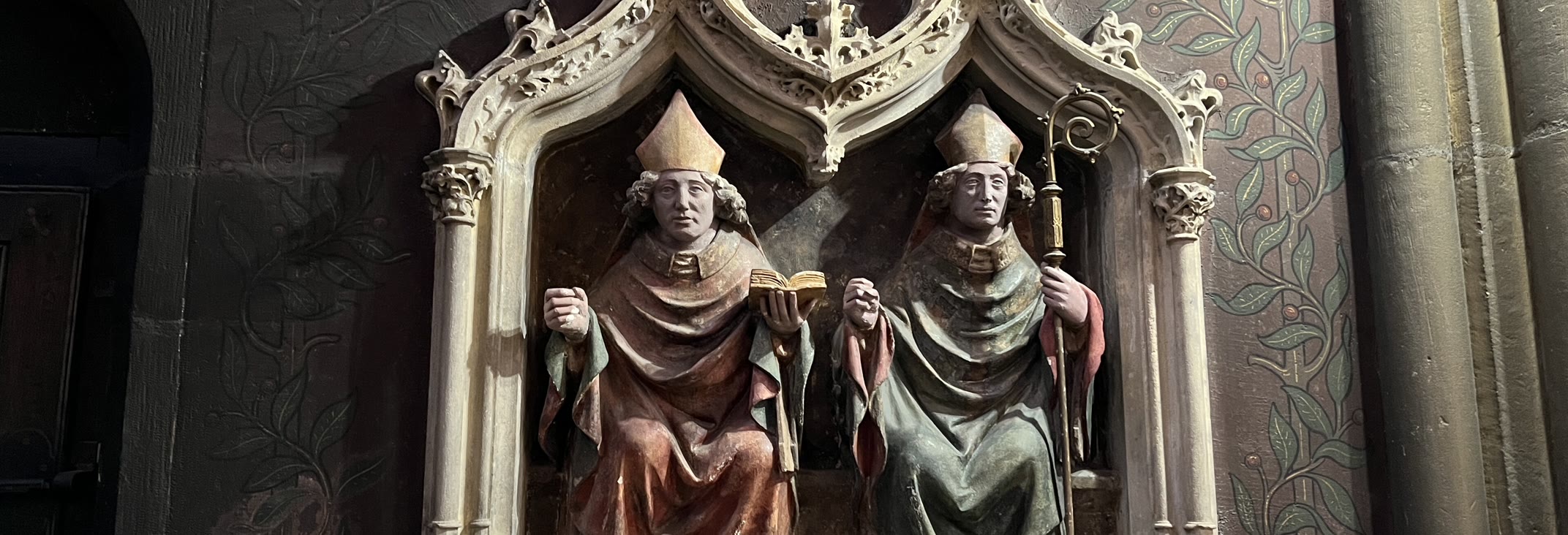
Part of the museum's premises since 1981, according to Wikipedia, the granary now displays a very specific collection. The museum's website mentions Lorraine sculptures from the 12th to the 16th century, and arranges its displays of religious and civil architecture around the building. Three sets of painted wooden ceilings, among the major pieces in the collections, accompany everyday objects and decorative features from houses. The gallery of religious statuary is on the courtyard level. The city's former grain store has thus become the centre of gravity of the medieval route.
See it from the street, then from inside
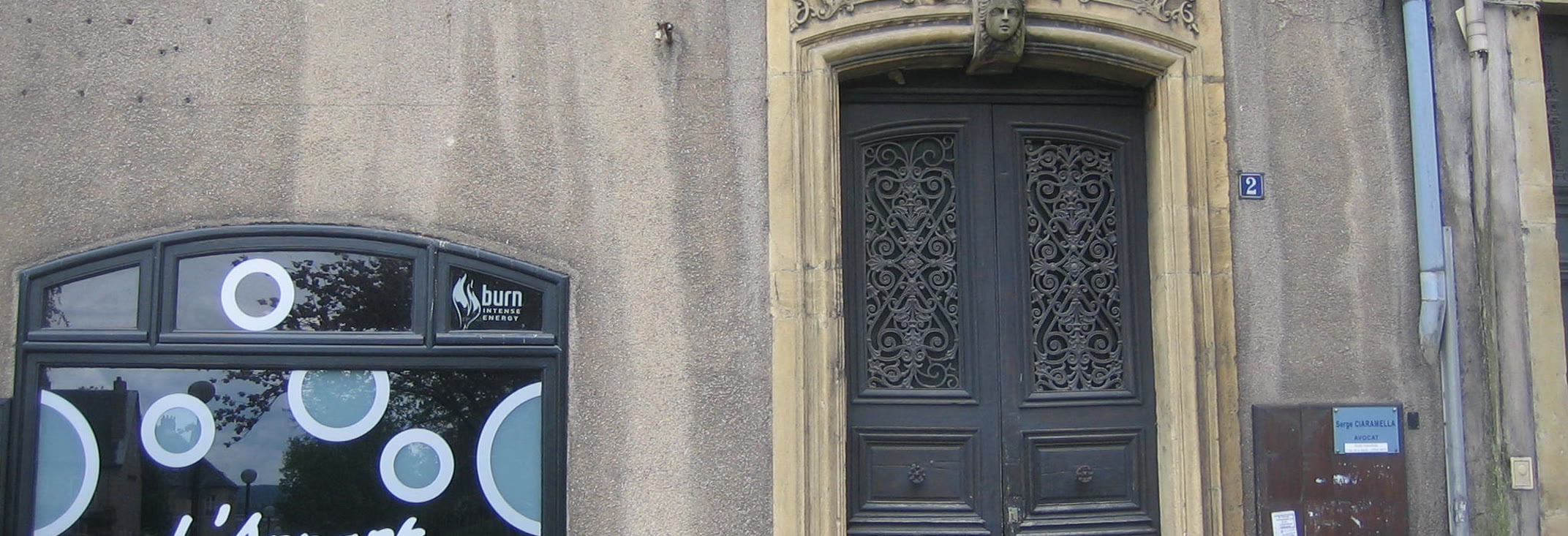
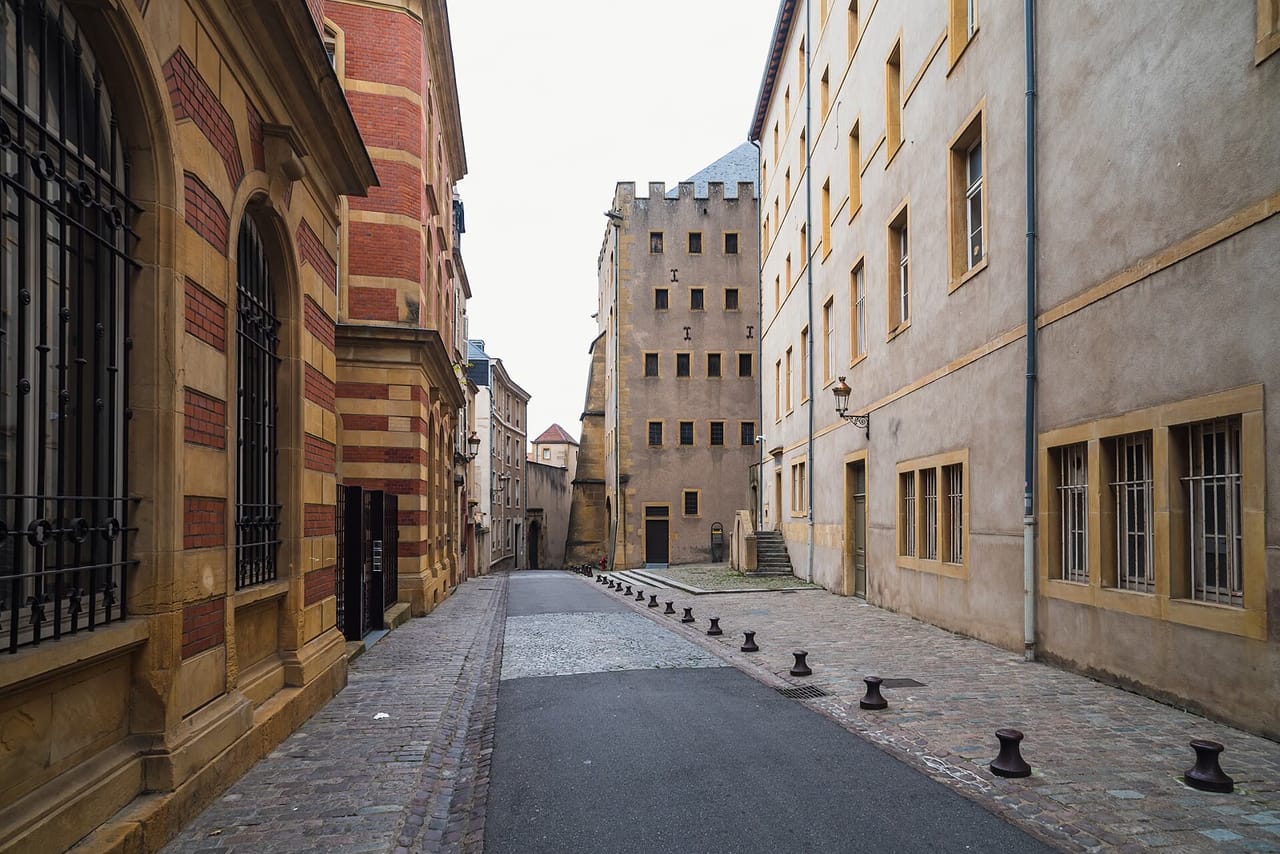
There are two ways to see the granary. From the rue de Chèvremont, behind the museum, you can take in its bulk and battlements without paying anything. For the interior, you need to go through the Musée de La Cour d'Or, at 2 rue du Haut-Poirier: the granary is part of the route, with its statuary gallery on the courtyard level. The sources consulted do not say whether the upper floors are open. Before coming, check opening times and prices on the museum's website, and round off the walk with the Grange des Antonistes, on the rue des Piques.
Practical information
Address: Rue de Chèvremont, 57000 Metz
Frequently asked questions
Is this monument protected?
Yes, it is a classified historic monument.
Can you visit the inside of the Grenier de Chèvremont?
Yes, through the Musée de La Cour d'Or, of which it is part: it displays Lorraine sculptures from the 12th to the 16th century, among other works. From outside, the rue de Chèvremont offers a free view of its walls and battlements.
Where should you stay to visit the granary and old Metz?
Ideally, stay around the cathedral: the museum and the old streets nearby are then within walking distance. To compare this area with other districts and look for accommodation, open Staylaro's guide “Se loger à Metz”.
How do you reach the granary?
On foot, through the streets of the Sainte-Croix hill: the building lines the rue de Chèvremont, behind the museum. To see its rooms, enter through the Musée de La Cour d'Or, 2 rue du Haut-Poirier.
Wikimedia Commons — Vincent Zimmermann · Wikimedia Commons — Flocci Nivis