Robert Schuman's House
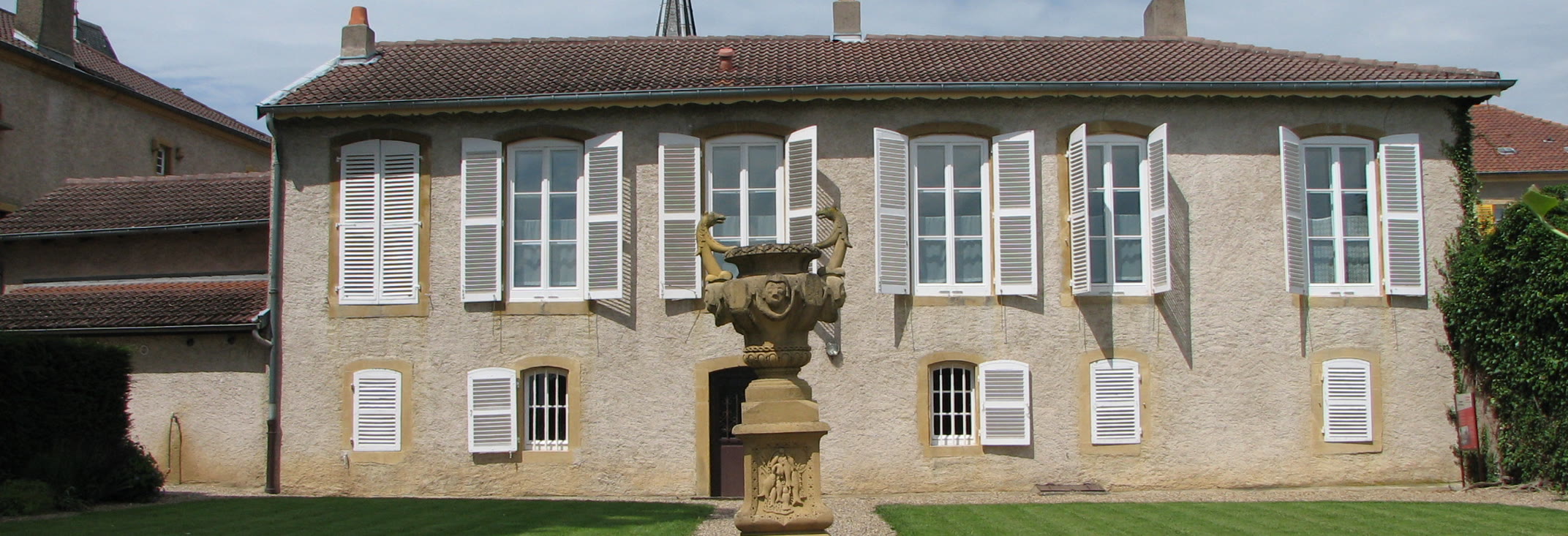
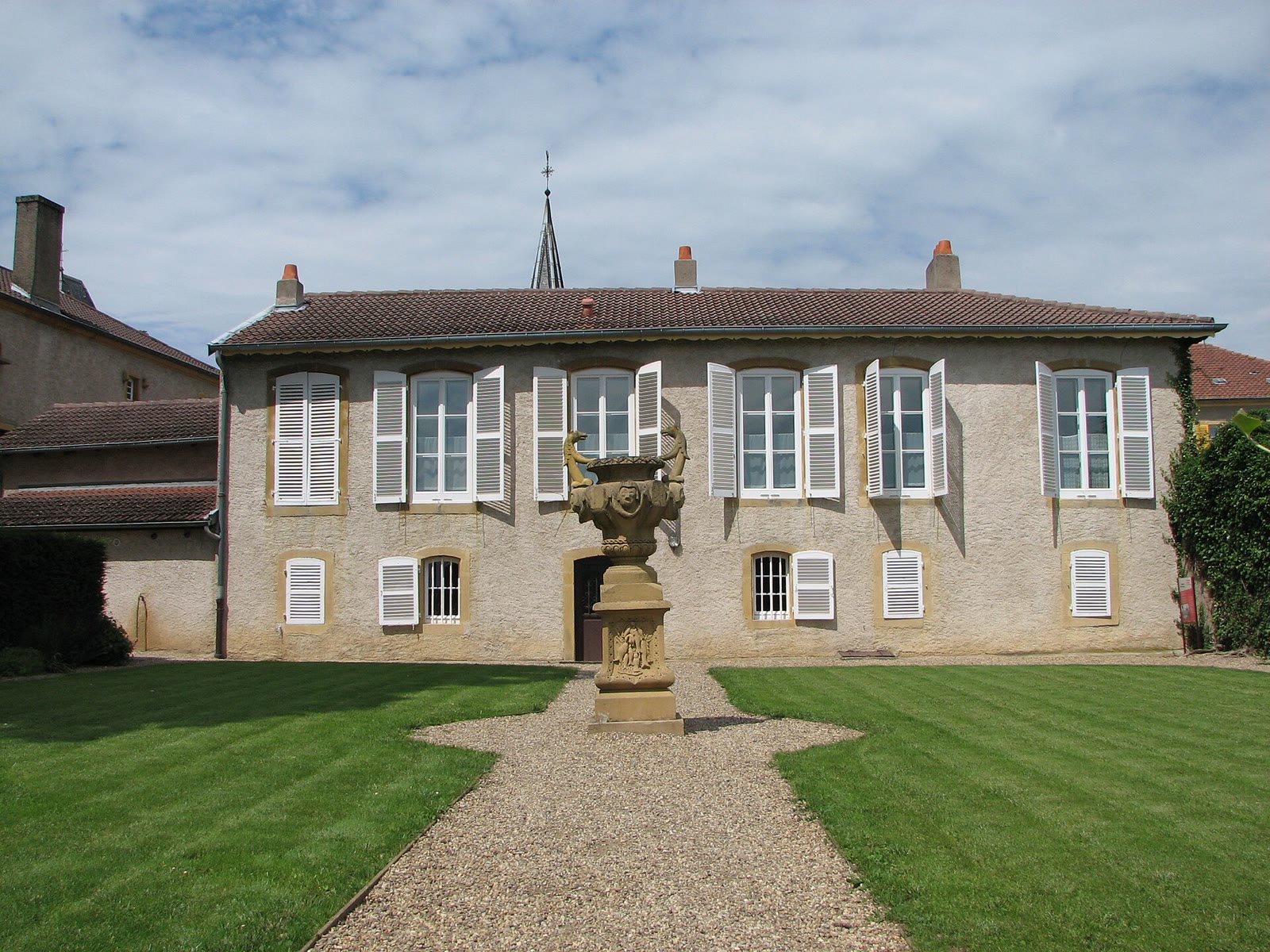
On the slopes of Mont Saint-Quentin, in the village of Scy-Chazelles at the gates of Metz, stands the house Robert Schuman bought in 1926 and lived in until his death in 1963. Foreign minister and author of the declaration of 9 May 1950, this 'father of Europe' left behind a Lorraine home that is now a departmental museum, beside the fortified church where he is buried.
The home of a father of Europe
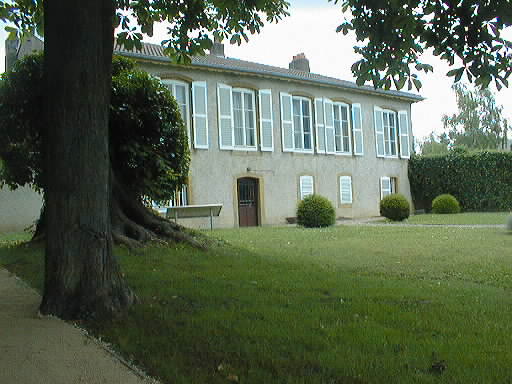
Robert Schuman acquired this house in 1926 and made it his main home until his death in 1963. Inside, visitors find the preserved interior of a typical mid-20th-century Lorraine house, where the minister led a modest, retiring life. It was in these quiet surroundings that part of his political thinking took shape—the man who played a decisive role in Franco-German reconciliation and in the first steps of European integration after the Second World War.
An exhibition on the birth of Europe
Adjoining the house, an interactive museum exhibition traces the birth of European integration and Robert Schuman's career. It covers the post-war context, the declaration of 9 May 1950 that proposed pooling coal and steel, and how that idea paved the way for today's European Union. The presentation is lively and accessible, designed for history lovers as much as for families and school groups keen to understand how a peace project was born near Metz.
The garden and Mont Saint-Quentin
The visit continues in an ornamental garden overlooking the Moselle valley. An orchard, flower beds and squares of heirloom plants make up a leisurely space true to the spirit of an early-20th-century Lorraine garden, with lovely views over the landscape. Set against Mont Saint-Quentin, the site invites you to slow down—a welcome green break just minutes from central Metz, perfect for pairing culture with fresh air.
The fortified church of Saint-Quentin
Right beside the house stands the fortified church of Saint-Quentin, a medieval monument dating back to the 12th century and listed as a historic monument. It is here that Robert Schuman is buried, his tomb drawing seekers and visitors from across Europe. This proximity gives the visit a special resonance: you move from the intimacy of a home to a place of remembrance that reveals the man's attachment to his Lorraine roots and his faith.
Practical information and access
The Robert Schuman House is on Rue Robert Schuman in Scy-Chazelles, a few minutes' drive from Metz. It is run by the Moselle Department (Moselle Passion network) and holds the Maisons des Illustres label. Allow roughly an hour to an hour and a half for the house, the exhibition and the garden. As opening days and times can vary by season, check them on the official website before you go.
Infos pratiques
Adresse : 8;10;12 Rue Robert Schuman, 57160 Scy-Chazelles
Questions fréquentes
Where is the Robert Schuman House?
On Rue Robert Schuman in Scy-Chazelles (57160), on Mont Saint-Quentin, a few minutes from Metz.
What is there to see?
Robert Schuman's preserved house, an interactive exhibition on the beginnings of European integration and a garden overlooking the Moselle valley; the neighbouring fortified church holds his tomb.
Why is Robert Schuman famous?
As foreign minister, he authored the declaration of 9 May 1950 that launched European integration; he is counted among the 'fathers of Europe'.
What are the opening hours?
The museum is generally open Tuesday to Sunday in the afternoon; as hours vary by season, confirm them on the official website before visiting.
Wikimedia Commons — TCY · Wikimedia Commons — Edlobag