Ruins of the Grands-Carmes church, in Metz's Ancienne Ville
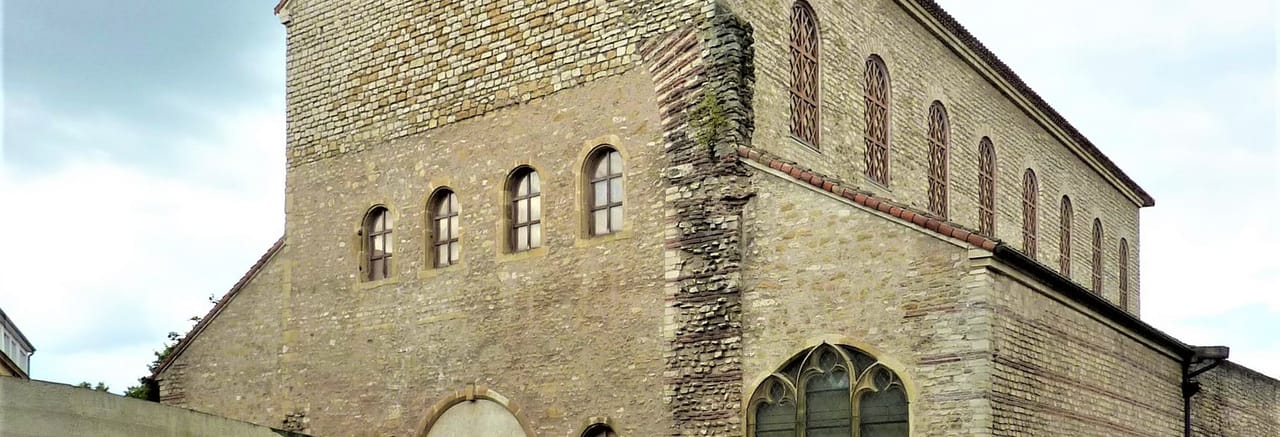
On Rue Marchant, a single bay survives of this late 14th-century church, the work of Pierre Perrat, architect of the cathedral. Its picturesque ruins are a classified historic monument.
Scattered fragments
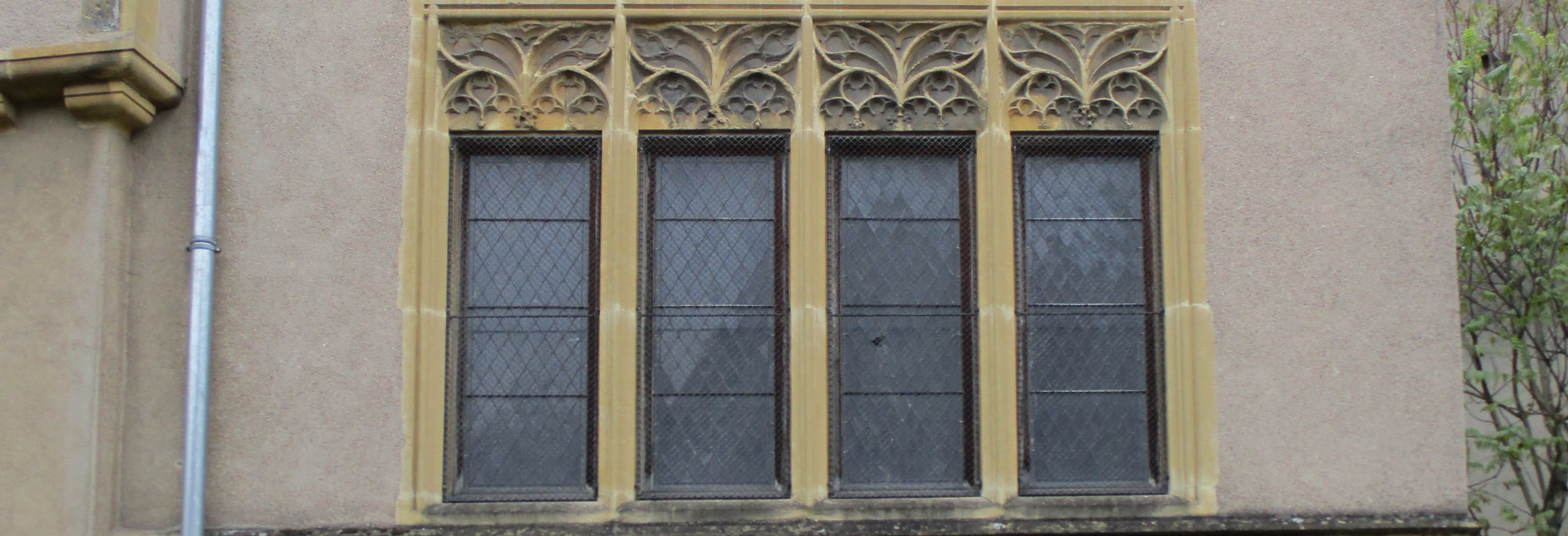
Completed in 1415, the church suffered during the Revolution and was destroyed in 1818, according to Wikipedia. Beforehand, Alexandre Lenoir saved elements of it, reused in the chapel of the Château de Mont-l'Évêque.
A Pierre Perrat project, finished after his death
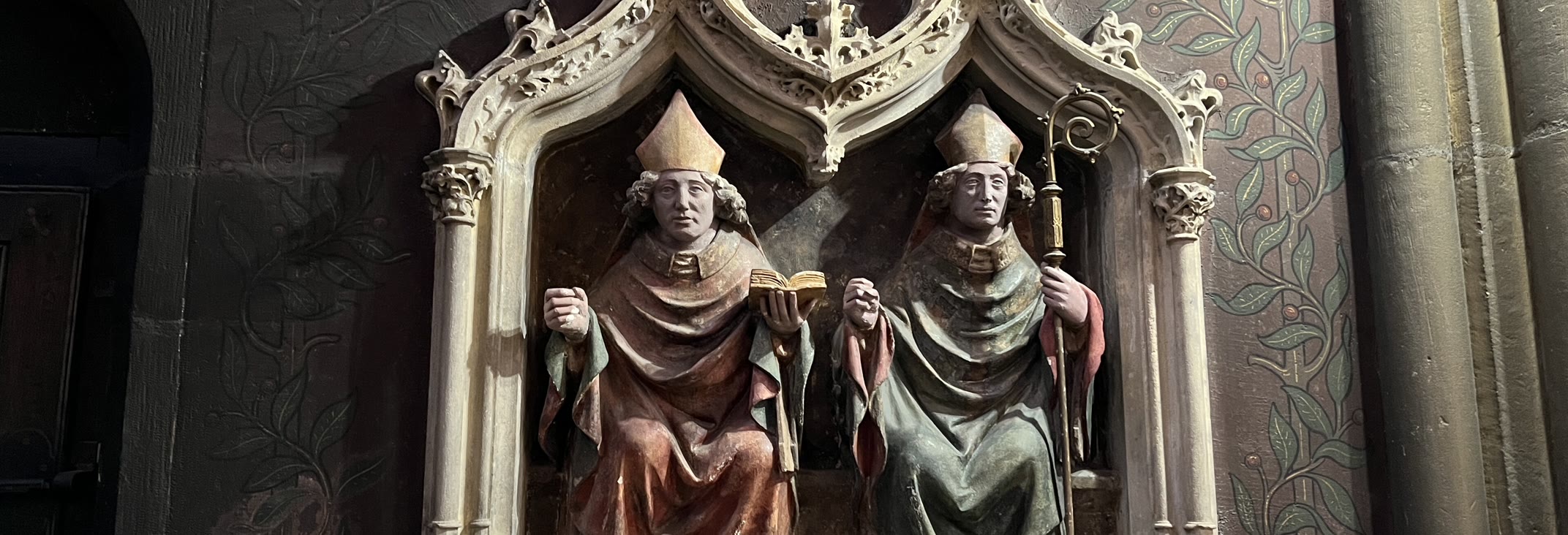
The Grands-Carmes, a mendicant order born in the 13th century, entrusted their church to a leading name. Pierre Perrat was then in charge of vaulting Metz Cathedral and also worked at Toul and Verdun. He died on 25 July 1400 and lies in the cathedral nave, where his epitaph survives. Work on the Carmelite church therefore continued without him until 1415, and the building was altered around the second half of the 15th century. Its Jaumont stone rood screen and high altar made its reputation, so much so that Louis XV is said to have come to admire them in 1774.
Fourteen crates of stone, from Metz to Malmaison
Warned in 1806 of the planned destruction, Alexandre Lenoir had fourteen crates filled for his Paris museum, with General Berthier's support. Yet Joséphine de Beauharnais obtained the stones for Malmaison, where the chapel proved too small. The crates then lay in the cellars. Around 1840, a new owner wanted to turn them into gravel, but his architect swapped them for rubble stone. Sold in two lots in 1850, they went near Douai and to Mont-l'Évêque, in the Oise, where their yellow colour still stands out. According to the tourist office, the rood screen ended up at the Cour d'Or museum.
On rue Marchant, a single bay that defied the pickaxes
All that remains of this large church is a single bay, owned by the town, which puzzles passers-by between rue Marchant and boulevard Paixhans. You need to look up at the walls to imagine the vanished volume. The tourist office relates an amusing story: a contractor named Carmes, nicknamed the little Carmes because of his height, is said to have bought the site to resell the stone, but the sturdy masonry reportedly bankrupted him. Hence the local quip that the Grands-Carmes ruined the little Carmes. True or not, it neatly explains why this fragment is still standing.
Practical information
Address: Rue Marchant, 57000 Metz
Frequently asked questions
Is this monument protected?
Yes, it has been a classified historic monument since 1929.
Can you visit the Grands-Carmes ruins, and what can be seen from outside?
They are viewed from the street: no interior visit is advertised for this remnant. From rue Marchant, you can see the one surviving bay, the only trace on site of the church built for the Carmelites from the late 14th century.
Which district should you choose to sleep near the old town?
Outre-Seille offers a good compromise between charm and price, and the centre around the cathedral puts everything within walking distance. Staylaro's guide « Se loger à Metz » compares these areas and helps you look for accommodation.
How do you reach the ruins, and where can other fragments be seen?
The ruins are on rue Marchant, in the old town, towards boulevard Paixhans, and can be reached on foot from the centre. According to the tourist office, the Cour d'Or museum holds the rood screen that once adorned the church.