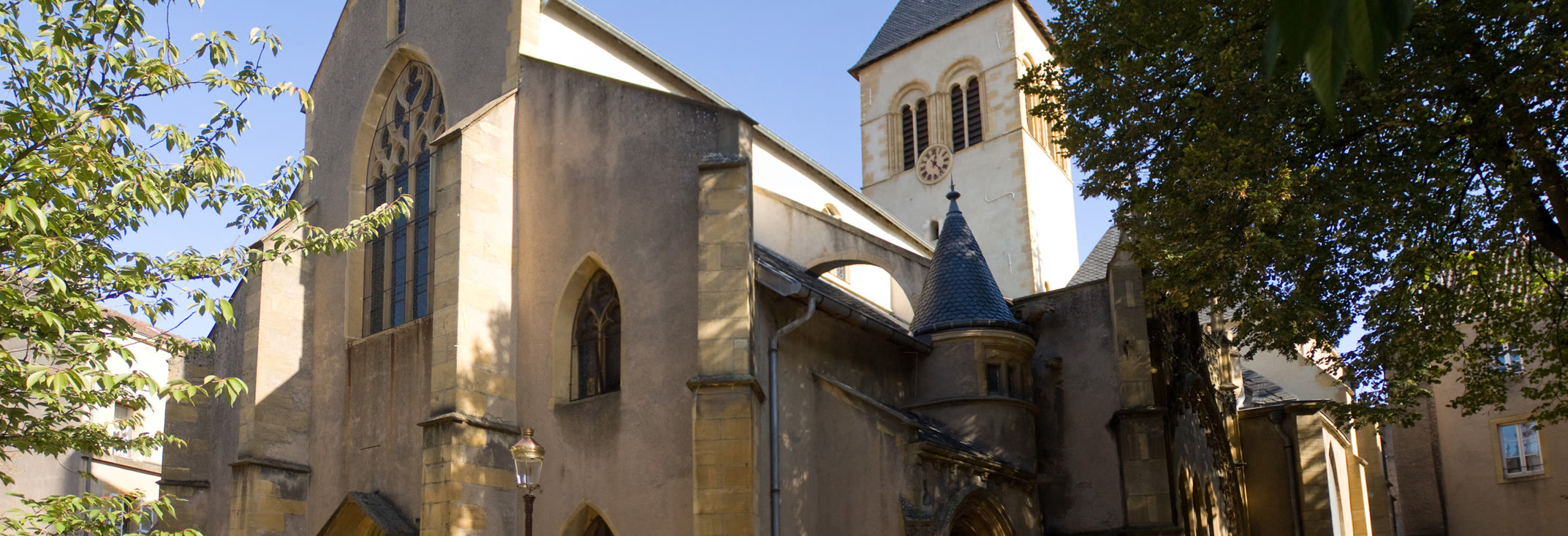
Église Saint-Eucaire de Metz
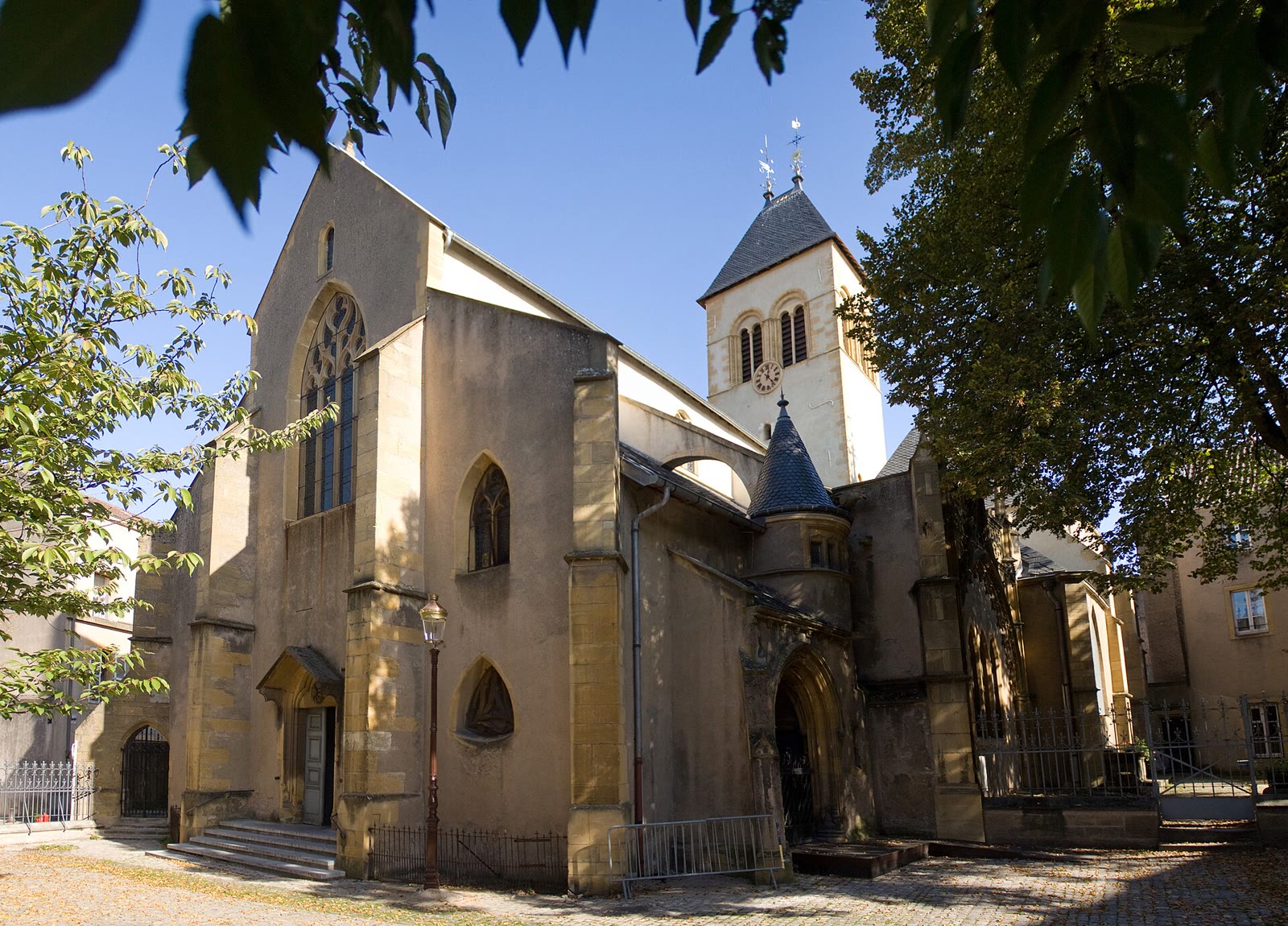
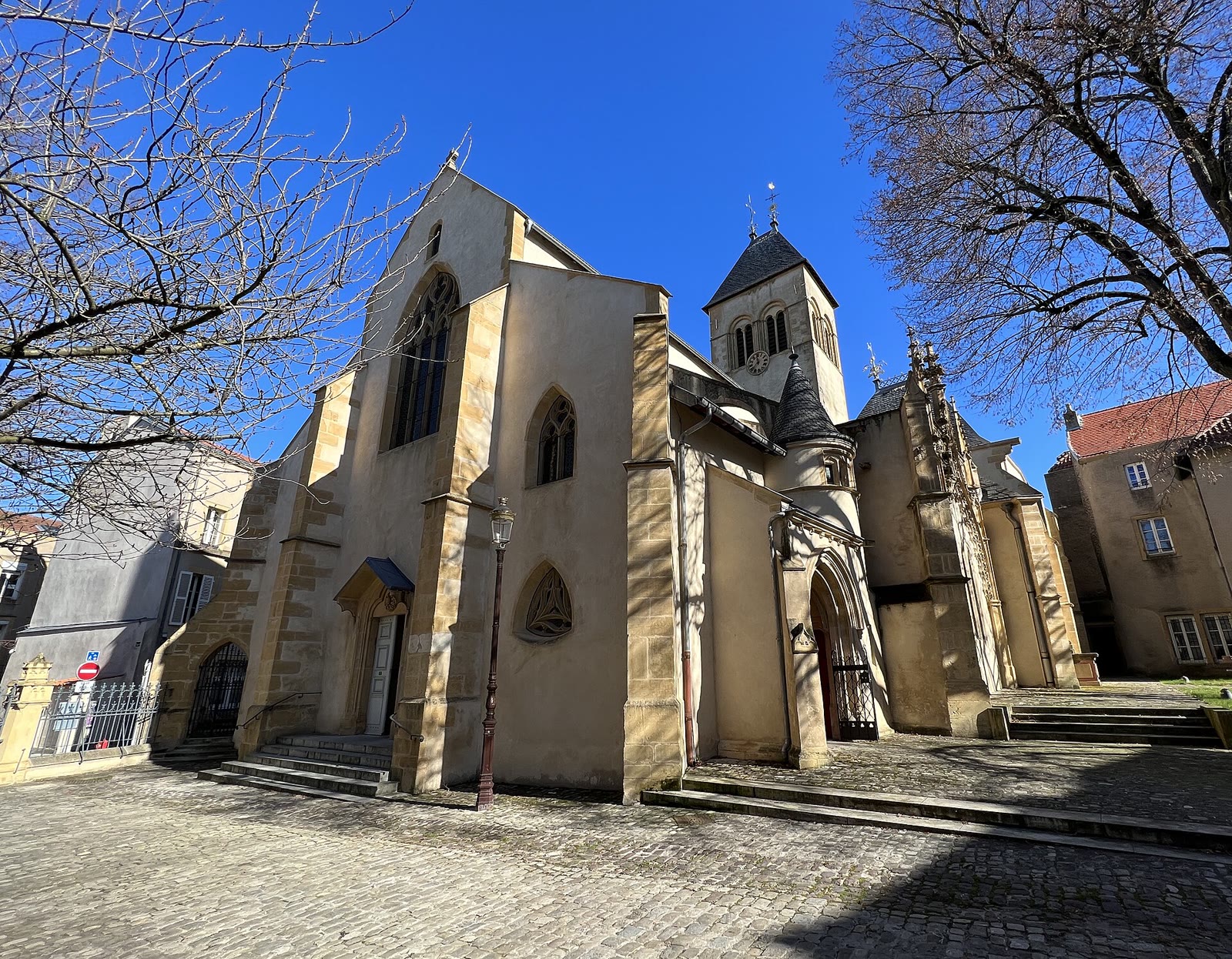
In the heart of the picturesque Outre-Seille quarter, between rue Saint-Eucaire and rue des Allemands, this church alone tells fifteen centuries of Metz history. Its origins reach back to the 5th century, but the building explored today layers a 12th-century Romanesque bell tower with a flamboyant Gothic nave from the 14th and 15th centuries. Its golden stone, chapels and stained glass form an ensemble of rare warmth. Far from the main tourist flows, Saint-Eucaire appeals to travellers seeking an authentic and peaceful Metz.
Fifteen centuries of history in Outre-Seille
The church is dedicated to Saint Eucharius, held to be the first bishop of Trier and venerated early in the region. An initial foundation dates to the 5th century, placing the site among the oldest sanctuaries in Metz. Over the centuries the building was rebuilt and enlarged in step with life in the Outre-Seille quarter, then home to craftsmen and traders. Despite hardships, including the upheavals of the Revolution, it has crossed the ages without losing its soul. This long continuity gives Saint-Eucaire its very particular atmosphere.
From Romanesque tower to flamboyant Gothic
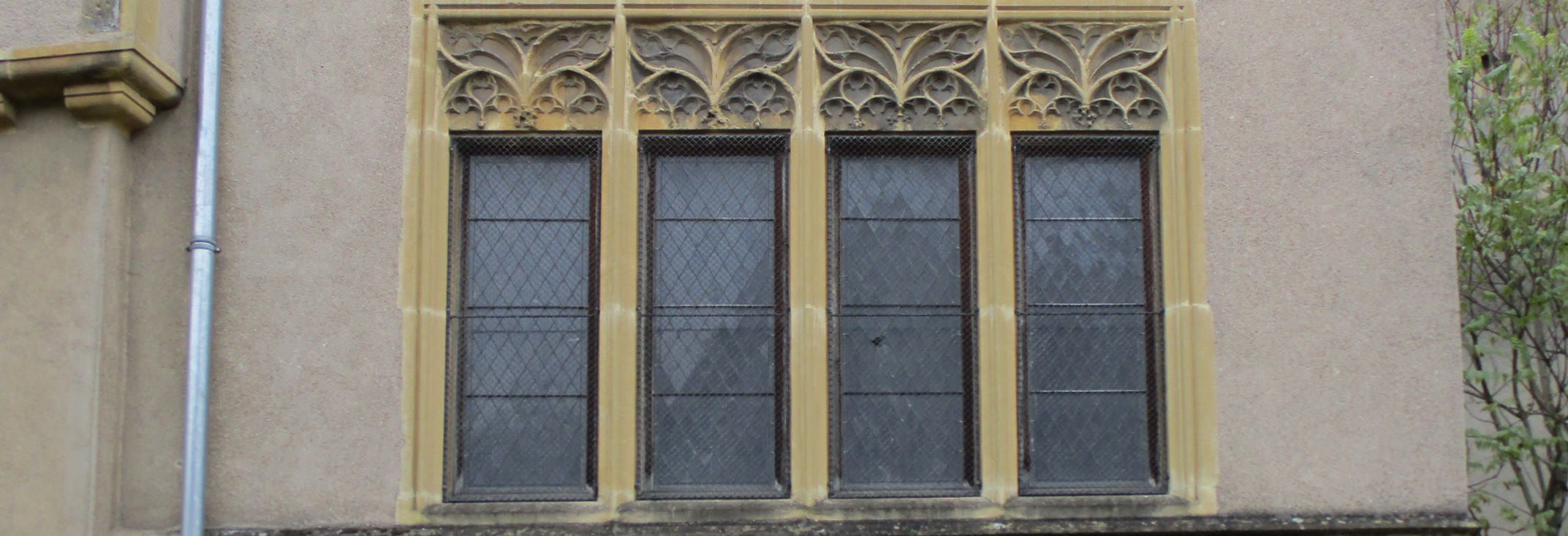
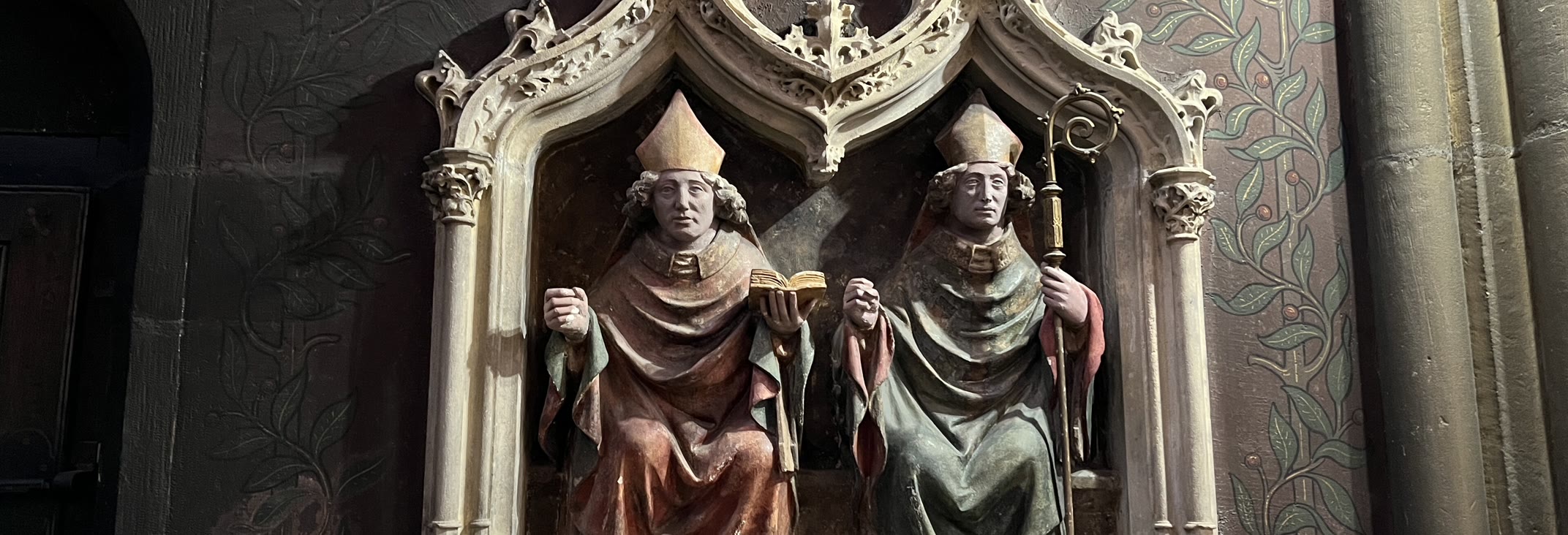
Saint-Eucaire offers a genuine digest of architecture. Its tower, sturdy and plain, belongs to the Romanesque art of the 12th century. Inside, the nave and choir, reworked in the 14th and 15th centuries, instead unfold the taut elegance of flamboyant Gothic, with its wrought vaults and soaring lines. Jaumont stone, the golden limestone typical of the Metz country, bathes the whole in a warm light. Side chapels, ancient sculptures and ornamental details invite a careful visit, where each era left its signature without ever breaking the overall harmony of the place.
Stained glass and a traditional organ
Metz reveres the art of stained glass, and Saint-Eucaire contributes with the choir windows by Laurent-Charles Maréchal, the great Metz master glassmaker, made in 1863. Their deep colours animate the space with the daylight. The church also keeps a fine Mutin-Cavaillé-Coll organ installed in 1902, one of the great French organ-building houses, carefully restored between 2002 and 2006. Beneath the Gothic vaults, its full, singing tone makes every hearing a special moment. These quiet treasures reward the curious visitor who pushes open the door of this neighbourhood sanctuary.
A living tradition and an endearing quarter
Saint-Eucaire is not merely a backdrop: life continues here. Since 1552 the Brotherhood of Saint Blaise has kept up an unusual tradition, with an annual pilgrimage around 3 February when small blessed brioches are handed out, said to guard against sore throats. This flavoursome custom speaks of the church's popular roots. All around, the Outre-Seille quarter unfolds its medieval lanes, old houses and tempting addresses. Staying here means living to the rhythm of an intimate Metz, where you drift naturally from a church's stained glass to a drink shared on a terrace.
Infos pratiques
Adresse : Rue des Allemands, 57000 Metz
Questions fréquentes
Who was Saint Eucharius?
Saint Eucharius is traditionally regarded as the first bishop of Trier, an important city of nearby Antiquity. His cult spread early in the Metz region, which explains the dedication of this church dating back to the 5th century.
What architectural styles can be seen there?
The bell tower is Romanesque, from the 12th century, while the nave and choir, remade in the 14th and 15th centuries, illustrate flamboyant Gothic. This layering offers a striking shortcut through the evolution of religious architecture in Metz.
Can you visit the church?
Saint-Eucaire remains a parish church open to visitors outside services. Opening hours may vary, so it is wise to check with the parish or the Metz tourist office before going.
What is the Saint Blaise brioche tradition?
Since 1552 a brotherhood dedicated to Saint Blaise has held a pilgrimage around 3 February at which small blessed brioches are distributed, said to protect against sore throats. It is one of the quarter's most endearing folk traditions.
Wikimedia Commons — Johan Bakker · Wikimedia Commons — Chabe01