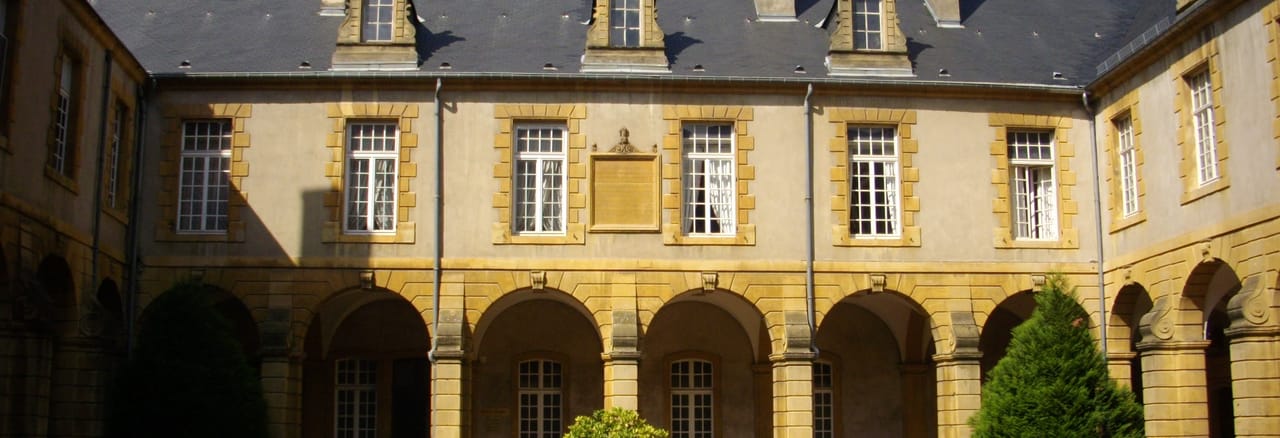
Saint-Arnould abbey, a former Benedictine abbey in Metz
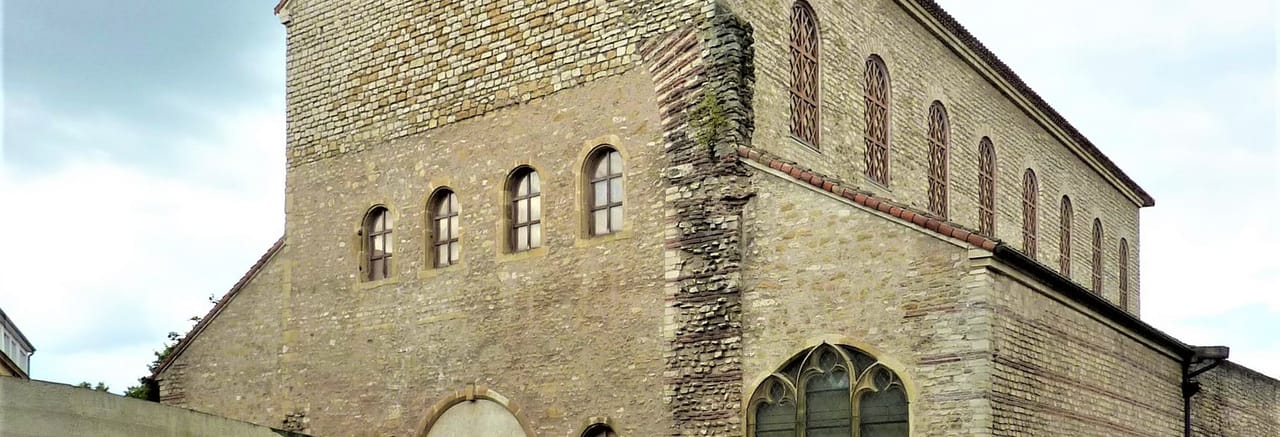
Recorded in Metz since the 6th century, this former Benedictine abbey is also known as the Abbey of the Holy Apostles. It takes its name from Saint Arnoul, or Arnulf.
One name, several spellings
The abbey's name is spelled several ways. “Arnoul” is considered preferable, since “Arnould” points rather to Arnoald, a relative of Arnulf.
From the Holy Apostles to a Carolingian necropolis, outside the ramparts
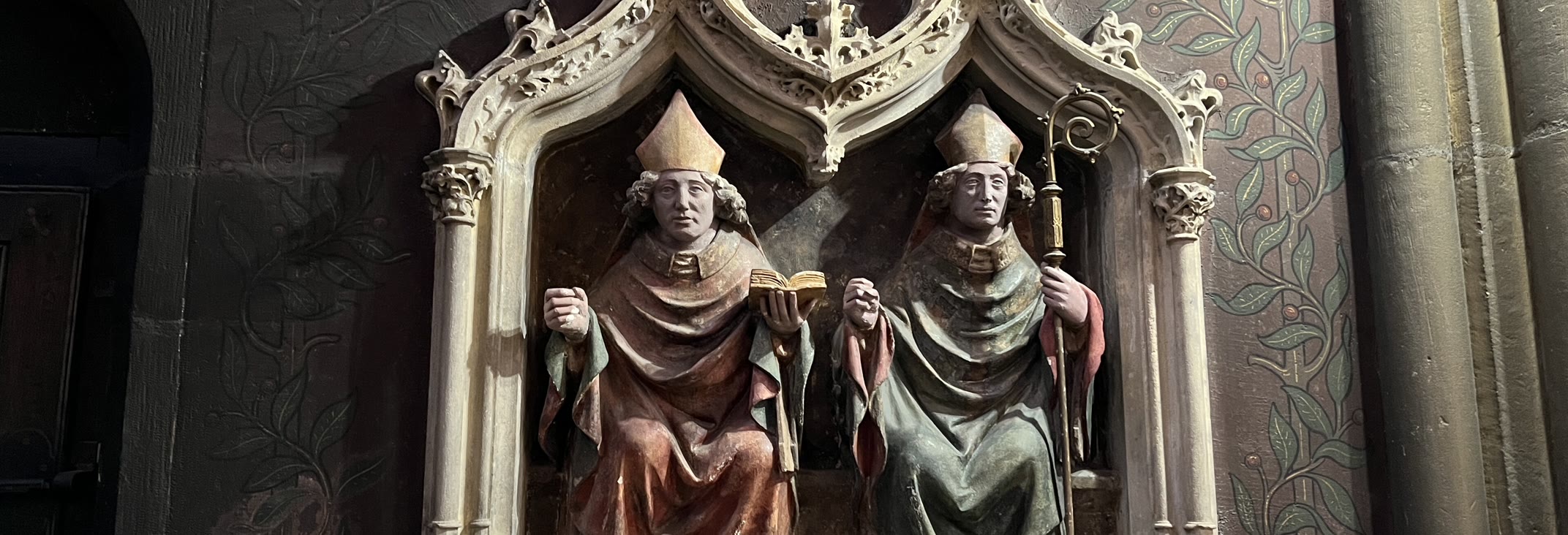
The abbey began in front of the town walls, near the Roman road to Toul and Lyon, on the site of the Bon-Secours hospital or, according to another source, of the Sainte-Thérèse church. Legend traces it back to Bishop Patient in the 2nd century, but firm evidence only starts in the 6th century, under the name Church of the Holy Apostles. The relics of Bishop Arnulf, placed there in 641, gave it its name in 717. Charlemagne made it a necropolis for part of his family: his wife Hildegard was buried here, as later were Emperor Louis the Pious and Bishop Drogo.
1552: the abbey moves house to the Dominican convent
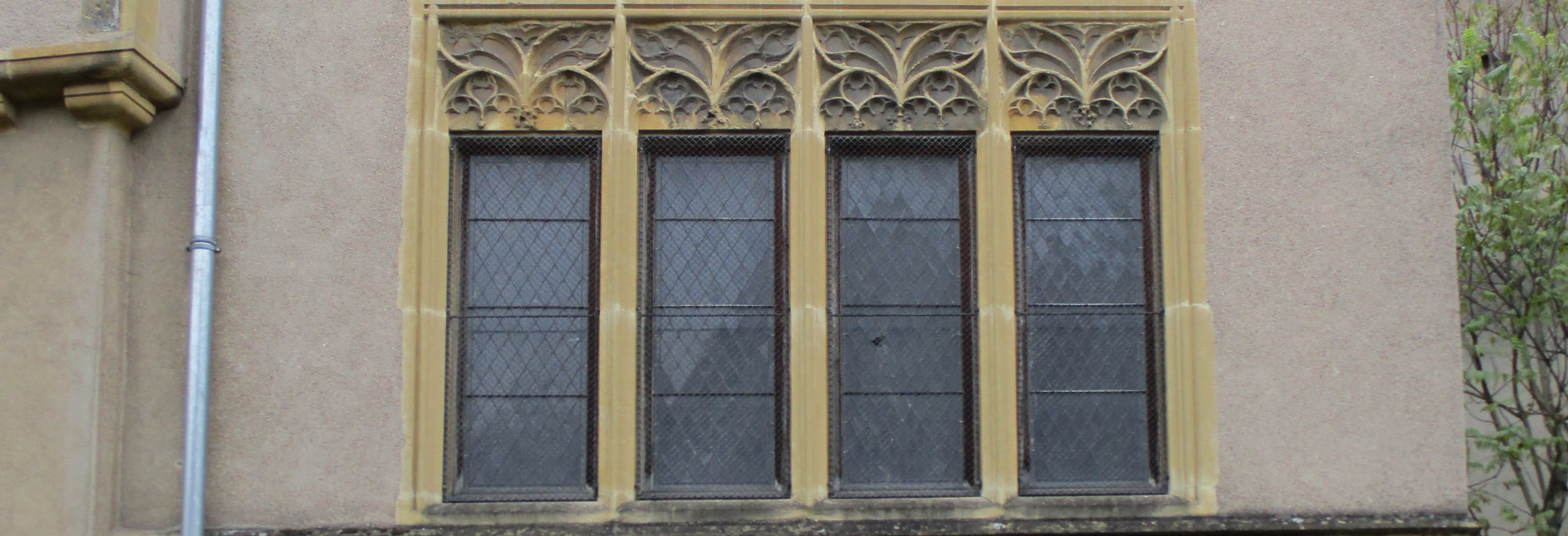
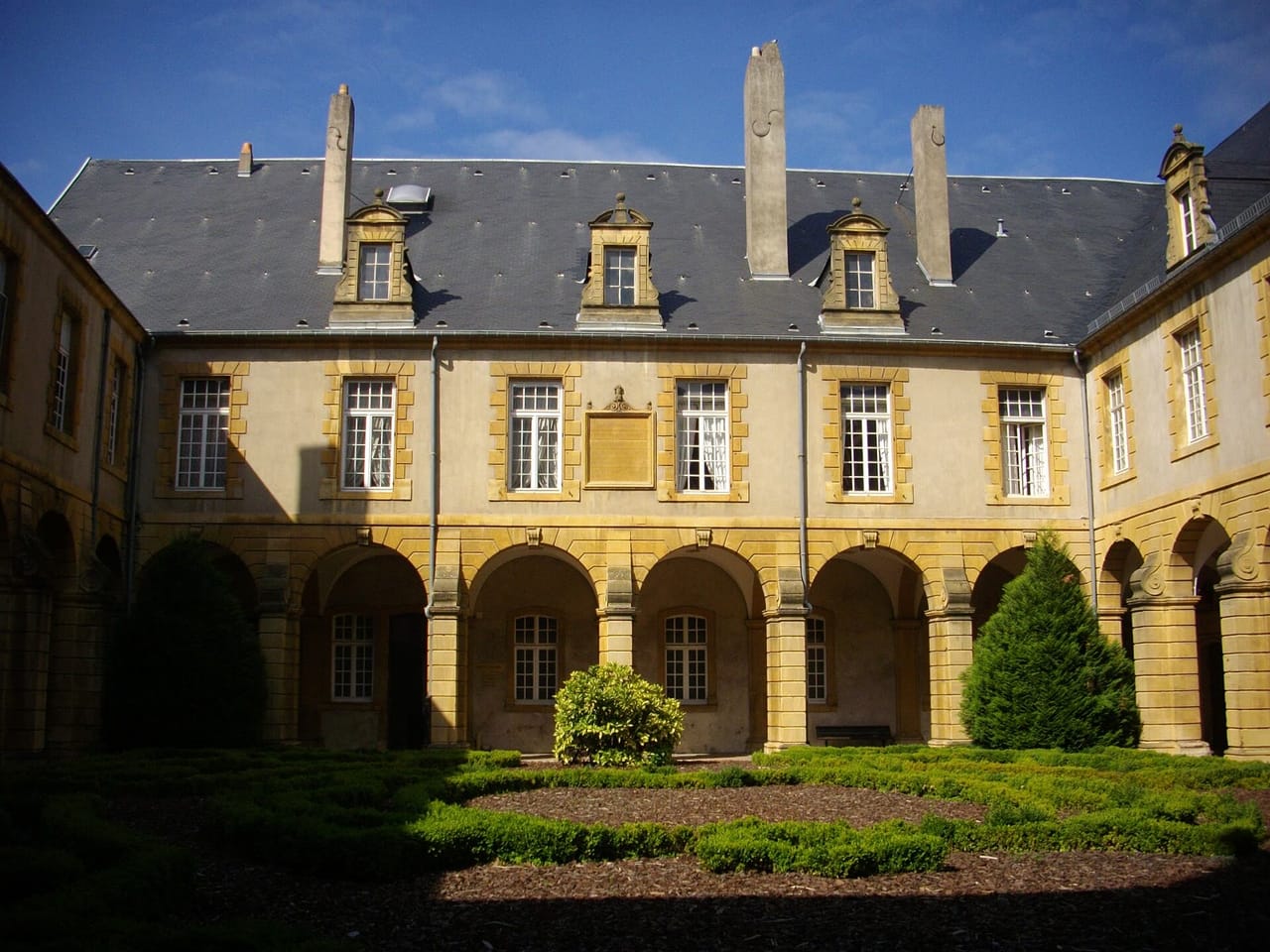
The siege of Metz by Charles V in 1552 led to the destruction of the original abbey. The community and the imperial tombs moved inside the ramparts, to the Dominican convent of the Preachers, built in 1221. This second site, on rue aux Ours, is the one that bears the name Saint-Arnould today. Henry II had a mausoleum raised there for Louis the Pious, incorporating an ancient sarcophagus; partly destroyed in the Revolution, it left some pieces to the museums of Metz. Apart from the church, the convent buildings were rebuilt in the 17th century, and these are what you still see.
From engineering school to officers' club, a site that stayed military
In 1794 the engineering school left Mézières for these walls. Merged in 1802 with the artillery school of Châlons, it trained officers from the École Polytechnique until 1870. The church vanished in the 19th century, but the site of its choir is protected as an archaeological reserve, beneath the lawn at the corner of rue aux Ours and rue Poncelet. A 42-metre turret, built under the Second Empire, was used to watch manoeuvres on Mont Saint-Quentin. After serving as a German war school and, from 1919, as the officers' club, the complex has housed the defence base club's lodgings since 1999.
Practical information
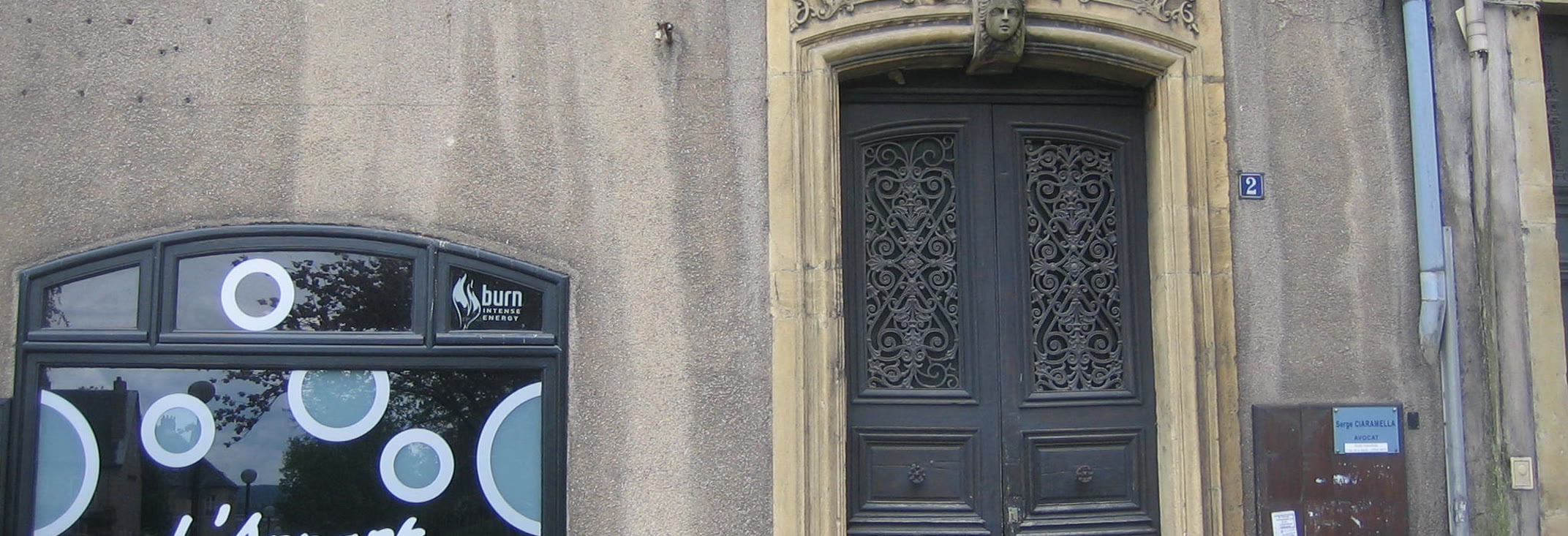
Address: 5 rue aux Ours, 57000 Metz
Frequently asked questions
Is this monument protected?
Partly: the site has been partially listed as a historic monument (inscrit) since 1986.
Can you visit Saint-Arnould Abbey, and what can be seen from outside?
Only on certain occasions, as the site belongs to the defence establishment: for the 2024 Heritage Days it offered free and guided visits and an exhibition. Otherwise, you can see its facades from rue aux Ours and rue Poncelet.
Which district is best for exploring this part of Metz?
The centre around the cathedral suits you if you want to do everything on foot, while Outre-Seille strikes a good balance between charm and price. To compare these districts and look for accommodation, see Staylaro's guide « Se loger à Metz ».
How do you reach the abbey on foot, and what mix-up should you avoid?
Head for 5 rue aux Ours, in the Esplanade area, which is reached on foot from the centre. Do not look for the original abbey at this address: it stood outside the ramparts, near the former Bon-Secours hospital.
Wikimedia Commons — Fab5669