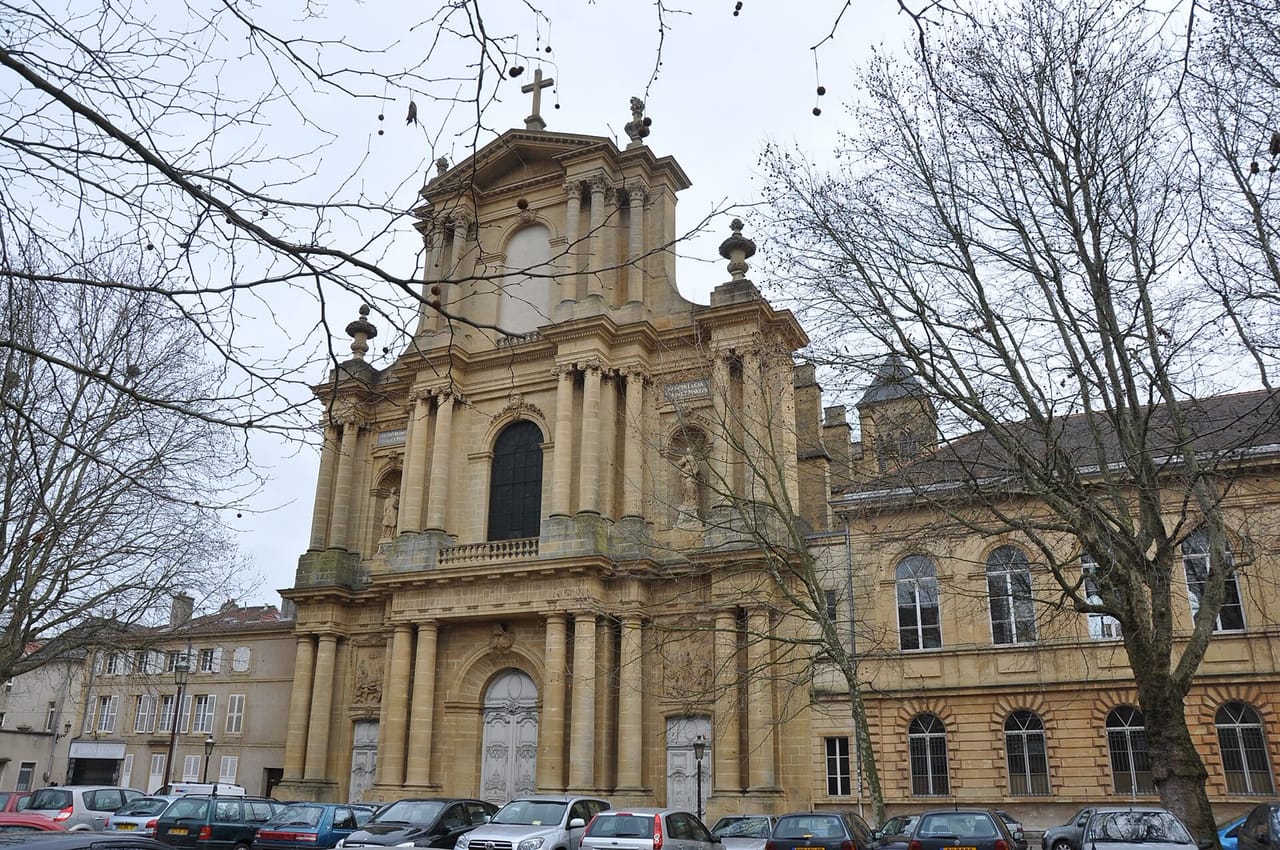
Saint-Vincent abbey in Metz, from medieval abbey to Lycée Fabert
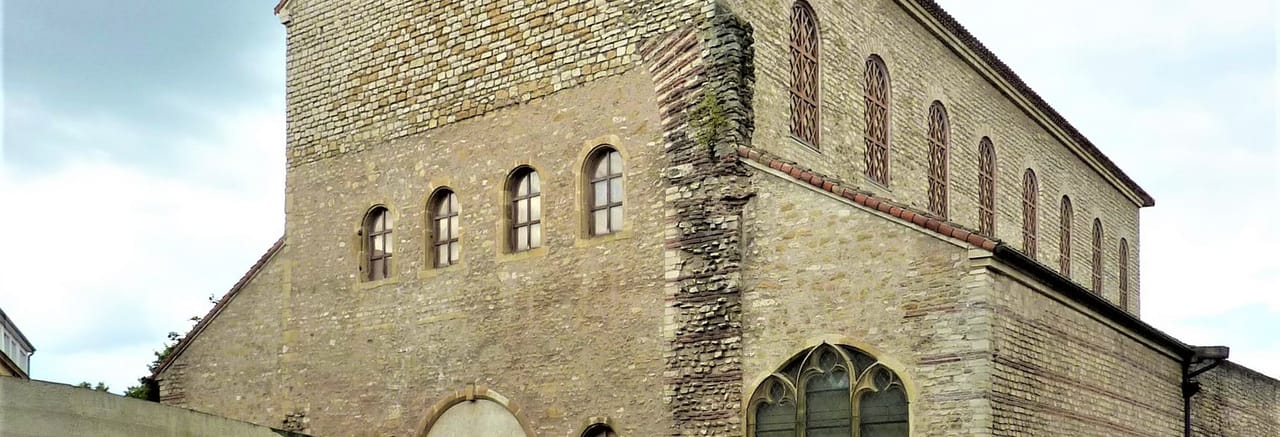
Founded in Metz in the 10th century, the abbey of Saint-Vincent has stood the test of time. Its buildings, rebuilt in the 18th century, partly house the Lycée Fabert, next to the former Gothic abbey church, classified in 1930.
From the winegrowers' oratory to Bishop Theodoric's abbey
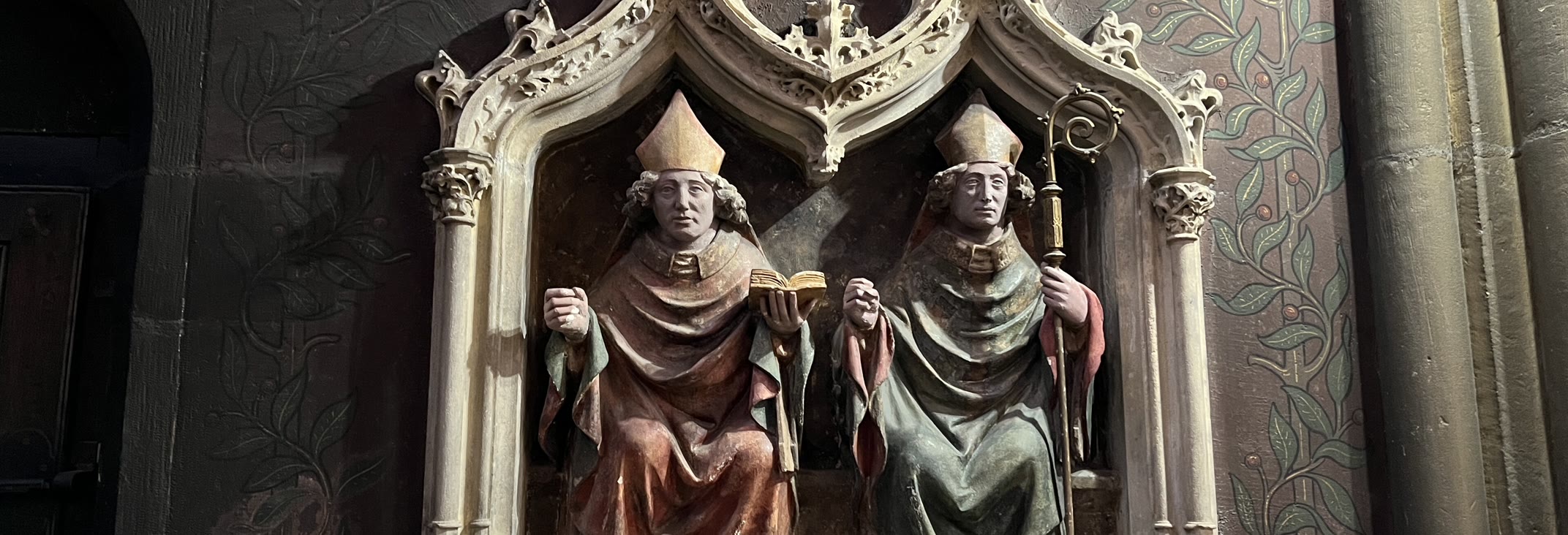
Before the abbey, the Île Chambière had only a small suburban chapel, placed by the winegrowers under the protection of their patron, Vincent of Saragossa. Everything changed in 968. Bishop Theodoric I, a relative of the emperor, came back from Italy with relics of the saint and wanted to give them a Benedictine home. He called on the diocese's two great monasteries, Gorze and Saint-Arnould, which supplied the monks. Odilbert, provost of Gorze, built the first abbey church, dedicated on 6 August 972, with relics of Saint Lucy as well. Theodoric was buried here in 984, a sign of the bond between founder and foundation.
A major medieval school, long before the lycée
Teaching did not arrive here by chance in 1804: it was already present in the Middle Ages. Sigebert of Gembloux came to Saint-Vincent in 1051 and ran the schools for twenty-five years, later leaving a well-known universal chronicle. Monks learned copying, illumination and the organ, while outside pupils, clerics or lay, attended lessons. The curriculum joined grammar, rhetoric and dialectic with arithmetic, geometry, astronomy and music. From the 17th century, the abbey passed to commendatory abbots who did not live on site, among them Cardinal Mazarin.
New buildings, then the Revolution and the coming of the lycée
In the second half of the 18th century, the monks rebuilt their living quarters. They did not enjoy them for long. As early as 1770, the abbot's house, deemed useless, was let to the town as a poorhouse, and the abbey was suppressed in 1790. The site then served as a military store, a prison for suspects, lodgings for prisoners of war and a hospital for horses. In 1803 a decree created the lycée of Metz, and Mayor Goussaud d'Antilly chose the former convent. Pupils arrived in October 1804. Rue Goussaud, cut through in the early 19th century, took a further slice of the complex.
What the Lycée Fabert has kept of the abbey
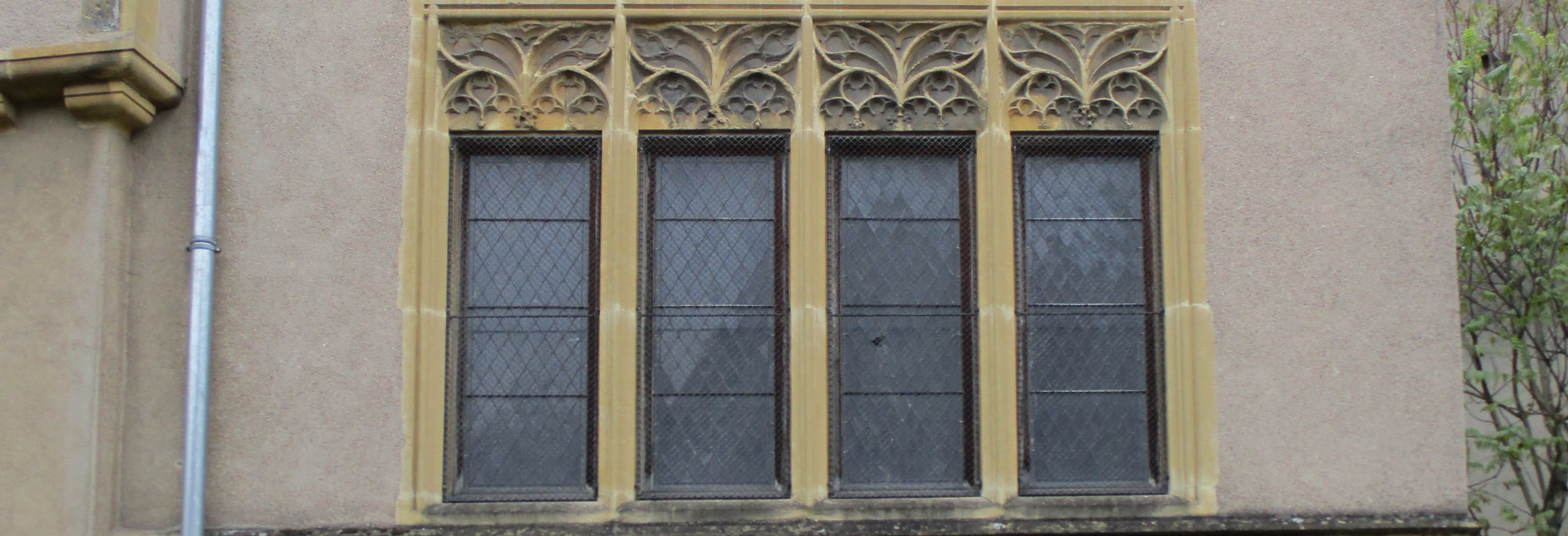
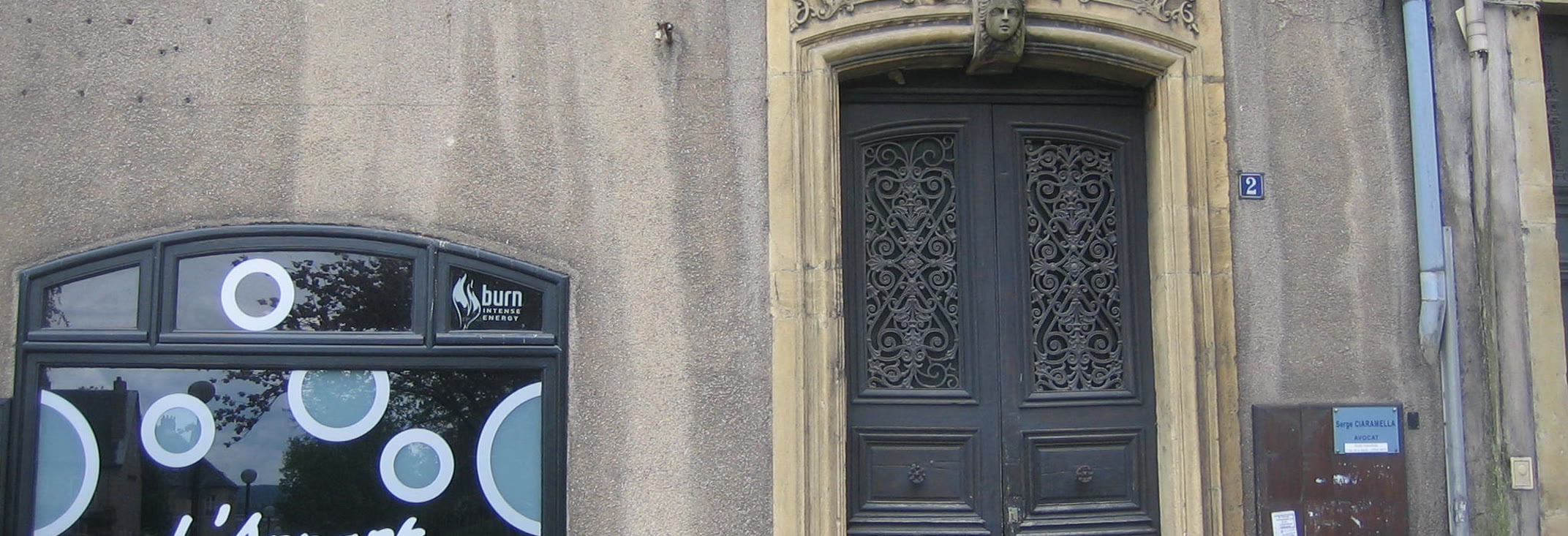
From the street, the facades remain plain, with narrow windows framed in dressed stone. Inside is richer: a round-arched cloister, a long gallery, chapter rooms, a grand staircase and refectories with Corinthian capitals, still in use for meals. A seven-sided vault was devised to fit a fireplace, and a room carved with fish probably served for receptions. Above the door to the courtyard, a line by the poet Ausonius recalls that the muses have their amusements too. These spaces belong to a working school, so they open only on rare occasions.
Practical information
Address: Lycée Fabert, 12 rue Saint-Vincent, 57000 Metz
Frequently asked questions
Is this monument protected?
The neighbouring former abbey church has been a classified historic monument since 1930. We found no protection record for the school's monastic buildings.
Can you visit the former Saint-Vincent Abbey, and what can be seen from outside?
Not ordinarily, because the buildings house a working school. A guided tour was offered for the 2022 Heritage Days, so check the programme each year. From the street, you see plain facades next to the former abbey church.
Where should you stay to discover this Îles district?
Choose the centre around the cathedral to stay within walking distance, or the Imperial quarter if you arrive at the station. Staylaro's guide « Se loger à Metz » then lets you compare areas and search for accommodation.
How do you find the Lycée Fabert and the former abbey?
The Lycée Fabert is at 12 rue Saint-Vincent, in the Îles district, close to the Opéra-Théâtre and the prefecture. You can walk there from the cathedral and combine the stroll with the neighbouring basilica.
Wikimedia Commons — M.Strīķis