Parc Sainte-Marie, a large garden in the south-west
In the south-west of Nancy, the Sainte-Marie park spreads out its broad lawns, majestic trees and English-style paths. A legacy of the 1909 International Exhibition of Eastern France, this peaceful garden charms families, runners and lovers of fine trees.
A park born of a great exhibition
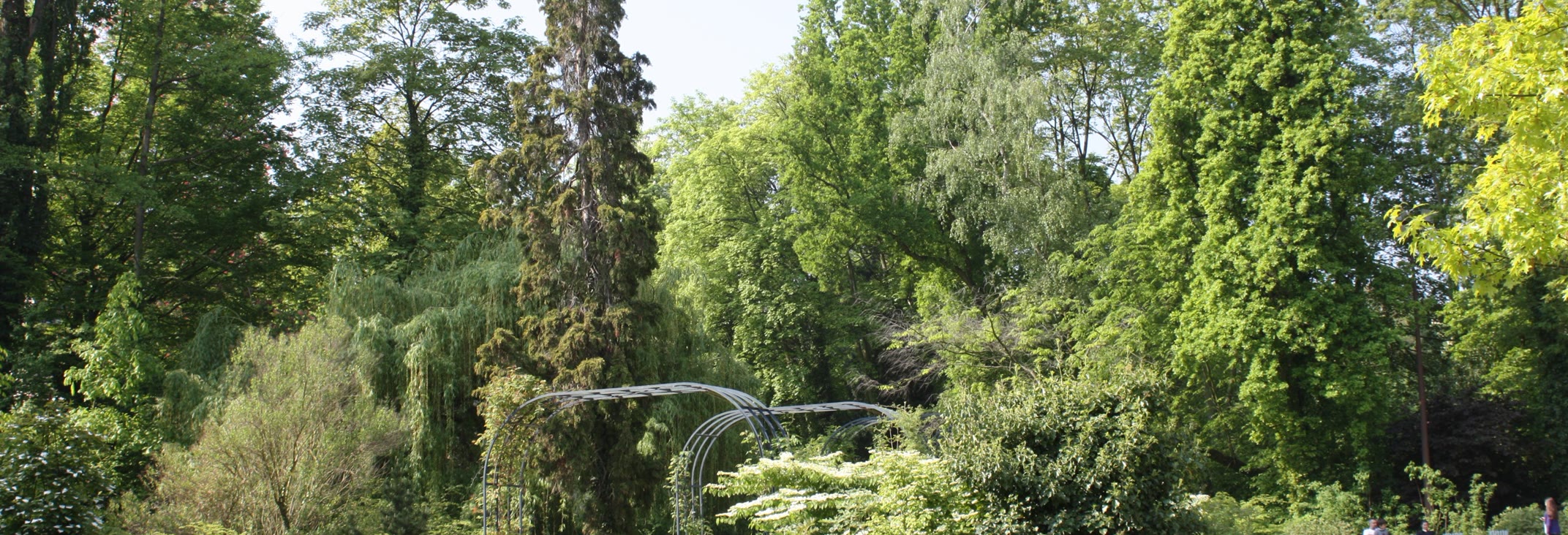
The City of Nancy acquired the land in 1904 and laid it out as a public garden. But it was in 1909 that the park entered history: from May to November it hosted the International Exhibition of Eastern France, drawing nearly half a million visitors. From that founding event the park kept several relics: the picturesque Alsatian house, the mound with its rockery, a pond and a bandstand. Scattered among the trees, these features give the place a slightly old-fashioned charm, halfway between a pleasure garden and an early-20th-century exhibition setting.
Breathtaking remarkable trees
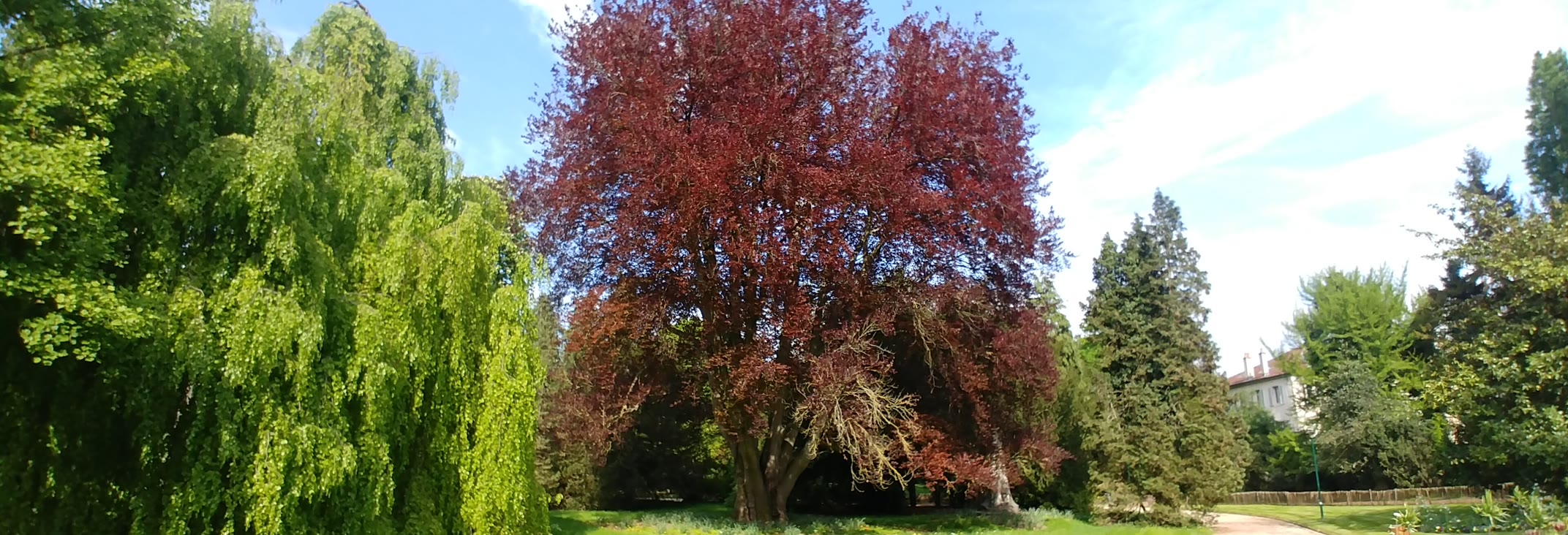
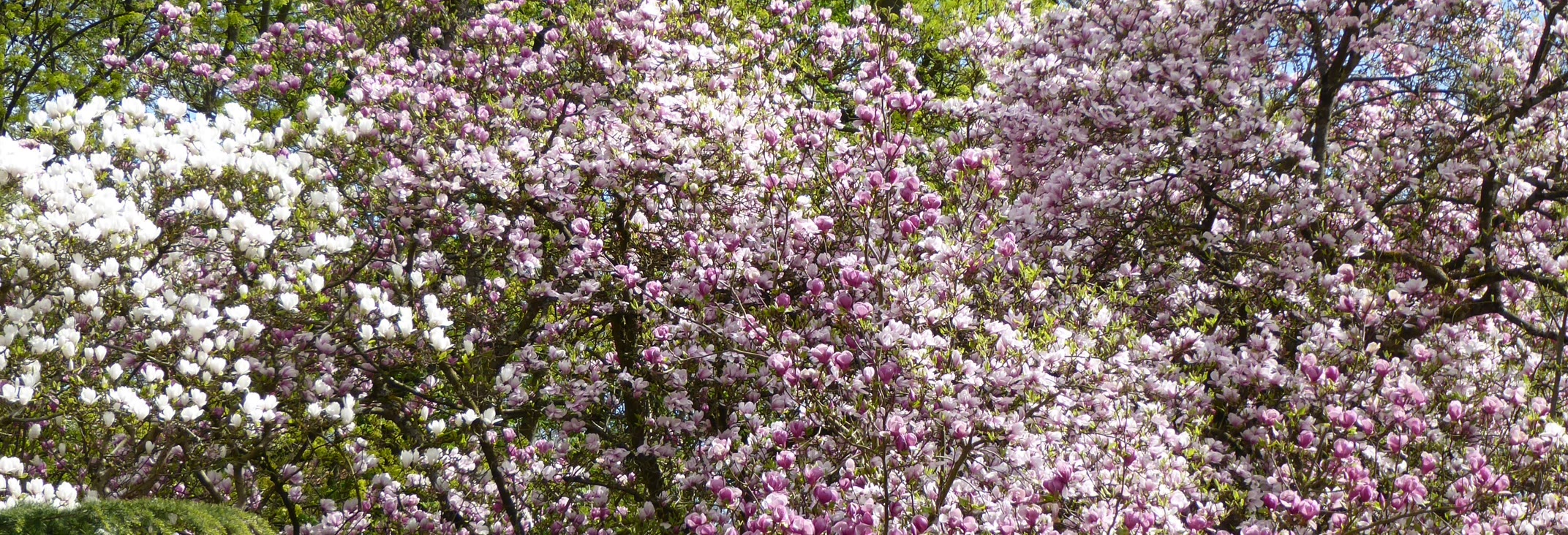
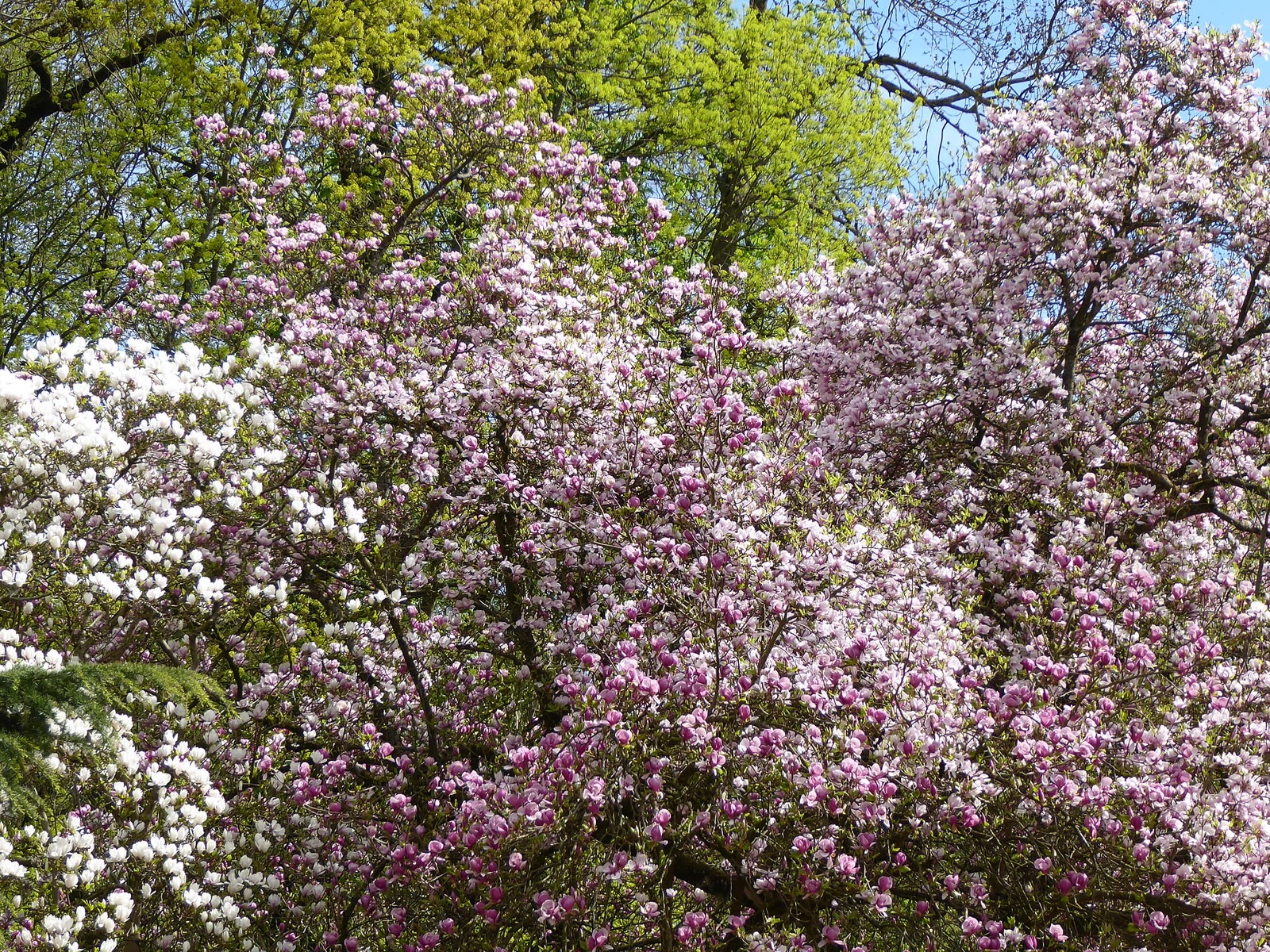
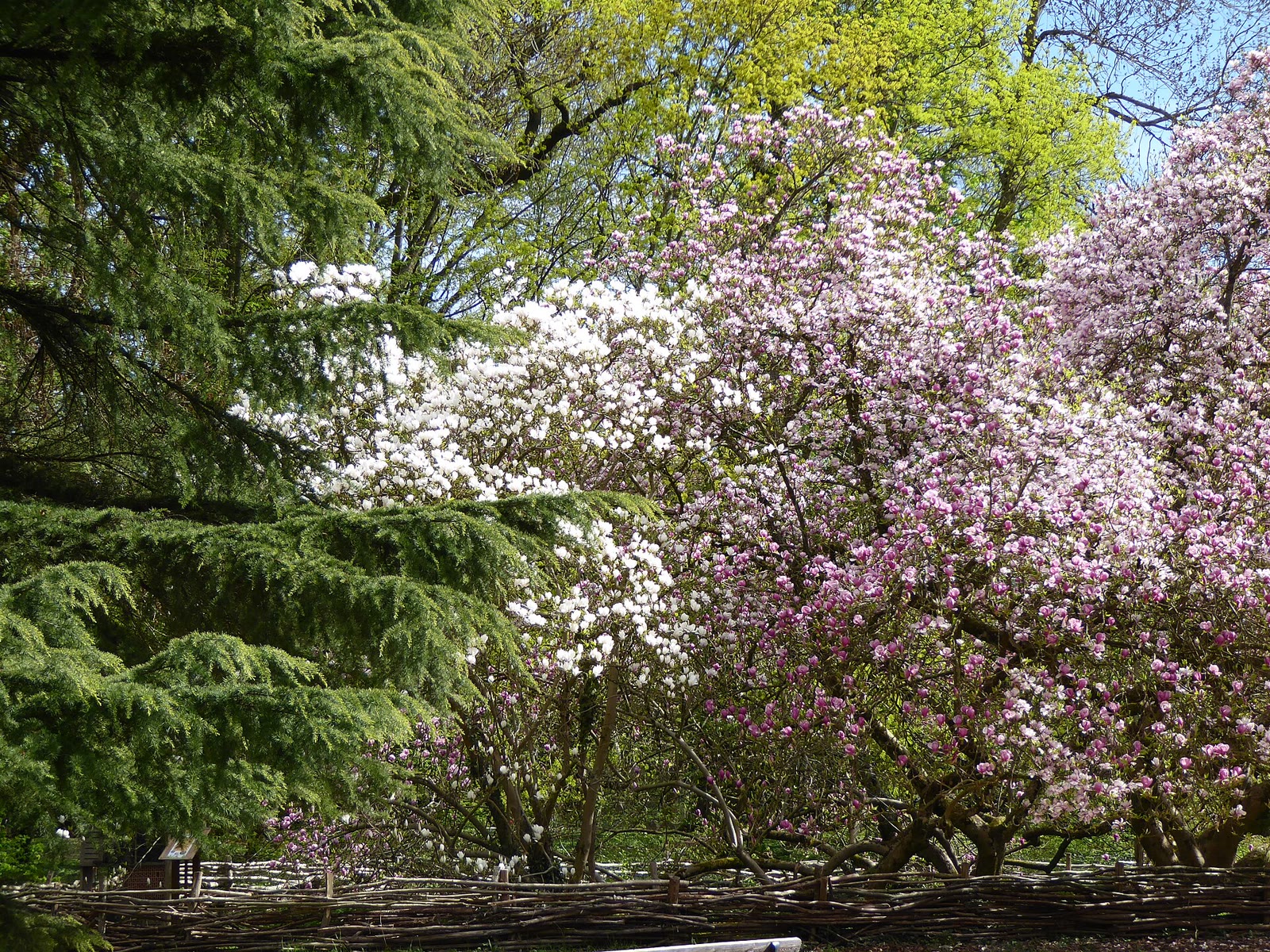
The Sainte-Marie park is a true open-air arboretum. You can admire species from afar such as weeping sequoias, tulip trees and tall cedars, as well as superb oaks — the emblem of the place — whose trunks and bark alone are worth the visit. A Soulange magnolia planted back in 1909 even received the 'Remarkable Tree of France' label in 2014. This living heritage echoes the École de Nancy: it was this foliage, these flowers and these silhouettes that fed the imagination of the Art Nouveau artists. A simple walk quickly turns into a botany lesson.
An English garden for wandering
Inspired by English gardens, the Sainte-Marie park plays on curves, perspectives and large rolling lawns. You wander without a set route, following paths that wind between groves and flowerbeds, with the feeling of an early-1900s garden preserved from time. It is a dream spot to read in the shade, spread a blanket on the grass or let the children run free. The place is often calmer and more low-key than the city-centre Pépinière: ideal for a green pause away from the bustle, while enjoying an exceptional plant setting.
For families and for sport
The Sainte-Marie park is a great favourite with local families. Children find play areas and vast spaces to burn off energy, while the large lawns happily host balls, kites and impromptu snacks. Runners enjoy its shaded paths for a quiet jog. In fine weather the park becomes a meeting place for a picnic with friends or a bit of sun. It is also a good starting point to explore the surrounding neighbourhood, marked by Art Nouveau, with several remarkable villas hidden in the nearby streets.
Access and practical info
The park is on Avenue Boffrand, in the south-west of Nancy, away from the historic centre but easily reached by bus or bike, and a few minutes by tram or car. Entry is free; as with the other municipal parks, hours vary by season, with a later closing in summer. Bring good shoes to walk the wide paths and, in summer, a hat and water. It makes a fine stop within a day devoted to Art Nouveau and the residential districts of Nancy.


Infos pratiques
Adresse : Avenue Boffrand - Avenue Maringer, 38BIS Avenue du Maréchal Juin, 54000 Nancy
Questions fréquentes
Is entry to the Sainte-Marie park free?
Yes, like most of Nancy's municipal parks, access is entirely free.
What remains of the 1909 Exhibition?
The park kept several relics of the International Exhibition of Eastern France: the Alsatian house, the mound with its rockery, a pond and a bandstand.
Is the park suitable for children?
Yes: play areas and vast lawns for running and playing ball make it a much-loved family outing, in a calmer setting than the city centre.
Which trees should you go and see?
Look for the emblematic great oaks, the weeping sequoias, the tulip trees, the cedars and above all the Soulange magnolia planted in 1909, listed as a Remarkable Tree of France.
How do you get there from the centre?
The park is on Avenue Boffrand, in the south-west of the city. It is easily reached by bus, bike or tram, or a few minutes' drive from the centre.
Wikimedia Commons — Musicaline · Wikimedia Commons — H Grandemange · Wikimedia Commons — Liné1