The Fine Arts Museum, from Rubens to the Daum collection
Set in an 18th-century pavilion on the prestigious Place Stanislas, the Museum of Fine Arts of Nancy unfolds a panorama of European art from the 14th century to today. Rubens, Caravaggio, Delacroix, Manet and Picasso rub shoulders with a unique Daum glass collection, displayed underground among the city's old fortifications.
A jewel box on Place Stanislas
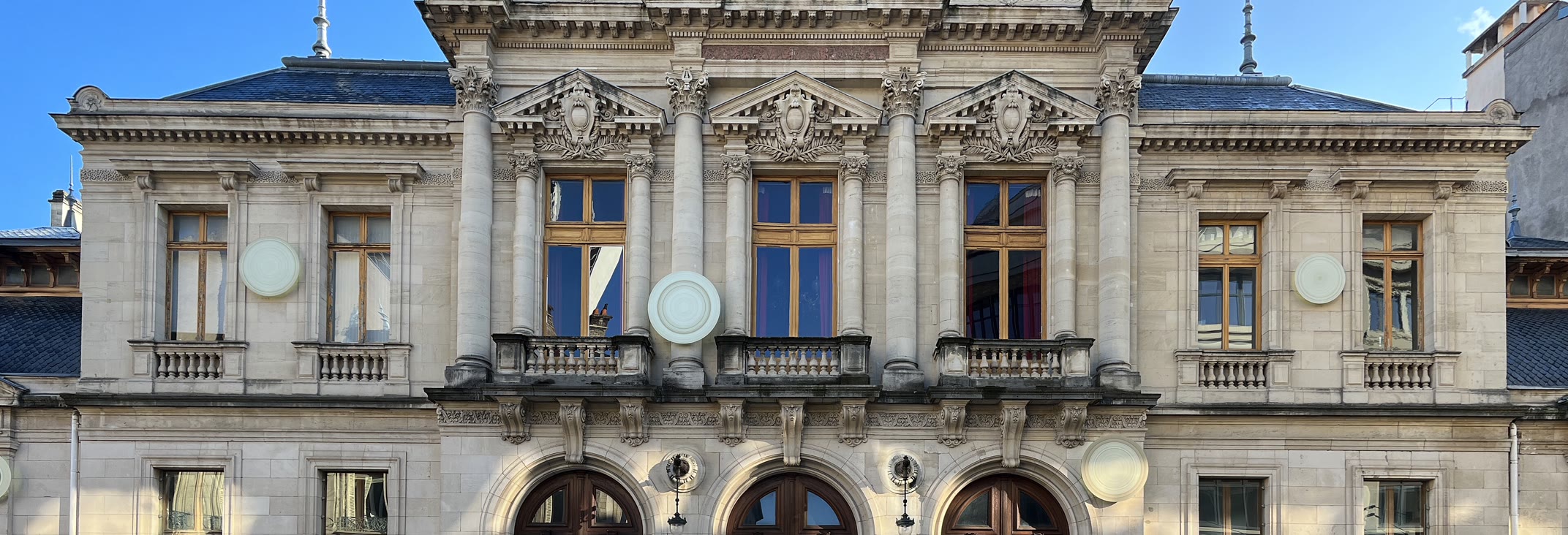
The museum occupies one of the pavilions designed in the 18th century by architect Emmanuel Héré for King Stanislas, within an ensemble listed as a UNESCO World Heritage Site. Founded in 1793, it is one of the oldest museums in France. Behind its classical facade, the interior blends historic rooms with a contemporary glass-and-stone extension that opens fine views over the square. Even before stepping inside you sense the significance of the place: here the setting matches the collection, and the visit naturally extends a stroll across one of Europe's most beautiful squares.
Seven centuries of European painting
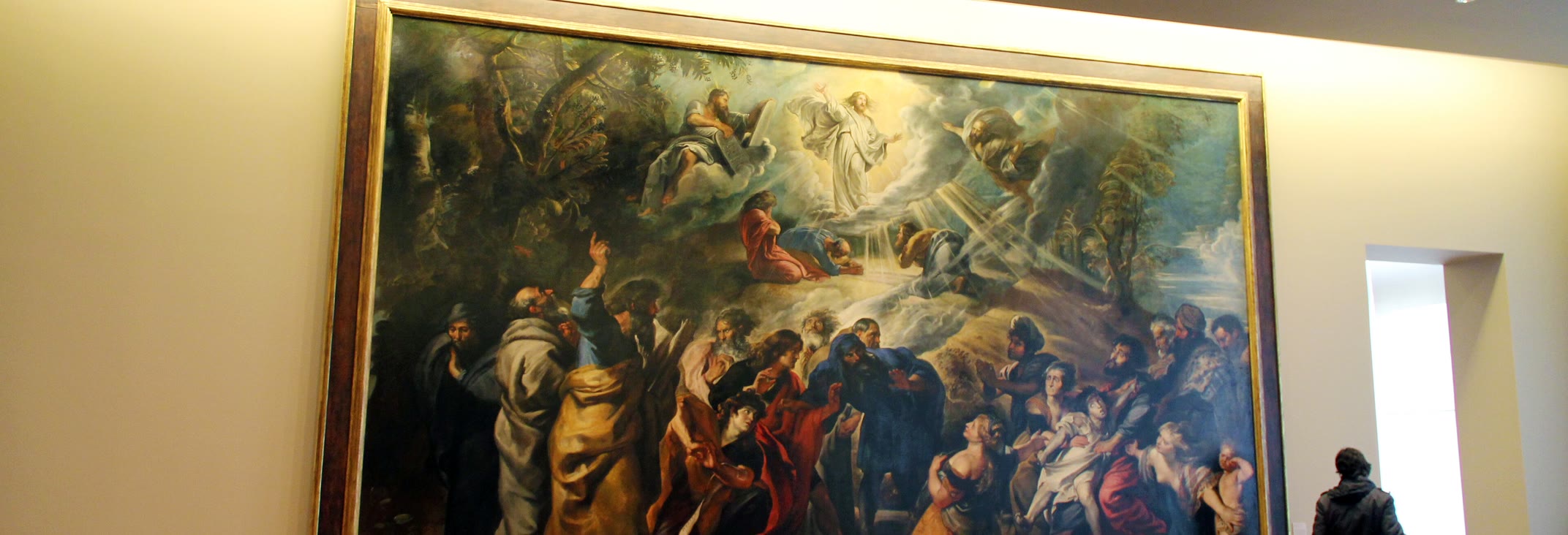
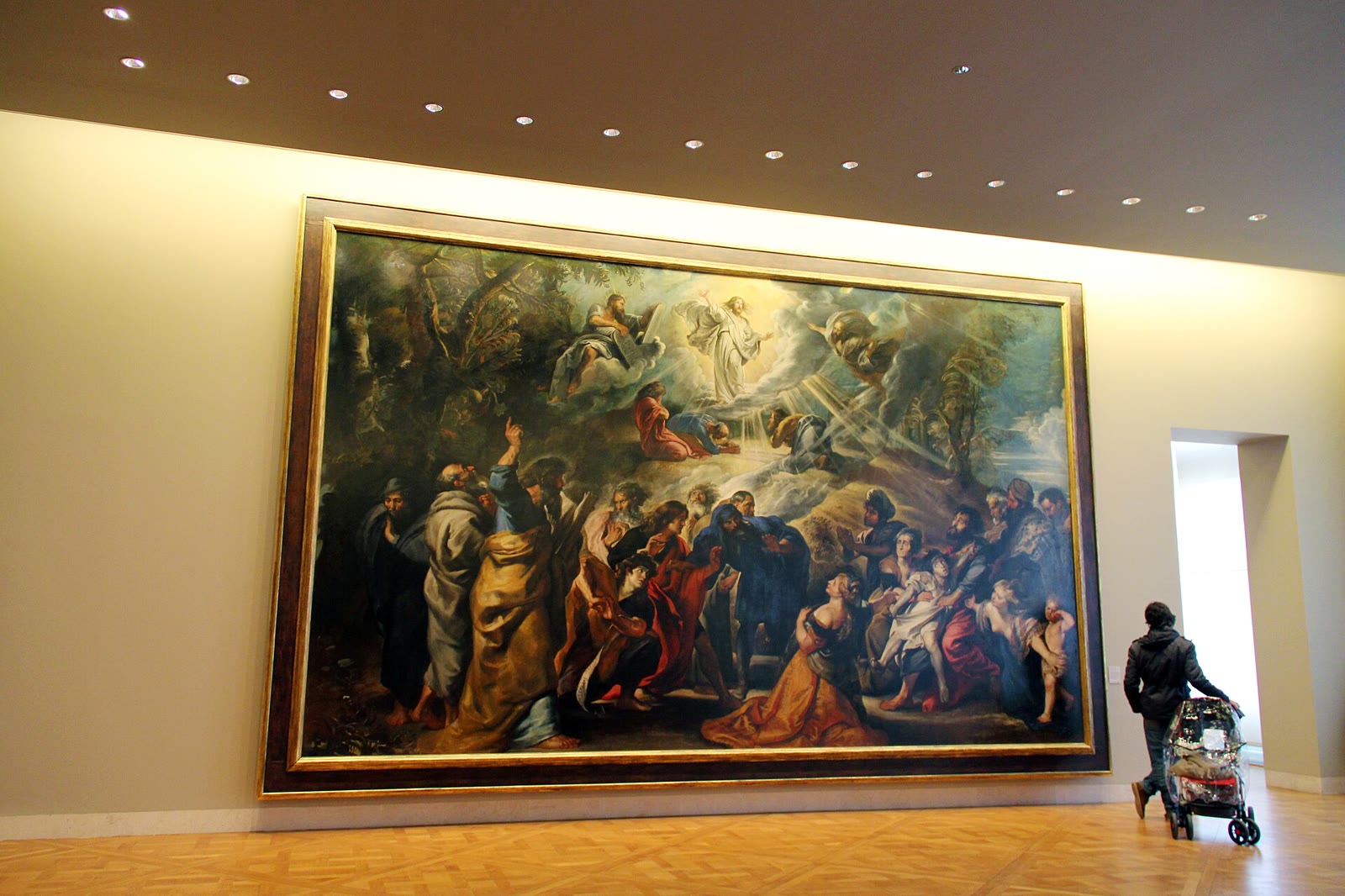
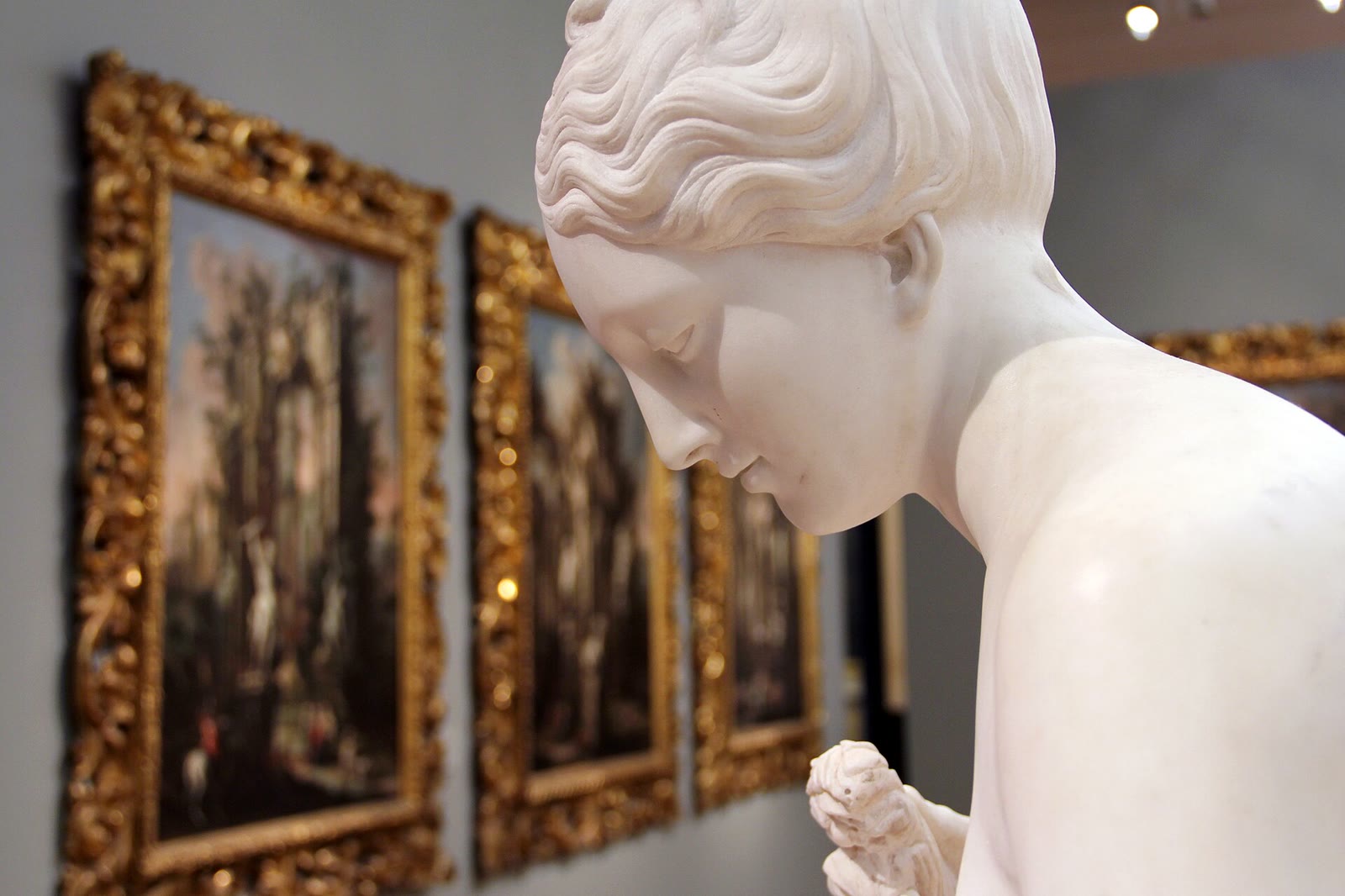
The route spans art from the 14th to the 21st century. The Northern school shines with three canvases by Rubens, including an immense Transfiguration; Italy answers with Caravaggio and the Baroque masters. Romanticism peaks in Delacroix's Battle of Nancy, the painter's first official commission, given to the museum by Charles X. Further on appear Manet, Monet, then Picasso and Modigliani. Sculpture is not forgotten, from Duchamp-Villon to César, nor is graphic art, with etchings by the Lorraine-born Jacques Callot and caricatures by Grandville. A concentrated history of art at eye level.
The Daum collection in the fortifications
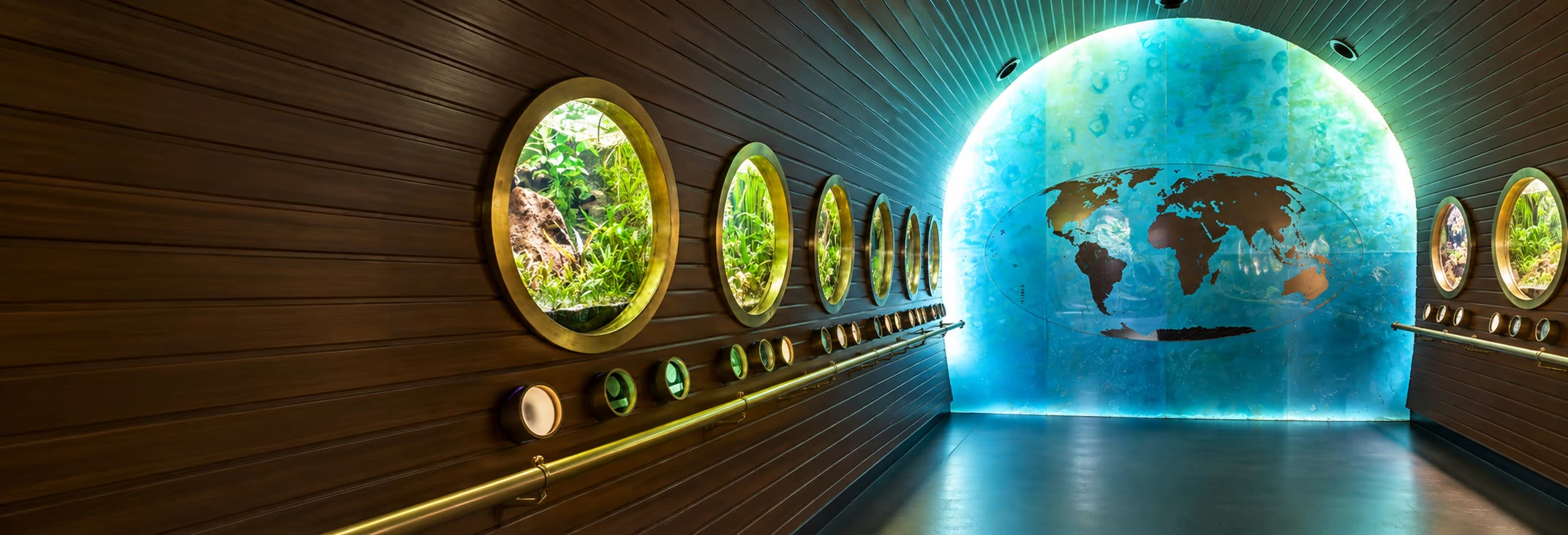
The highlight of the visit hides in the basement. Going down, you discover the remains of Nancy's fortifications, walls and bastions from the 15th to 17th centuries unearthed during the works. In this raw-stone setting shines the exceptional collection of the Daum manufactory: vases, bowls and lamps in glass and crystal, from Art Nouveau to contemporary design. The contrast between the mineral roughness and the delicacy of the iridescent pieces is striking. This staging, unique in France, is reason enough to visit for lovers of glassware and decorative arts.
Nancy, land of painters
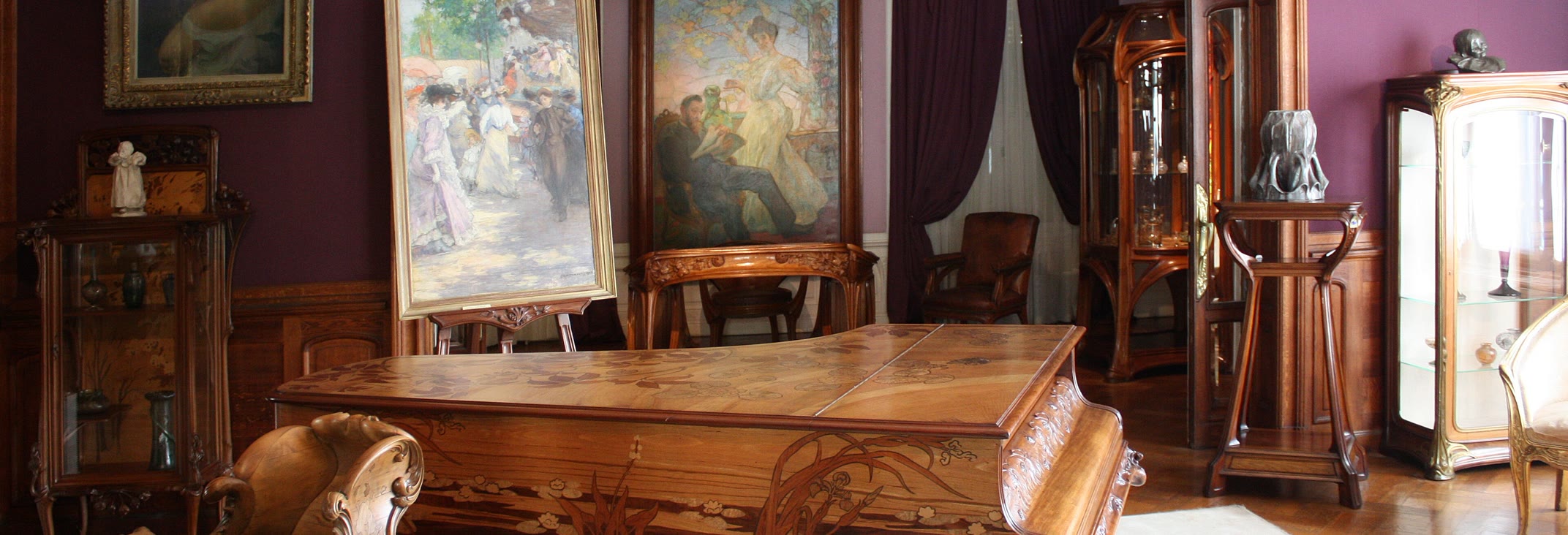
The museum gives pride of place to artists tied to Lorraine. Here you can admire Claude Gellée, known as Le Lorrain, a 17th-century master of luminous landscape, and above all Émile Friant, a local son whose realistic late-19th-century scenes, such as All Saints' Day, move viewers with their precision. This regional thread helps explain why Nancy was, around 1900, a major artistic hub, fertile ground where the School of Nancy and Art Nouveau would soon flourish. A way of connecting the museum to the city's creative identity.
Tips for your visit
Allow about an hour and a half to two hours to explore the four levels without rushing. Start with the basement and the Daum collection, usually quieter early in the day, then work your way up chronologically. The museum opens daily except Tuesday; admission is free for everyone on the first Sunday of the month. On the way out, Place Stanislas, the Héré Arch and the Pépinière park round off the day perfectly. A combined ticket or pass can be worthwhile if you also visit the Museum of the School of Nancy.

.jpg?width=1600)
.jpg?width=1600)
Infos pratiques
Adresse : CO N°1, 3 Place Stanislas, 54000 Nancy
Questions fréquentes
What are the opening hours of the Museum of Fine Arts of Nancy?
The museum is open daily except Tuesday, from 10am to 6pm. It is closed on 1 January, 1 May, 14 July, 1 November and 25 December.
Is the museum free on the first Sunday of the month?
Yes. Like the other municipal museums of Grand Nancy, admission is free for everyone on the first Sunday of each month. The full rate is around €7.50, with reductions depending on exhibitions.
How much time should I plan for the visit?
Allow about an hour and a half to two hours to see all the collections and the Daum collection in the basement, more if there is a temporary exhibition.
What is there to see near the museum?
The museum opens directly onto Place Stanislas, a UNESCO site. Nearby are the Héré Arch, Place de la Carrière, the cathedral and the Pépinière park.
Can you see works by Rubens and Delacroix?
Yes. The museum holds three canvases by Rubens, including a large Transfiguration, and Delacroix's Battle of Nancy, the painter's first official commission, given by Charles X.
Wikimedia Commons — Karlavidal · Wikimedia Commons — Jean-Pierre Dalbéra from Paris, France