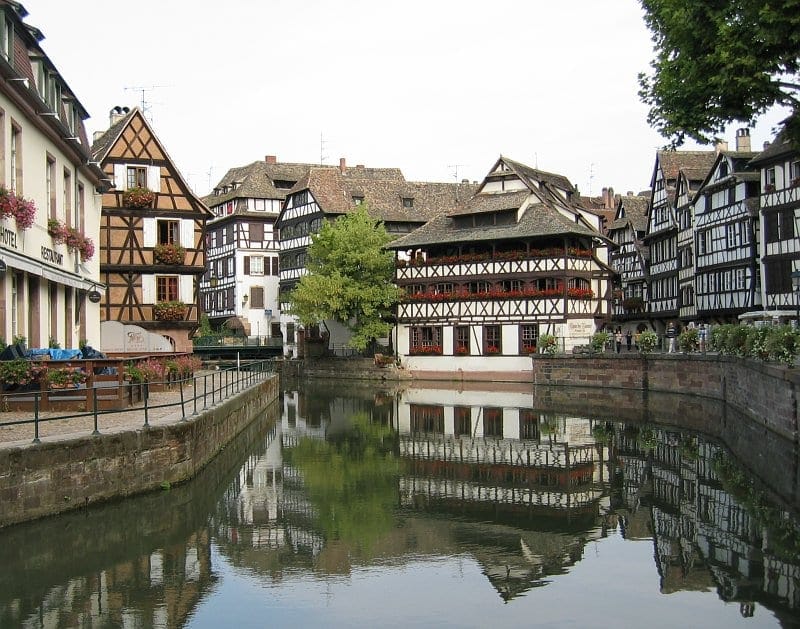
Grande Île of Strasbourg
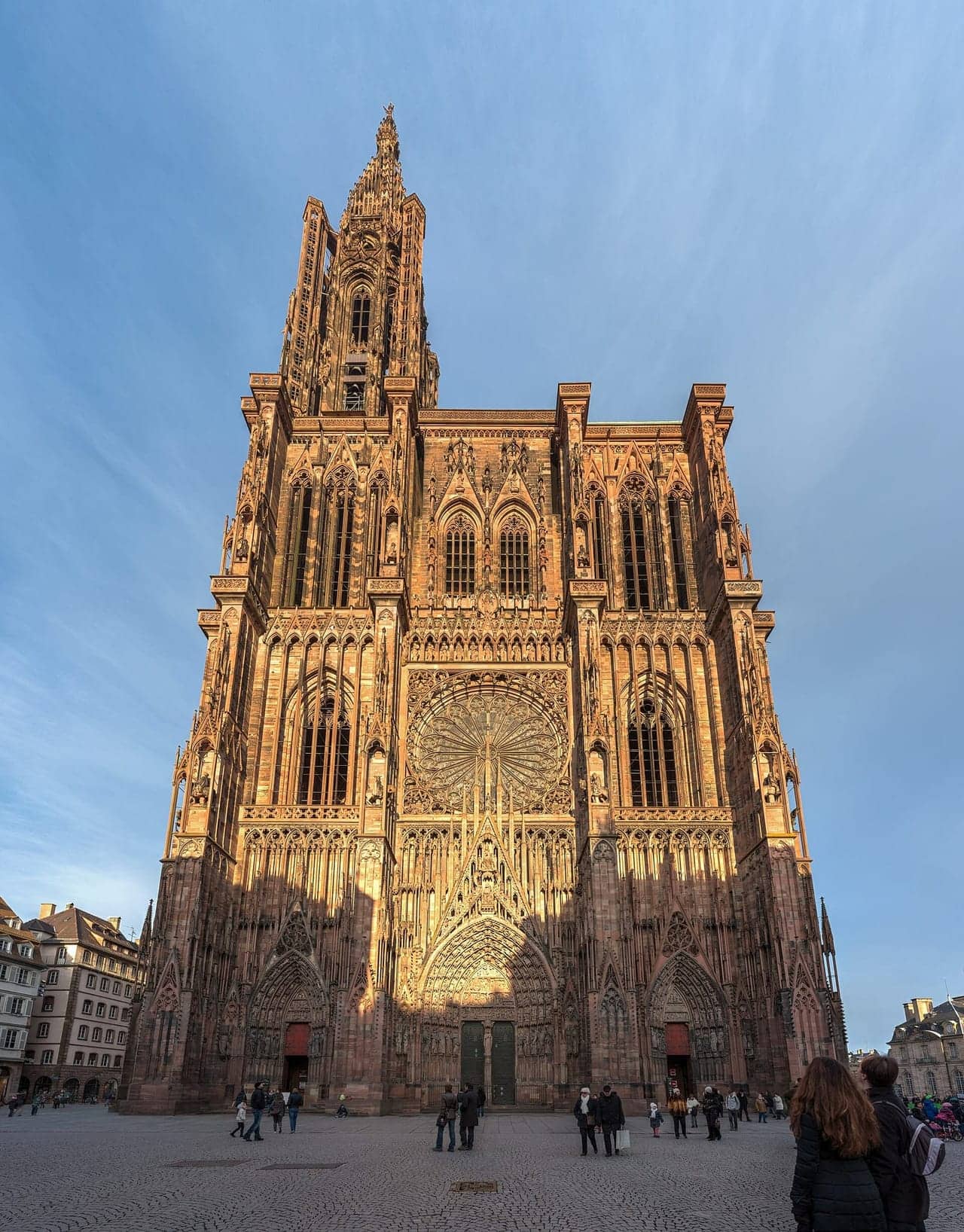
The Grande Île is Strasbourg's historic heart, an island hemmed in by the Ill to the south and the Faux-Rempart canal to the north. Inscribed as a UNESCO World Heritage site in 1988, it brings together the cathedral, the Palais Rohan, the Maison Kammerzell, St Thomas' Church and the great squares of Place Kléber and Place Gutenberg. It is where any discovery of the city begins.
An island at the heart of the city
Strasbourg's old centre is an island: the Ill runs along its south side, while the Faux-Rempart canal closes off the north. That setting explains the dense buildings, narrow lanes and many bridges linking the island to neighbouring districts. On foot you move in minutes from a bustling square to a quiet quay. Most of the city's great monuments are packed into this compact area.
From 1988 to the Neustadt: World Heritage
The whole of the Grande Île has been a UNESCO World Heritage site since 1988. In 2017 the listing was extended to the Neustadt, the district built to the north-east in the German period, under the title 'Strasbourg, Grande-Île and Neustadt'. Don't confuse the Grande Île with Petite France: the latter is a specific quarter, home of the old tanners, millers and fishermen to the west, which lies within the inscribed area but makes up only a small part of it.
Cathedral, palaces and half-timbered houses
At the centre stands Notre-Dame Cathedral, flanked by the carved façades of the Maison Kammerzell and by the Palais Rohan, the former residence of the prince-bishops, now a museum. Further west, St Thomas' Church watches over the area that slopes down to Petite France. Between these landmarks run streets lined with half-timbered houses, mansions such as the Hôtel de Hanau and later buildings such as the Aubette on Place Kléber.
Place Kléber, Place Gutenberg and the Ponts Couverts
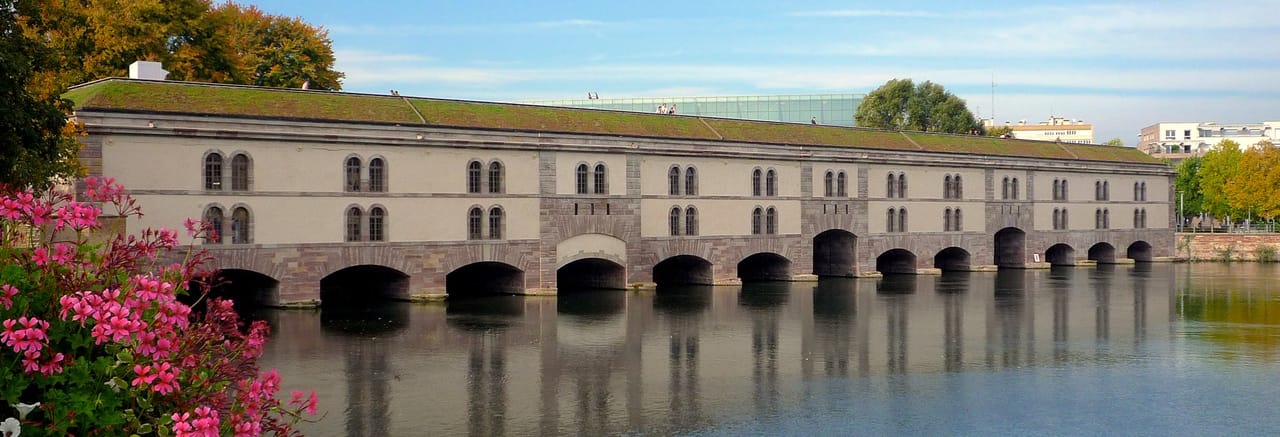
Place Kléber, the city's main square, is lined by the Aubette; Place Gutenberg brings together the Neue Bau and the statue of the inventor of printing. On the west side of the island, the Ponts Couverts and their medieval towers are best seen from the terrace of the Vauban Dam. A good route runs from Place Kléber to the cathedral, then down to St Thomas' and Petite France. Allow a day to enjoy it unhurriedly, with a visit to one or two museums.
Frequently asked questions
What is the Grande Île of Strasbourg?
It is the city's historic centre, an island bounded by the Ill to the south and the Faux-Rempart canal to the north. It is home to the cathedral, the Palais Rohan, the Maison Kammerzell and Place Kléber and Place Gutenberg.
Are the Grande Île and Petite France the same thing?
No. The Grande Île refers to the whole historic area inscribed by UNESCO in 1988. Petite France is one particular quarter to the west, with its canals and tanners' houses, included within that area.
How long should I allow to visit the Grande Île?
Half a day is enough for a first walking loop between Place Kléber, the cathedral and Petite France. Allow a full day to climb the cathedral platform and visit the museums in the Palais Rohan.
What is worth seeing beyond the Grande Île?
The Neustadt, to the north-east, with the Palais du Rhin and Place de la République, has extended the UNESCO site since 2017. Along the Ill, St Paul's Church and, to the south, the Great Mosque show other sides of the city.
Wikimedia Commons — de:Benutzer:FloSch