Champmol Charterhouse
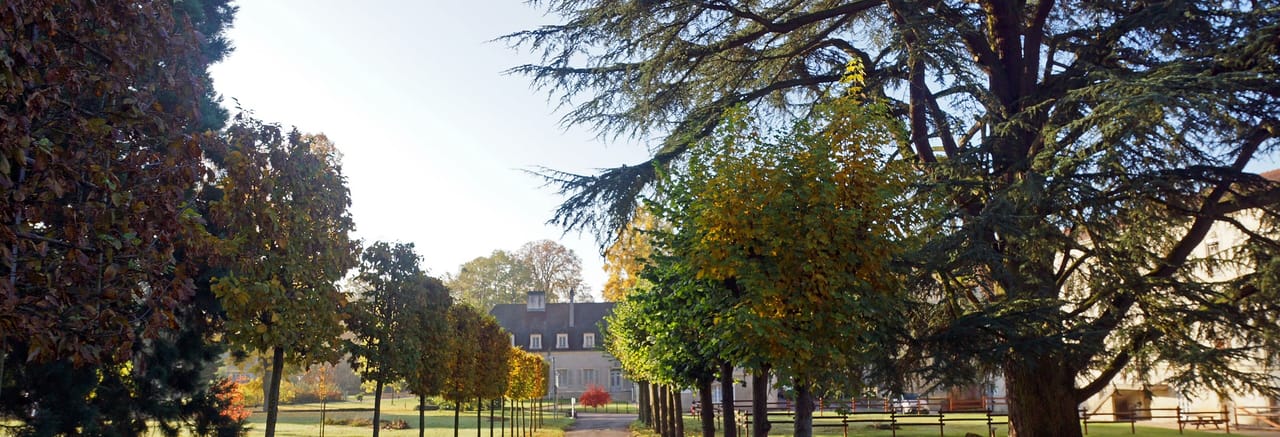
The Champmol Charterhouse was founded in 1383 by Duke Philip the Bold, on the western edge of Dijon, as the burial place of the Dukes of Burgundy. Only the chapel portal and the Well of Moses survive, within the grounds of the La Chartreuse hospital. The site bears witness to late medieval court art.
A ducal necropolis planned by Philip the Bold
Philip the Bold launched the works in 1378 on an estate at Champmol, then outside Dijon. The first stone of the church was laid on 20 August 1383 and the building was consecrated in May 1388. The duke wished to be buried there with his successors, which made the charterhouse a major artistic project entrusted to the best sculptors and painters of the court.
What the Revolution swept away
Church property was placed at the disposal of the Nation in 1789, and religious congregations were suppressed in 1790. The Carthusians were expelled in April 1791 and the buildings, sold that same year, were used as a quarry: the church and most of the structures disappeared. The dukes' tombs were saved and are now displayed in the Museum of Fine Arts in the Palace of the Dukes.
The chapel portal
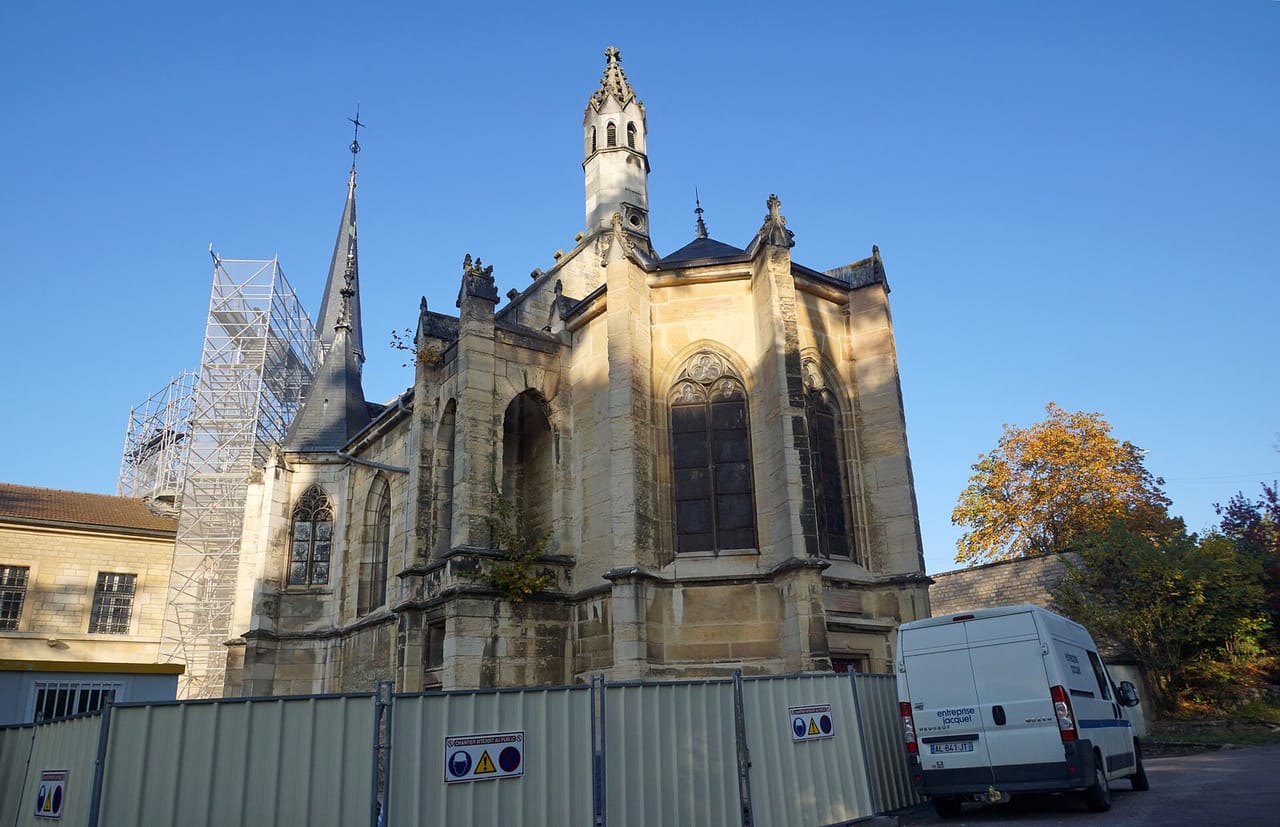
The chapel portal is attributed to Drouet de Dammartin and Jean de Marville; Claus Sluter probably added the figures of the dukes and saints. It was incorporated into the hospital chapel by the architect Pierre-Paul Petit. Together with the Well of Moses, it is one of the few elements of the ducal church that remain on site.
From monastery to hospital
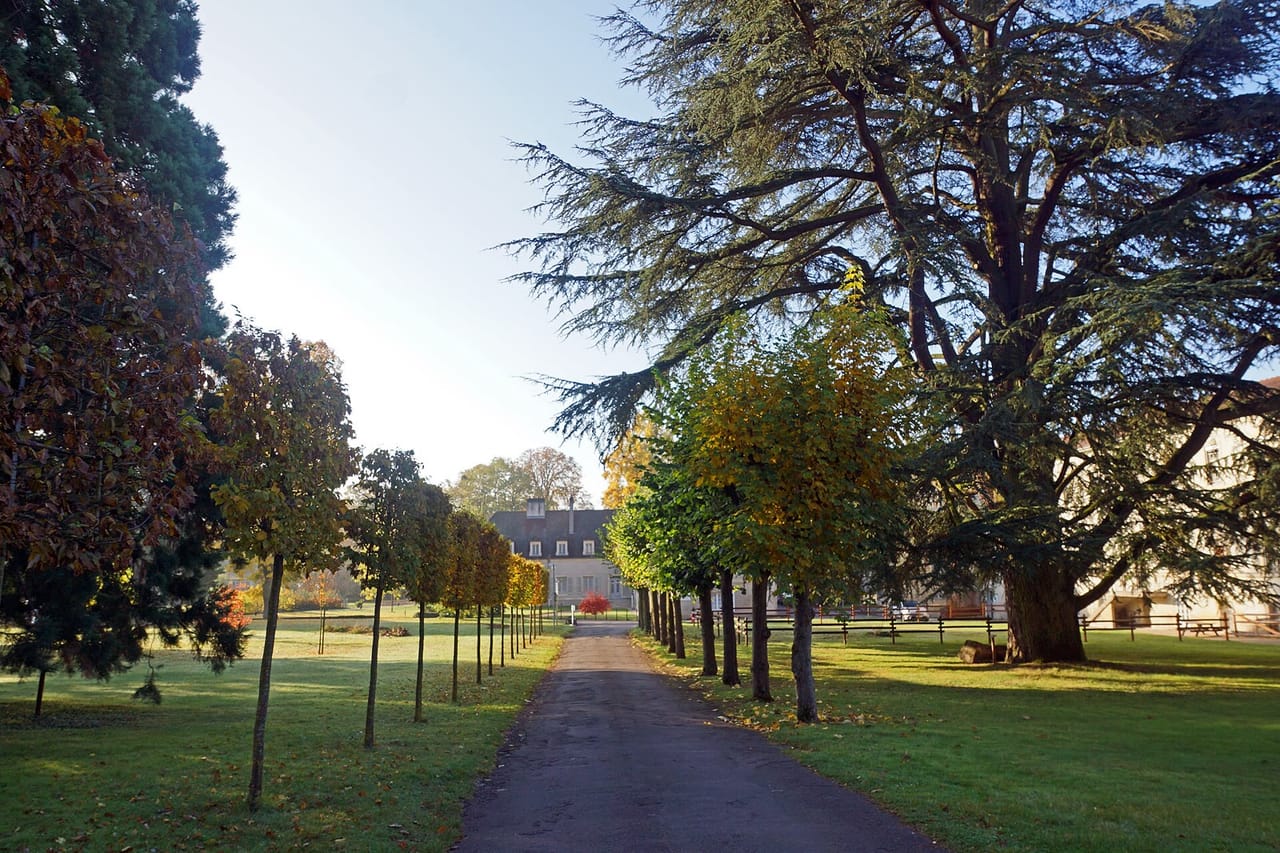
In 1833 the département of Côte-d'Or bought the site to set up an asylum, which opened on 1 January 1843. Today it is the La Chartreuse hospital centre, specialising in psychiatry. The remains are therefore visited within a working care facility: come discreetly and without disturbing daily life there.
Frequently asked questions
Where is the Champmol Charterhouse?
West of Dijon's centre, within the grounds of the La Chartreuse hospital.
What remains of the charterhouse?
The chapel portal and the Well of Moses, Claus Sluter's masterpiece, both protected as historic monuments.
Where can you see the dukes' tombs?
In the Museum of Fine Arts of Dijon, inside the Palace of the Dukes of Burgundy.
Wikimedia Commons — Allie_Caulfield