Palace of the Dukes and Estates of Burgundy
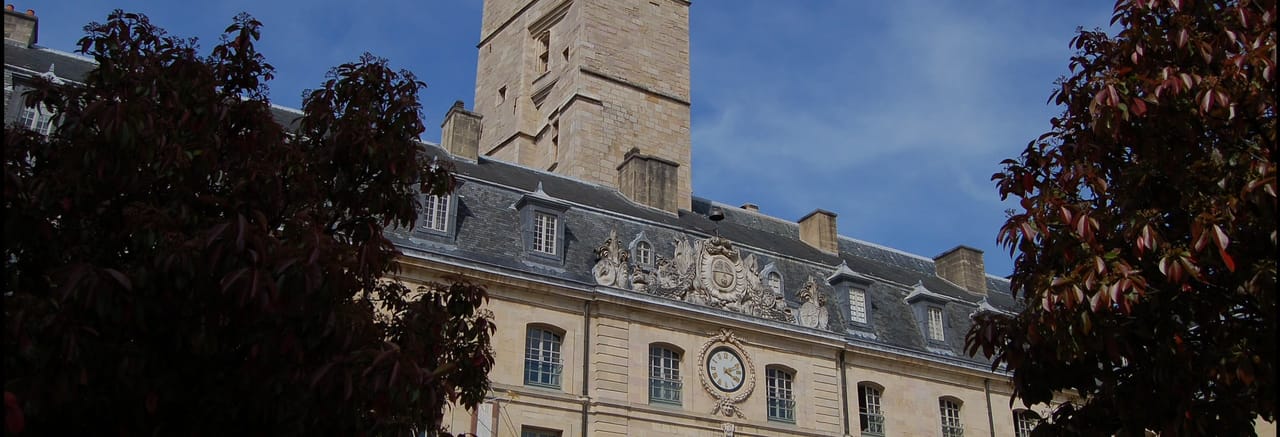
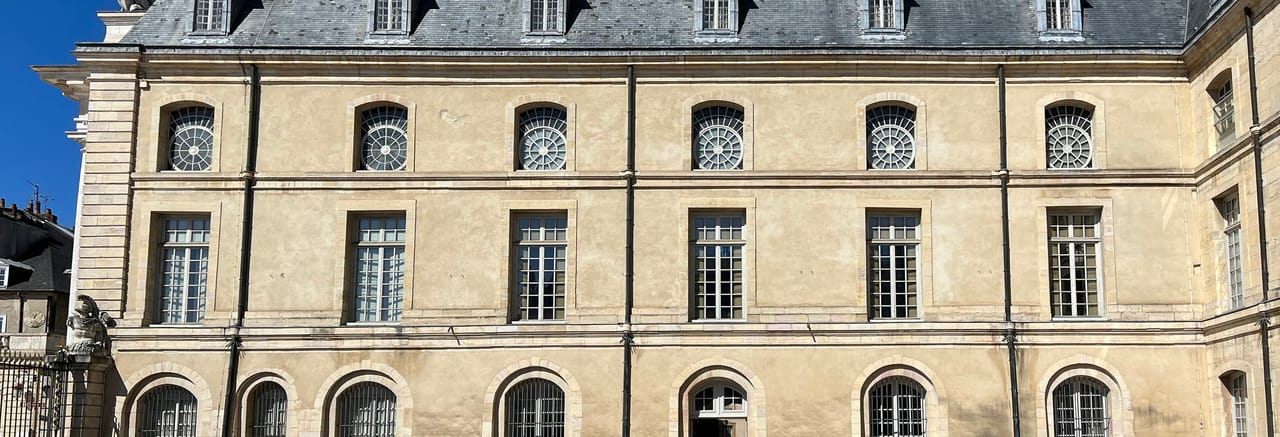
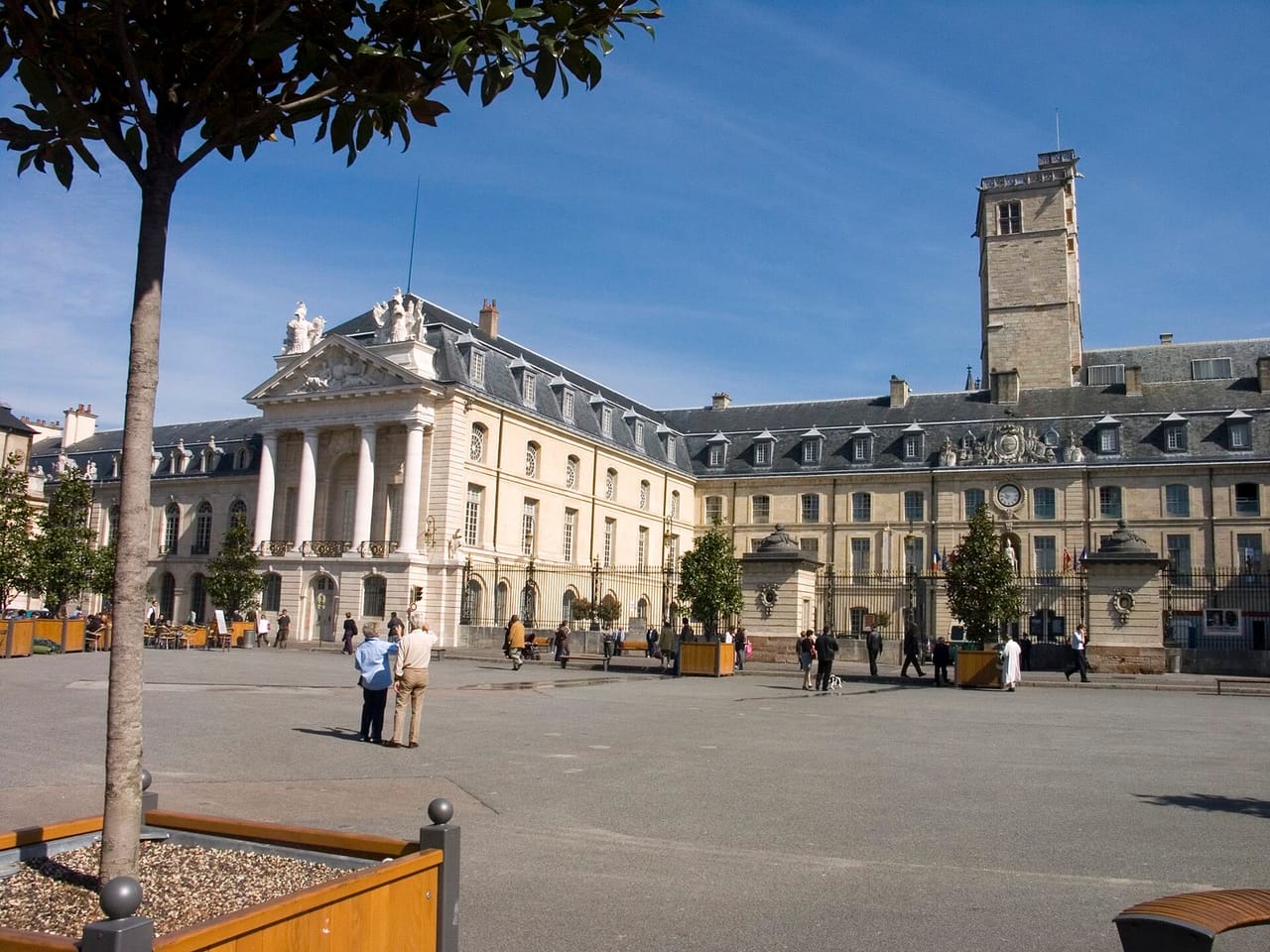
The Palace of the Dukes opens onto Place de la Libération in the heart of Dijon. Behind its classical front lie Gothic remains from the 14th and 15th centuries, including the ducal kitchens and the Philippe le Bon tower. Today it houses the town hall and the Museum of Fine Arts.
From ducal lodging to classical palace
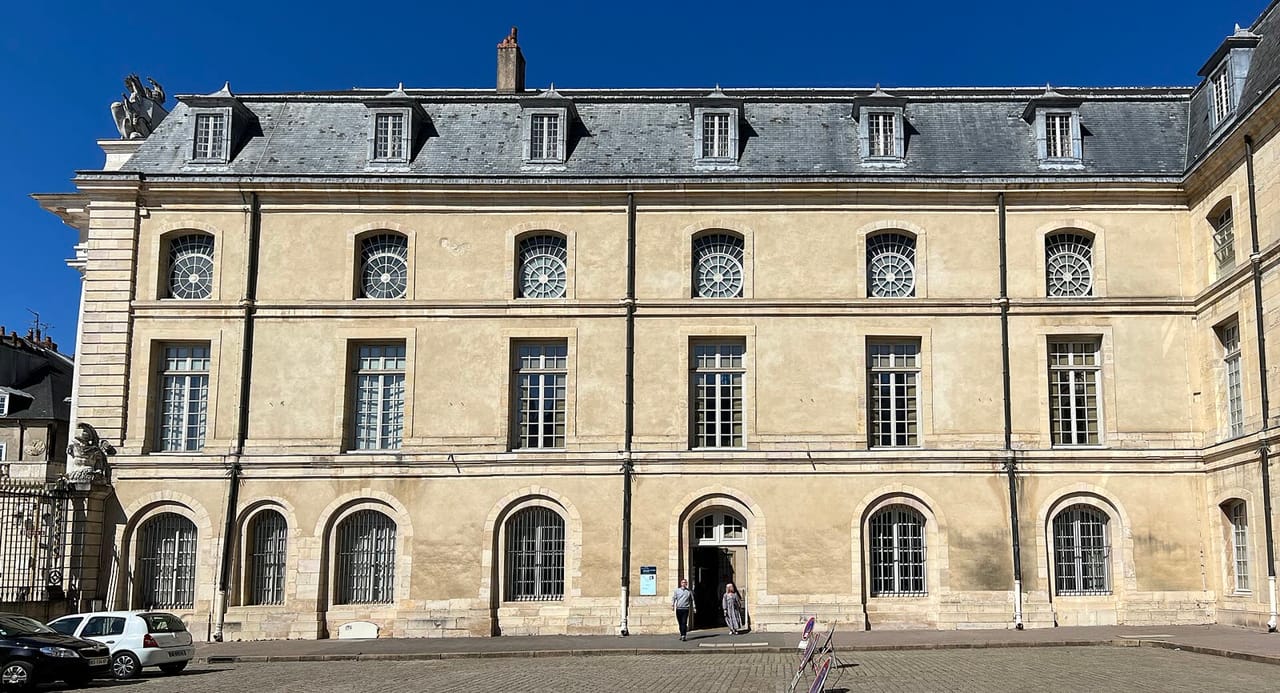
The palace is a set of interlocking parts. The oldest is the Gothic ducal palace of the 14th and 15th centuries, with a main lodging, the kitchens and two towers. Most of what you see, however, dates from the 17th and 18th centuries, when it became a royal residence and the seat of the Estates of Burgundy. Nearly a thousand years of political life give the whole a rare unity.
A royal square by Hardouin-Mansart
The former royal square was designed by Jules Hardouin-Mansart around 1685 and is now called Place de la Libération. Fountains by Jean-Michel Wilmotte were installed there in 2005-2006. The café terraces around the square invite you to look up at the façade, with the Philippe le Bon tower rising above the roofs.
Philippe le Bon's ducal kitchens
Rebuilt by Philip the Good in 1433, the kitchens form a large square hall, 12 metres on each side, with double fireplaces and eight supporting columns. They remind you that the Burgundian court was also a matter of banquets. They can be seen from the Cour de Bar, in the medieval part of the palace.
Town hall and museum under one roof
Dijon's town hall moved in in 1831. The Museum of Fine Arts occupies part of the palace; its front on Place de la Sainte-Chapelle dates from the 19th century, built where the Sainte-Chapelle was destroyed in 1802. The museum was renovated and extended from 2008 to 2012. The whole is a listed historic monument, a first part as early as 1862.
Practical information
Address: Place de la Libération, 21000 Dijon
Frequently asked questions
Where is the Palace of the Dukes of Burgundy?
On Place de la Libération, right in the centre of Dijon, surrounded by pedestrian streets.
Why is it famous?
It was the residence of the Dukes of Burgundy and later the seat of the Estates of Burgundy, and it keeps medieval parts such as the ducal kitchens and the Philippe le Bon tower.
Can you visit it?
The Museum of Fine Arts and the Philippe le Bon tower can be visited; the town hall remains an administrative building. Ask the tourist office before you come.
What is nearby?
Notre-Dame church, Rue des Forges and the Hôtel Aubriot are a few minutes' walk away.
Wikimedia Commons — Chabe01 · Wikimedia Commons — Jean-Christophe BENOIST