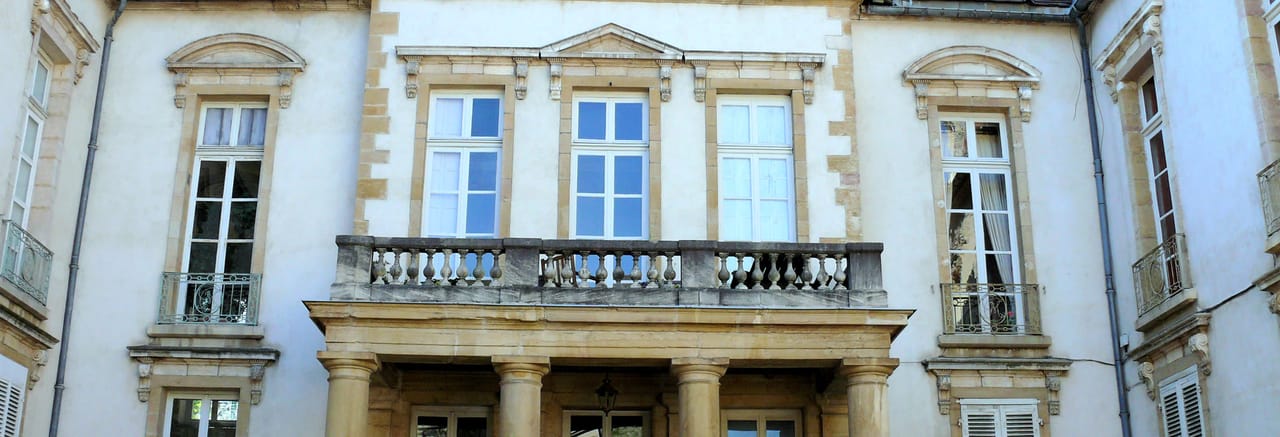
Hôtel Bouhier de Savigny
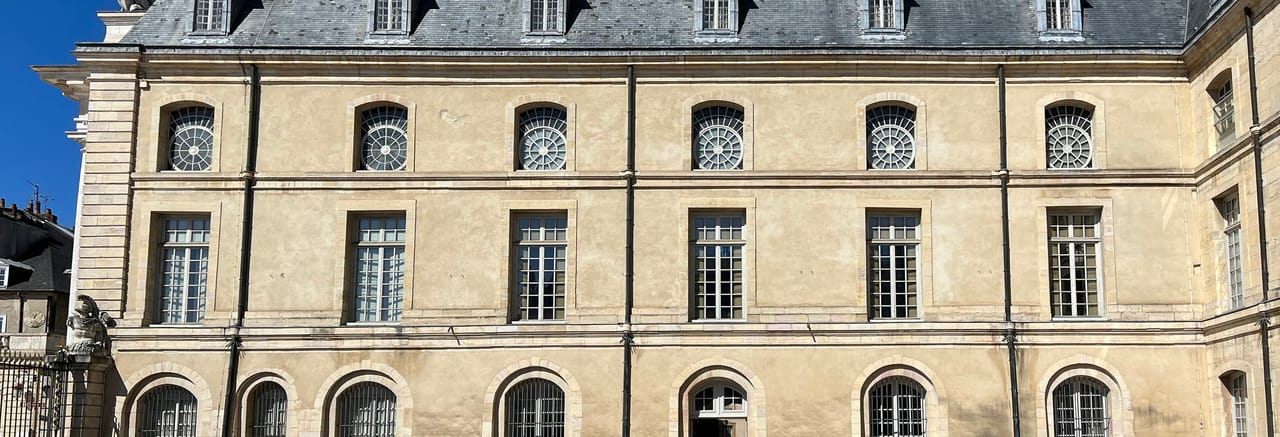
The Hôtel Bouhier de Savigny, at 12 rue Vauban, is a town mansion of around 1640 with a courtyard of honour and a garden behind. It has been a listed monument since 1928. It recalls a great book collector, Jean Bouhier, and a puzzling stone cat.
Between courtyard of honour and garden
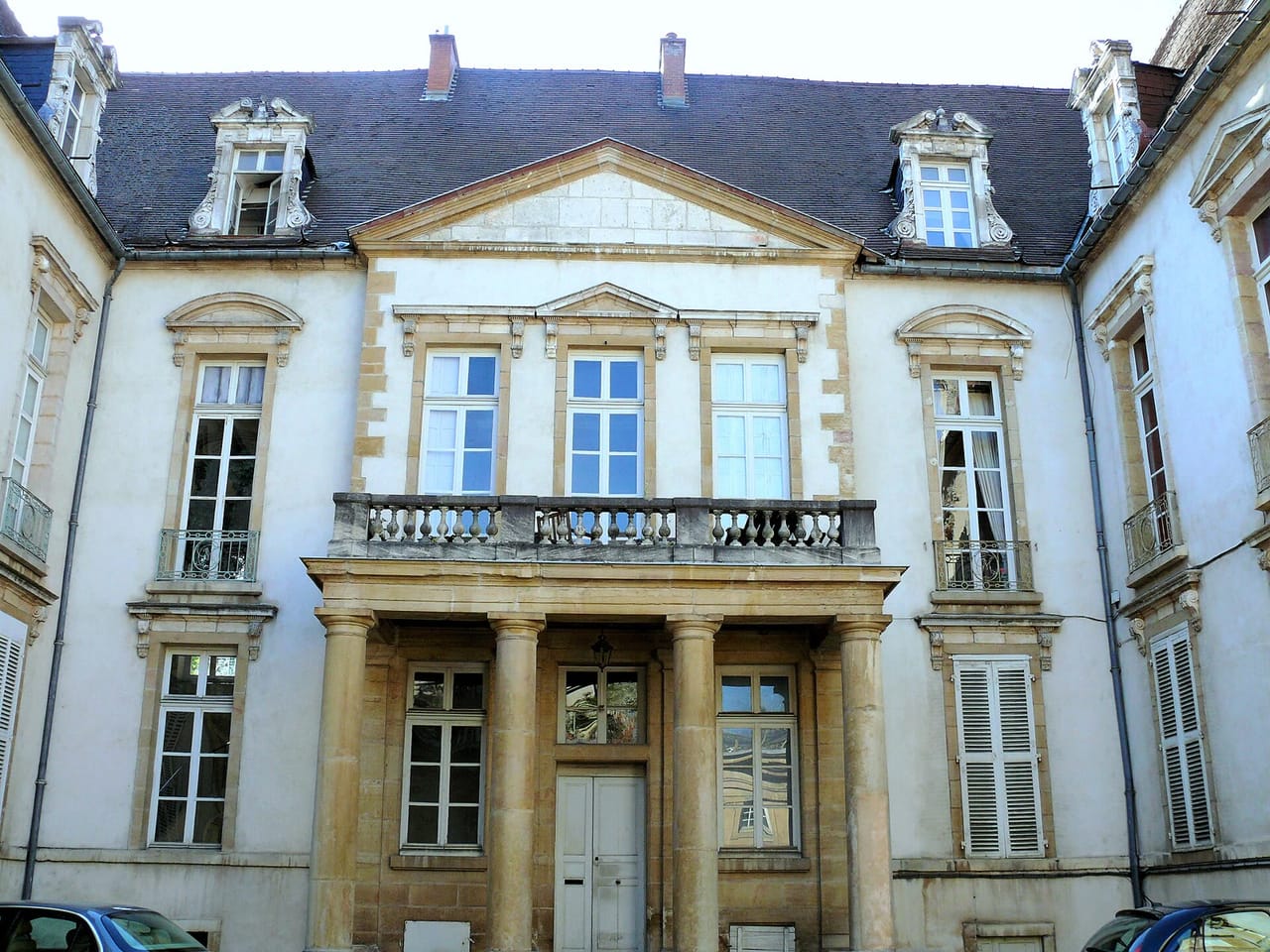
A member of the Bouhier de Savigny family had it built around 1640, following the classic plan of magistrates' mansions: a cut-stone main block between a courtyard of honour and a garden. The architecture is sober, more about balance than ornament, a good counterpoint to the carved façades nearby.
Jean Bouhier's library
Jean Bouhier de Savigny, a renowned book lover, assembled a very large library of printed books and manuscripts here. The collection was largely sold in 1784 to Clairvaux Abbey. The house thus remains tied to the history of the Burgundian book, a theme continued today by the city's heritage library.
A cat in a medallion
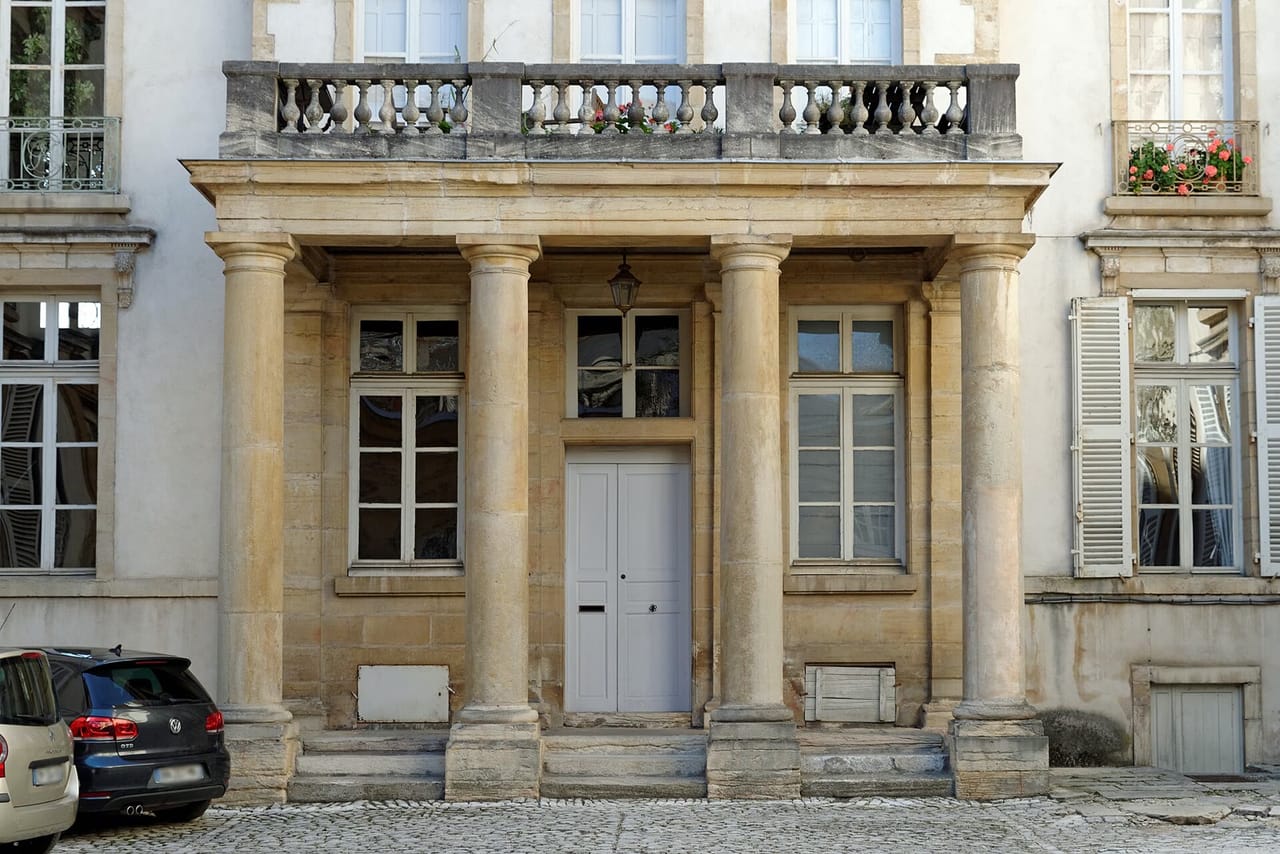
Around 1785 a later owner, Jean Vivant Micault de Corbeton, had the courtyard portico added. He also had a cat carved in a medallion above the passage, a reference to his coat of arms. This small detail rewards attentive visitors: you have to look for the feline before you find it.
Rue Vauban, seen from outside
The mansion is private, so you look at it from rue Vauban, in a district best covered on foot between the Palace of the Dukes and place Bossuet. It belongs to the protected district and to the Climats of the Burgundy Vineyards UNESCO site (2015). A stop of a few minutes is enough.
Practical information
Address: 12, rue Vauban, 21000 Dijon
Frequently asked questions
Where is the Hôtel Bouhier de Savigny?
At 12 rue Vauban, in Dijon's historic centre.
Who was Jean Bouhier?
A renowned book collector of the Bouhier de Savigny family, who gathered a large library in this house, largely sold in 1784 to Clairvaux Abbey.
Can you go in?
It is a private mansion, admired from outside. Dijon's tourist office lists any guided visits.
Wikimedia Commons — MOSSOT · Wikimedia Commons — François de Dijon