Hôtel de Vogüé
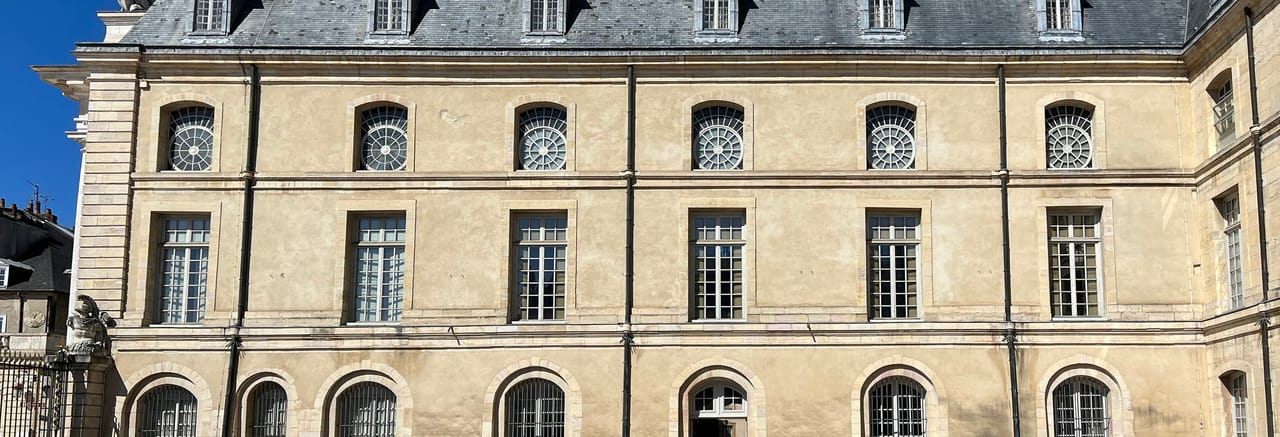
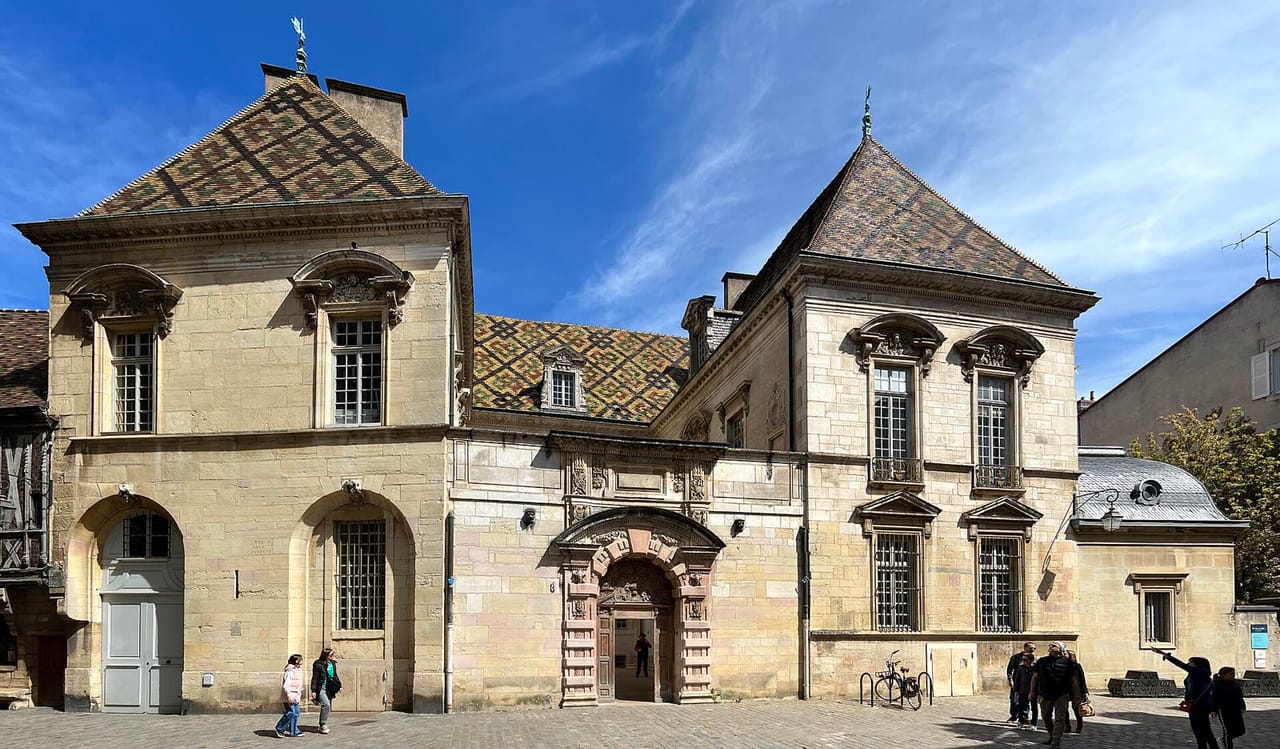
The Hôtel de Vogüé, at 8 rue de la Chouette, is a 17th-century town mansion tucked against the apse of Notre-Dame church. Its courtyard with an Italian-style portico and its glazed Burgundian tile roof make it one of the finest examples of Dijon's parliamentary architecture. It is a listed monument.
Three houses joined by the Bouhiers
The Bouhier family bought several houses starting in 1589, then combined them to launch construction around 1614. Étienne Bouhier, a parliamentary councillor, may have drawn up the plan himself. Over time the mansion changed hands, entering the Vogüé family through marriage in 1766, which explains its present name.
An Italianate courtyard and glazed tiles
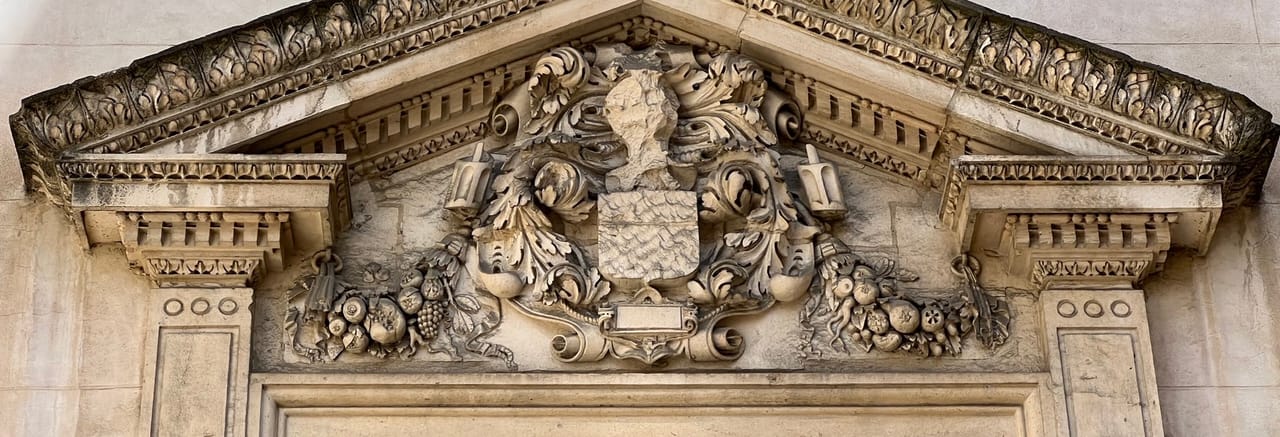
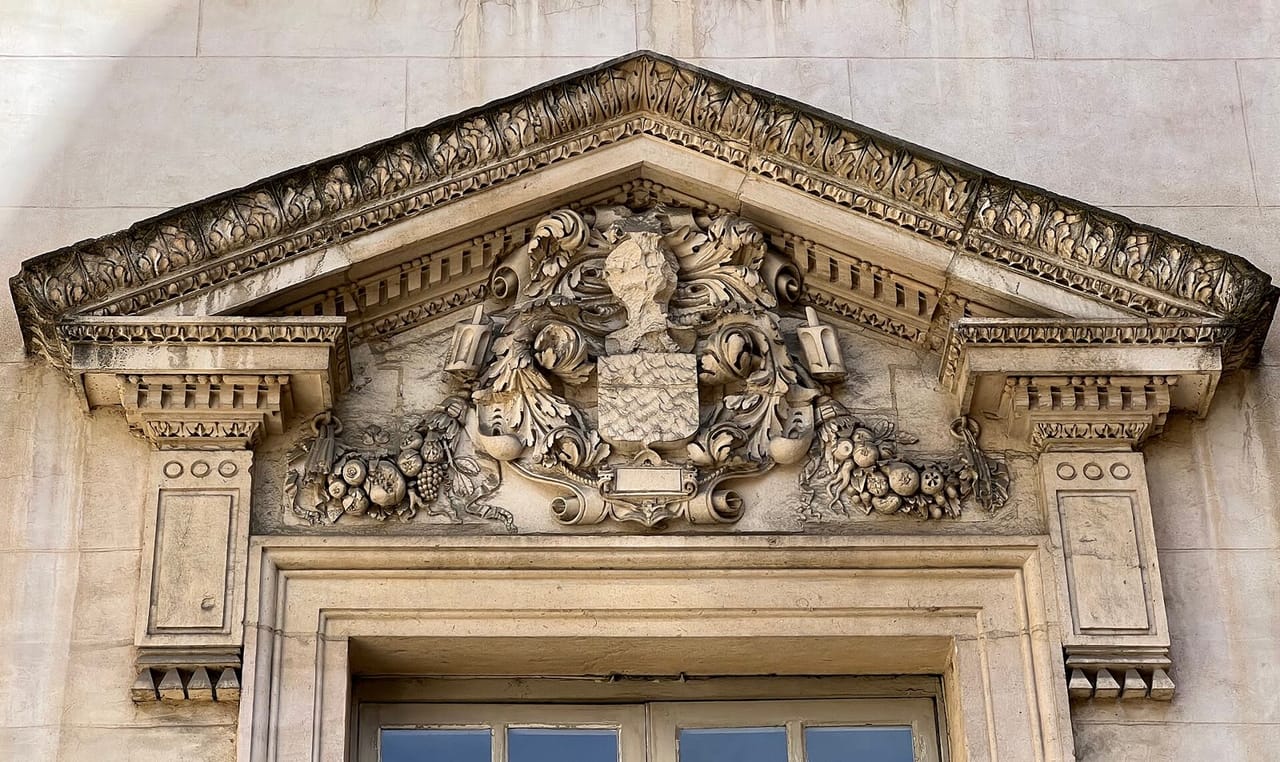
The courtyard is lined by an Italian-style portico, and the façades combine decoration still marked by the 16th century with small wing-like scrolls in place of caryatids. The roof is covered in glazed Burgundy tiles, the colourful pattern so often associated with Dijon. The whole is sometimes described as the prototype of the city's parliamentary mansions.
Today, owned by the city
The City of Dijon owns the mansion, which houses the municipal human resources department. It is a place of work rather than a museum, so most visitors linger outside in the street. Its listing as a historic monument and its place within the protected district underline its heritage value.
In the shadow of Notre-Dame and the owl
The address, rue de la Chouette (Owl Street), gives the neighbourhood away: the mansion stands near the apse of Notre-Dame church, a few steps away. The city's marked owl trail passes close by. Allow ten minutes in front of the mansion, then continue towards rue des Forges.
Practical information
Address: 8, rue de la Chouette, 21000 Dijon
Frequently asked questions
Where is the Hôtel de Vogüé?
At 8 rue de la Chouette in Dijon, right next to the apse of Notre-Dame church.
Why is it notable?
Built around 1614 for the Bouhier family, it combines an Italian-style portico courtyard with glazed tiles and is seen as a model of Dijon's parliamentary mansions.
Can you go inside?
It houses municipal offices, so open visits are not the norm. Ask the tourist office about any guided visits.
What can it be combined with?
With Notre-Dame church and its owl right next door, then rue des Forges and the market hall.
Wikimedia Commons — Chabe01