Well of Moses
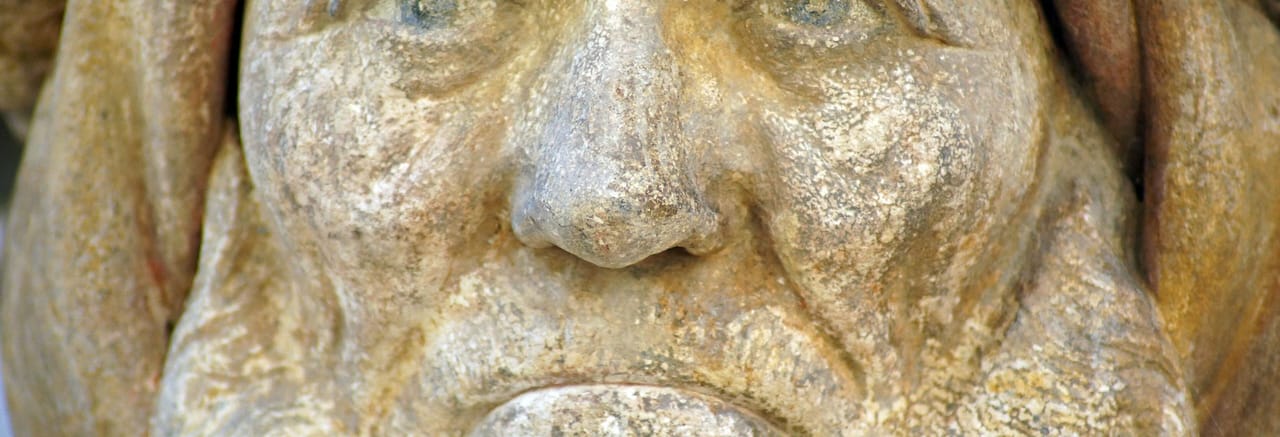
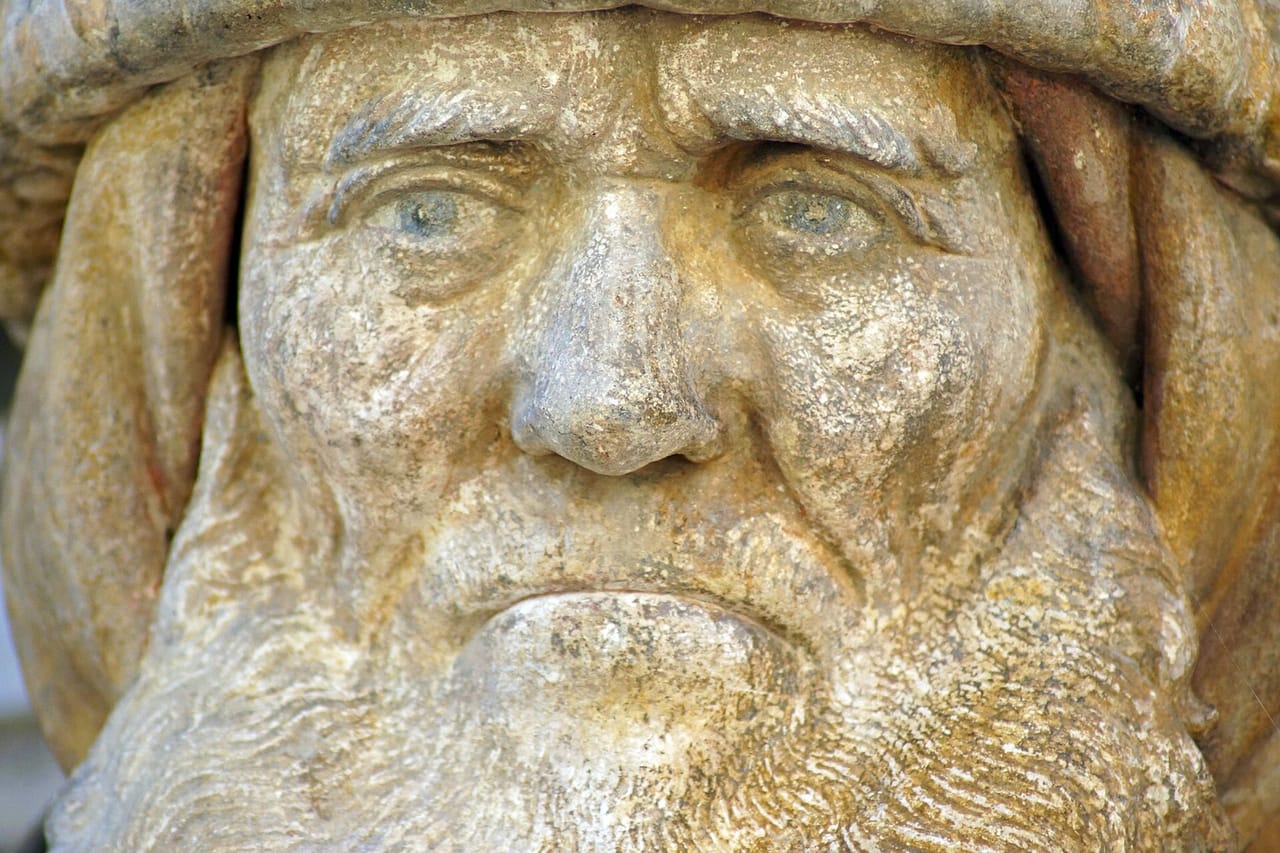
The Well of Moses is a sculpted calvary by Claus Sluter and his workshop, made between 1396 and 1405 for the Champmol Charterhouse. It stands today in the grounds of the La Chartreuse hospital, west of Dijon. Six prophets, each about two metres tall, carry on the memory of late medieval Burgundian art.
Six prophets around a calvary
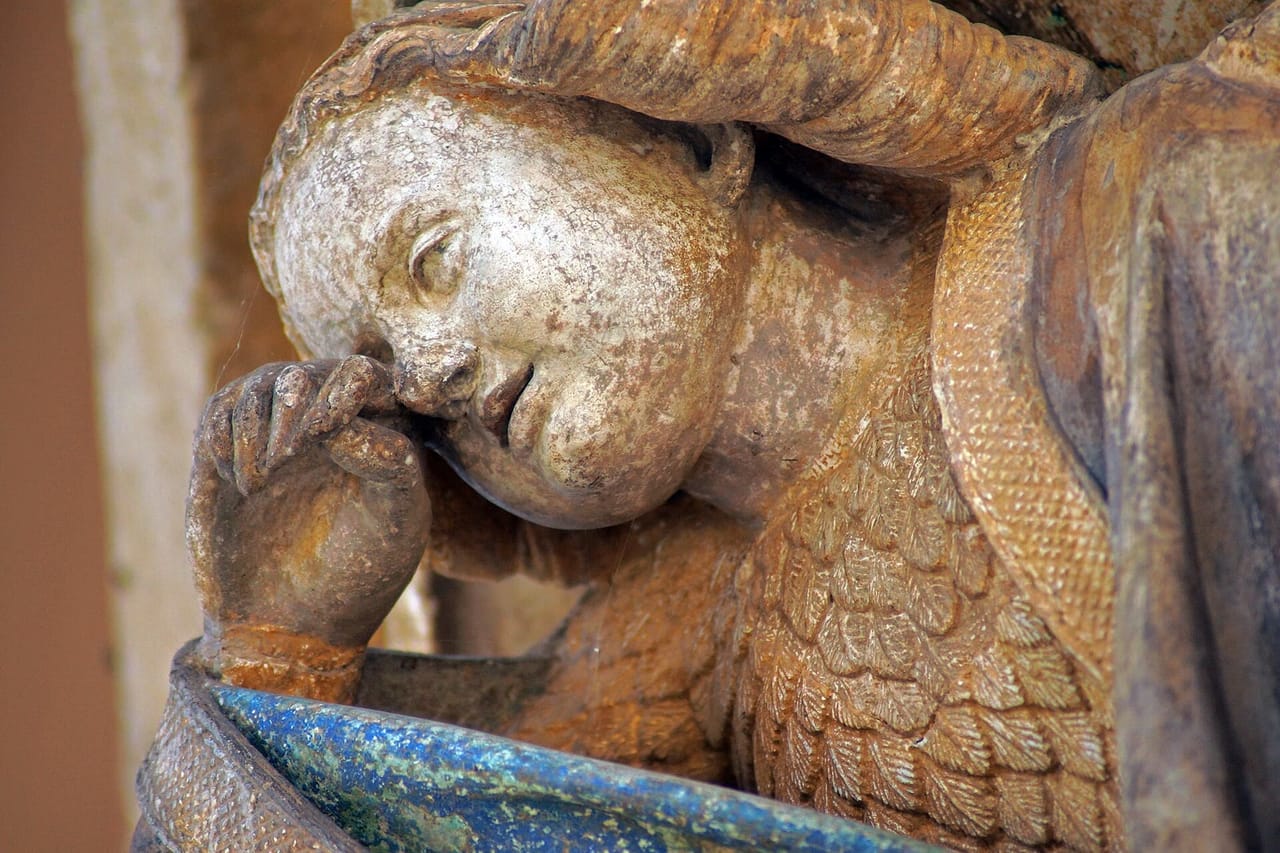
The monument consists of a hexagonal base where six prophets stand in niches separated by angels: Moses, David, Jeremiah, Zechariah, Daniel and Isaiah. Each is about two metres tall. They were set around a well at the centre of the charterhouse's great cloister and once supported a calvary of which only fragments remain.
Sluter, de Werve and Malouel
According to the accounts of the Dukes of Burgundy, the calvary was sculpted and painted between 1396 and 1405. It is the work of Claus Sluter, his nephew Claus de Werve and the painter Jean Malouel, who carried out the polychrome decoration from November 1402. Sluter died in 1406 and his nephew succeeded him as head of the workshop.
Restored, reopened, listed
The Well of Moses appears on the first list of historic monuments, in 1840. Closed in 1995 after acts of vandalism, it reopened to visitors in 2004. A cleaning campaign from 2001 to 2003 showed that no paint had been added after Jean Malouel's: what survives is the original polychromy, much faded.
A visit inside a care facility
The well stands in the park of the La Chartreuse hospital, which specialises in psychiatry. This setting calls for discretion: move quietly and calmly. The visit is short but memorable. It pairs naturally with the Museum of Fine Arts, where the ducal tombs from the same charterhouse are on display.
Frequently asked questions
Where is the Well of Moses?
In the park of the La Chartreuse hospital, west of central Dijon, on the site of the former Champmol Charterhouse.
Why is it famous?
It is the masterpiece of Claus Sluter, sculptor to the Burgundian court: his expressive prophets are a landmark of late medieval sculpture.
Can you visit it?
Yes, it has been open to visitors since 2004. Check the access conditions with Dijon's tourist office before making the trip.
What can you combine it with?
With the Museum of Fine Arts, which holds the dukes' tombs from the same charterhouse.
Wikimedia Commons — Allie_Caulfield