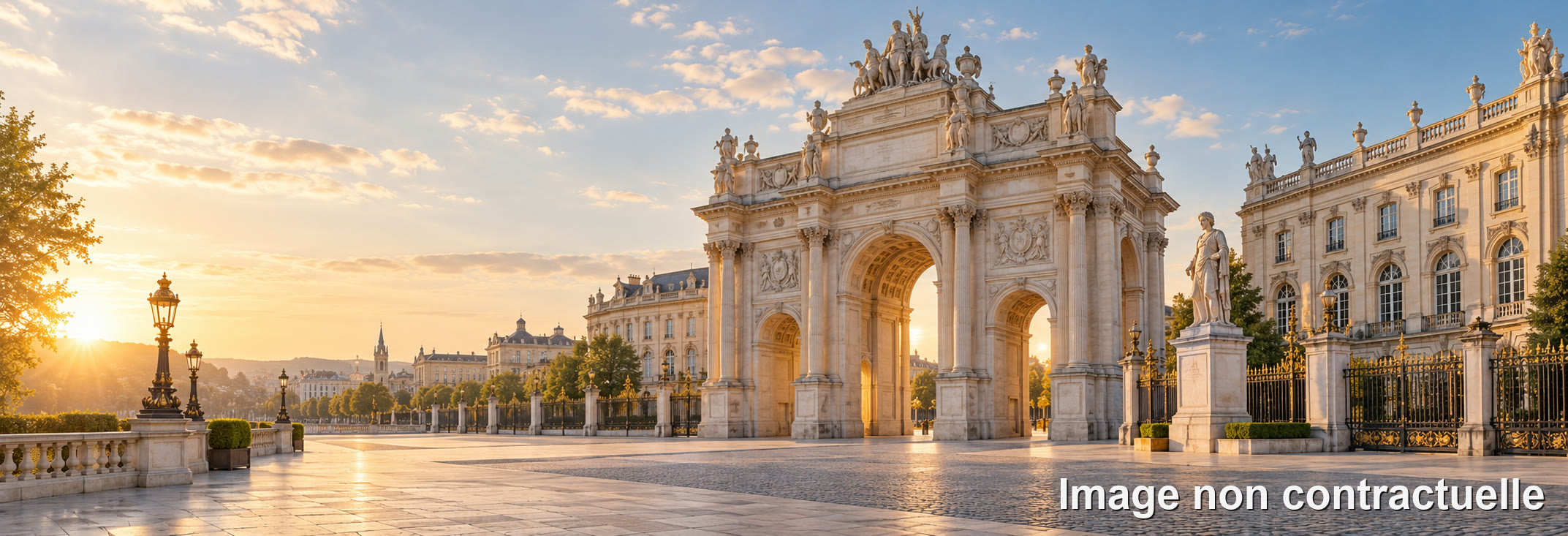
Brasserie Excelsior, an Art Nouveau gem at the table
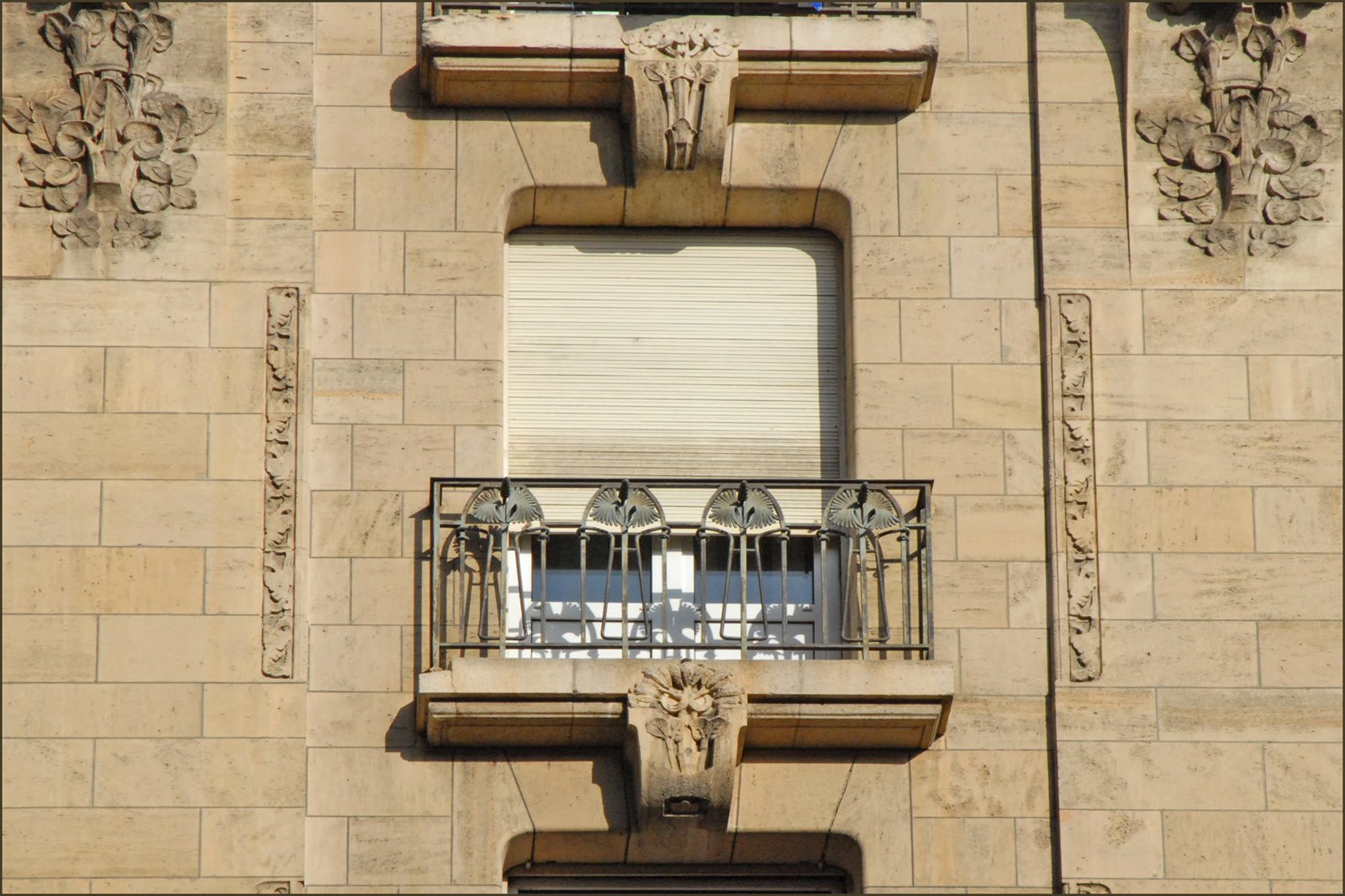
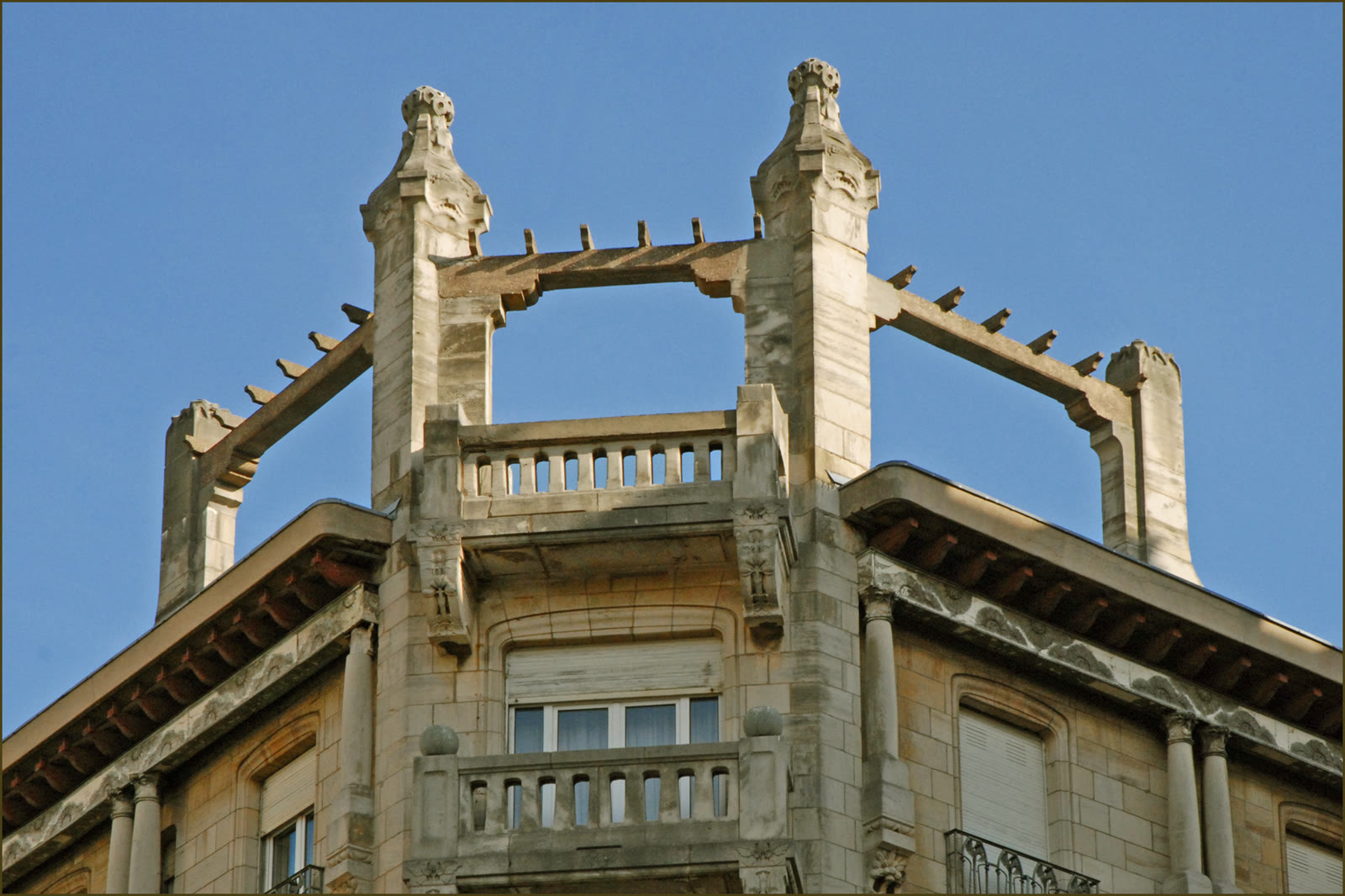
Nicknamed "l'Excel", the Brasserie Excelsior is one of the last great Belle Époque brasseries to have kept its original décor. Opened in 1911 near Nancy's station, it unites Majorelle's furniture, Daum's lighting and Gruber's stained glass in a still-working setting.
A showcase born in 1911
The Excelsior opened in February 1911 on the initiative of Louis Moreau, owner of a brewery in Vézelise. His idea: to give his production a prestige showcase, in the grand tradition of Belle Époque brasseries. The establishment, originally paired with a hotel of some fifty rooms, stands near the station, at a busy Nancy crossroads. For the design Moreau called on architects Lucien Weissenburger and Alexandre Mienville, while the decoration drew in the greatest workshops of the École de Nancy, gathered around a single project.
Majorelle, Daum and Gruber united
The décor is a symphony of Art Nouveau. The furniture, in Cuban mahogany set off with tamarisk panels, comes from Louis Majorelle's workshops. Daum signed the lighting, with nearly three hundred fittings, chandeliers and chased-copper sconces. Jacques Gruber created ten large stained-glass bays where pines, ginkgos and ferns unfurl, naturalist motifs dear to the movement. Ceilings adorned with rocaille-curved stucco complete the ensemble. This coherence between architecture, furniture, glass and light makes the hall an example of total art, rare because still intact.
Saved from demolition
The Excelsior's fate nearly turned in the 1970s, when urban-renewal plans threatened the station district. Recognised in time for its exceptional value, the brasserie was listed as a historic monument by a decree of 22 June 1976, protecting its façades, roofs and the hall's décor. That decision preserved a unique ensemble, where so many brasseries of the same era vanished or were spoiled. Today the Excelsior ranks among the jewels of Nancy's Art Nouveau heritage.
A brasserie still alive
The Excelsior is not a museum: it is a fully working brasserie where people lunch and dine beneath Gruber's stained glass. The menu keeps the spirit of the great brasseries, with seafood, traditional dishes and Lorraine specialities, served in the bustling atmosphere typical of such places. To sit down here is to live the décor from within, to the rhythm of service, conversations and light playing in the windows. A rare privilege: to contemplate an Art Nouveau masterpiece while enjoying its original function, that of a café-restaurant.
Getting there and enjoying it
The brasserie is on rue Mazagran, a stone's throw from Nancy station, making it an ideal first or last stop of a stay. Open every day, it serves continuously from morning to evening: you can drop in for a simple coffee to admire the room, or sit down for a full meal. At peak times it is wise to book. The décor is especially enjoyable in the evening, when the Daum lights come on and reveal the room's full richness.
%20(3991421406).jpg?width=1600)
%20(3991419940).jpg?width=1600)

Infos pratiques
Adresse : 1-3 Rue Mazagran, 54000 Nancy
Questions fréquentes
Do you need to order to see the Excelsior's décor?
Yes, it is a working brasserie: you need to order. A simple coffee at the counter or a table is enough to admire the décor, though.
Who created the brasserie's décor?
The furniture is by Louis Majorelle, the lighting by Daum and the ten stained-glass bays by Jacques Gruber, on architecture by Weissenburger and Mienville.
How long has the brasserie existed?
It opened in February 1911, on the initiative of Louis Moreau, and still runs as a brasserie more than a century later.
Is the Brasserie Excelsior protected?
Yes: façades, roofs and the hall's décor have been listed historic monuments since a decree of 22 June 1976, which saved it from demolition.
Where is the Brasserie Excelsior?
On rue Mazagran, at the corner of rue Henri-Poincaré, a few steps from Nancy station and the city centre.
Wikimedia Commons — Jean-Pierre Dalbéra from Paris, France · Wikimedia Commons — Arie m den toom