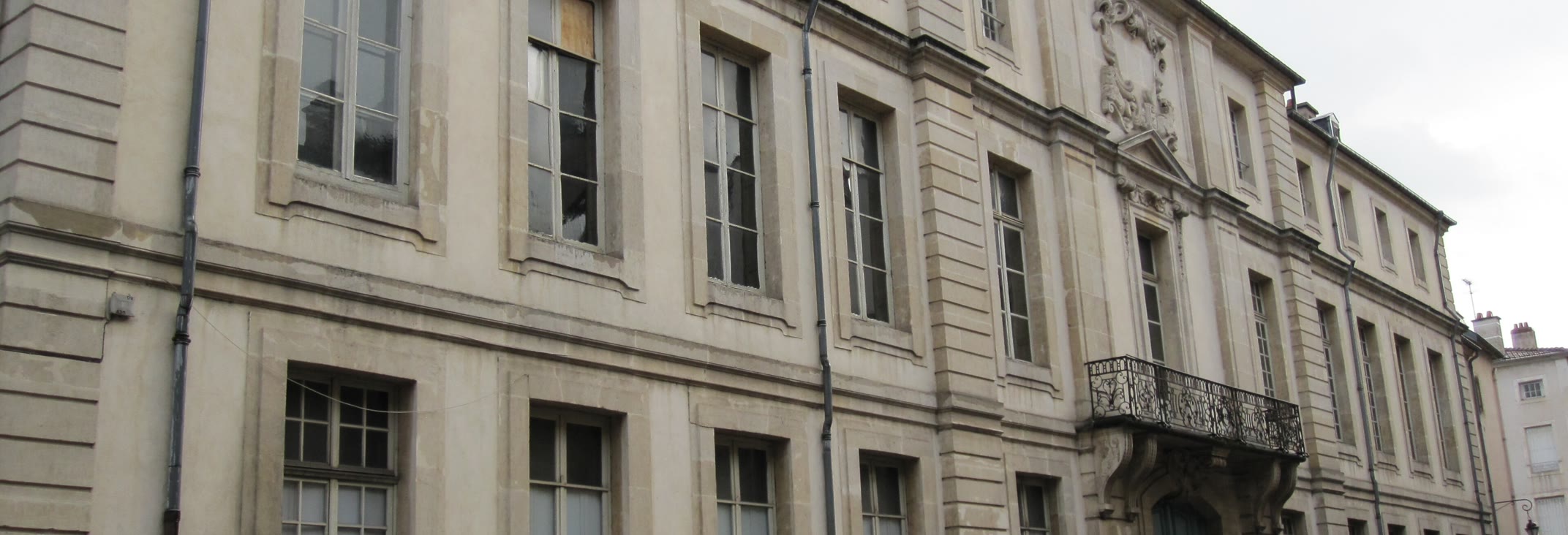
Hôtel Ferraris, Classical elegance in the Old Town
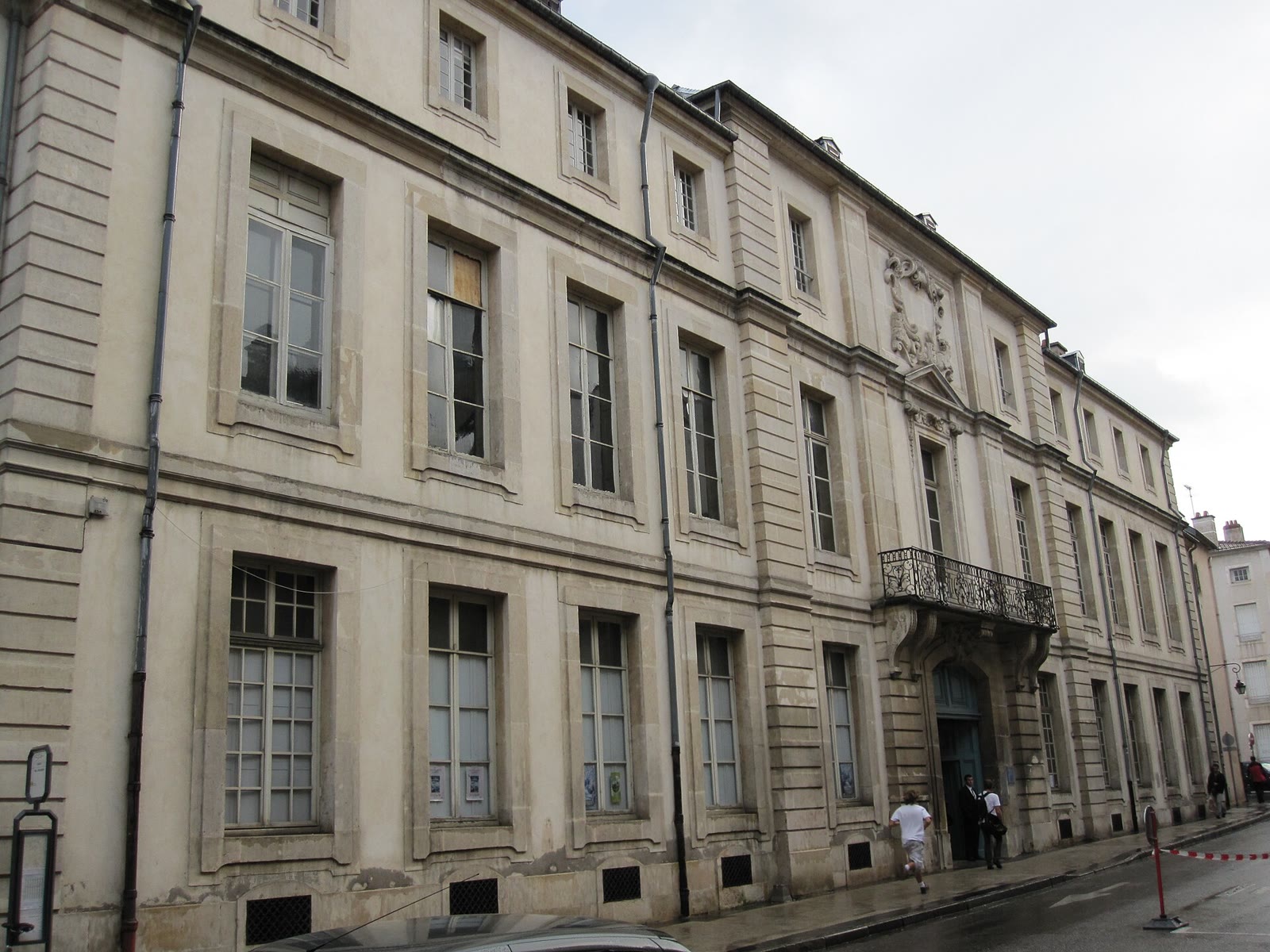
Behind a plain façade in the Old Town hides one of Nancy's most refined private mansions. Built in the early 18th century by Germain Boffrand, the Hôtel Ferraris charms visitors with its grand staircase and wrought-iron railing, a highpoint of Lorraine's classical art.
A commission of the Lorraine nobility
The mansion was built around 1715-1717 for Louis de Ferraris, a gentleman who entered local nobility through his 1715 marriage to Anne-Thérèse de Fontette. It is the work of Germain Boffrand, first architect to Duke Léopold I of Lorraine and a master of French classicism. A fireplace plate dated 1722 probably marks the family's move in. The residence embodies the ambition of an aristocracy that, in a still-ducal Nancy, sought to display taste and rank in the heart of the Old Town, the historic quarter nestled around the ducal palace.
The grand staircase, a masterpiece
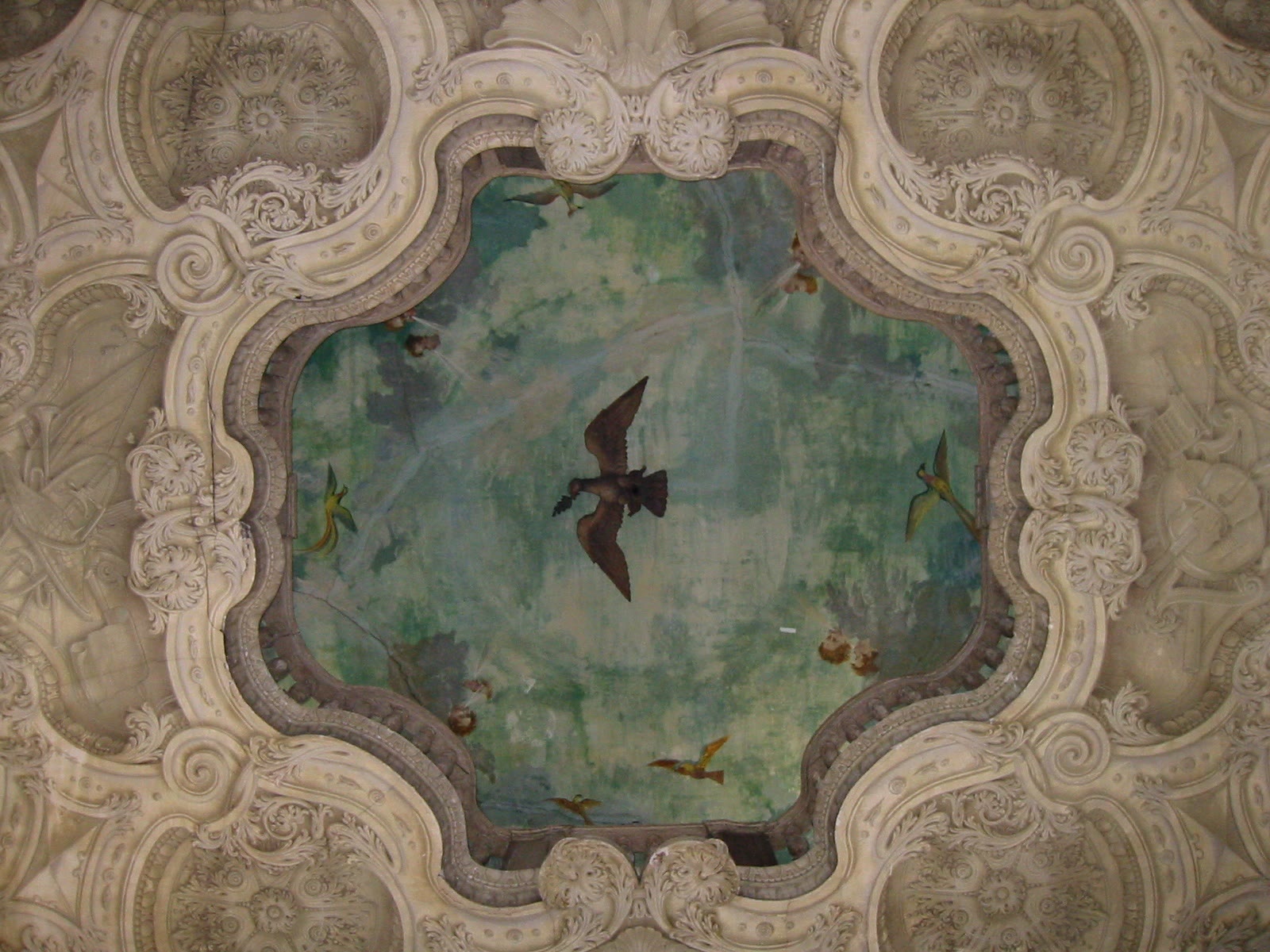
The highlight is the Italian-style grand staircase, rising in three flights. Its wrought-iron railing, a virtuoso piece, weaves the interlaced Ferraris-Fontette monogram with the fleur-de-lis, a motif echoed on the façade balcony and beneath the porch. Above, the trompe-l'œil painted ceiling, attributed to Giacomo Barilli, opens a cloudy sky enlivened with cherub heads. This spectacular ensemble, staircase, railing and ceiling, was listed as a historic monument as early as 1946, well before the whole building was protected.
An ingenious architecture
Boffrand had to work with a trapezoidal plot, a constraint he resolved masterfully by drawing symmetrical, harmonious façades around the courtyard. A central balcony, adorned with wrought ironwork, enlivens the street front. Inside, a corbelled passage, a kind of loggia, links the building's wings and eases circulation. This virtuosity in handling space, combined with the elegant sobriety of the lines, illustrates the talent of an architect who left a lasting mark on Nancy and Paris, where he built the Hôtel de Soubise.
Interiors and the fate of a mansion
The interiors preserve fine Parisian-style dado panelling, while the left wing received a neoclassical décor attributed to Joseph Beunat in the early 19th century. In the courtyard, a Neptune fountain, listed as early as 1927, recalls the refinement of the place. The whole mansion was classified a historic monument in 2008. Today the house holds the general inventory of cultural heritage of the Grand Est region, Nancy site: a fitting turn for a home that has itself become an object of heritage study.
Discovering the mansion today
As a working office, the Hôtel Ferraris cannot be freely visited. Its façade can still be admired from 29 rue du Haut-Bourgeois, a street lined with other fine mansions. The interior and its famous staircase mostly open during the European Heritage Days in September, the ideal moment to admire the wrought-iron railing and painted ceiling. The visit fits naturally into a stroll through the Old Town, between the Grande-Rue, the Palace of the Dukes of Lorraine and the Porte de la Craffe.
Infos pratiques
Adresse : 29 Rue du haut bourgeois, 54000 Nancy
Questions fréquentes
Can you visit the inside of the Hôtel Ferraris?
As the mansion houses an administrative service, it is not open daily. The interior, including the grand staircase, mostly opens during the European Heritage Days in September.
Who built the Hôtel Ferraris?
The architect Germain Boffrand, first architect to Duke Léopold I of Lorraine, built it around 1715-1717 for Louis de Ferraris.
Where is the Hôtel Ferraris?
At 29 rue du Haut-Bourgeois, in Nancy's Old Town, a few steps from the Palace of the Dukes of Lorraine and the Grande-Rue.
Why is the staircase railing so famous?
This virtuoso wrought iron blends the Ferraris-Fontette monogram and the fleur-de-lis; staircase, railing and painted ceiling have been listed historic monuments since 1946.
What is there to see near the Hôtel Ferraris?
The whole Old Town: the Grande-Rue with its mansions, the Ducal Palace and the Musée lorrain, the Saint-Épvre basilica and the Porte de la Craffe.
Wikimedia Commons — Marc Baronnet · Wikimedia Commons — François BERNARDIN