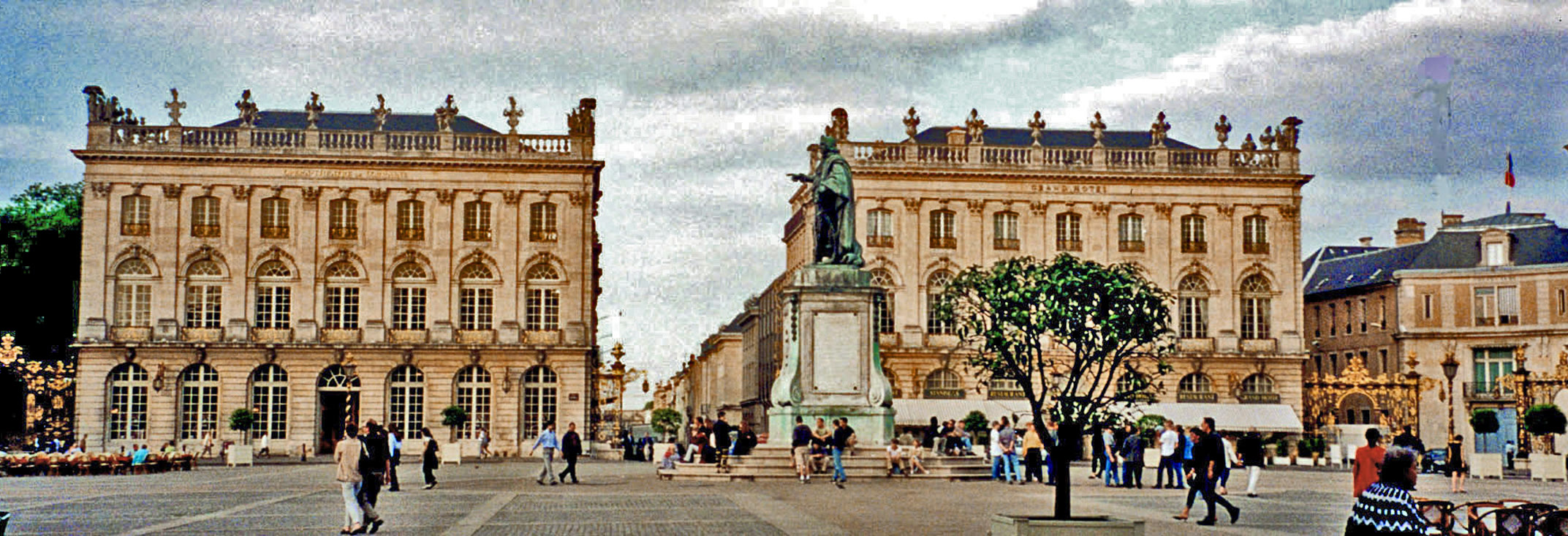
Place Stanislas, Nancy's UNESCO-listed masterpiece
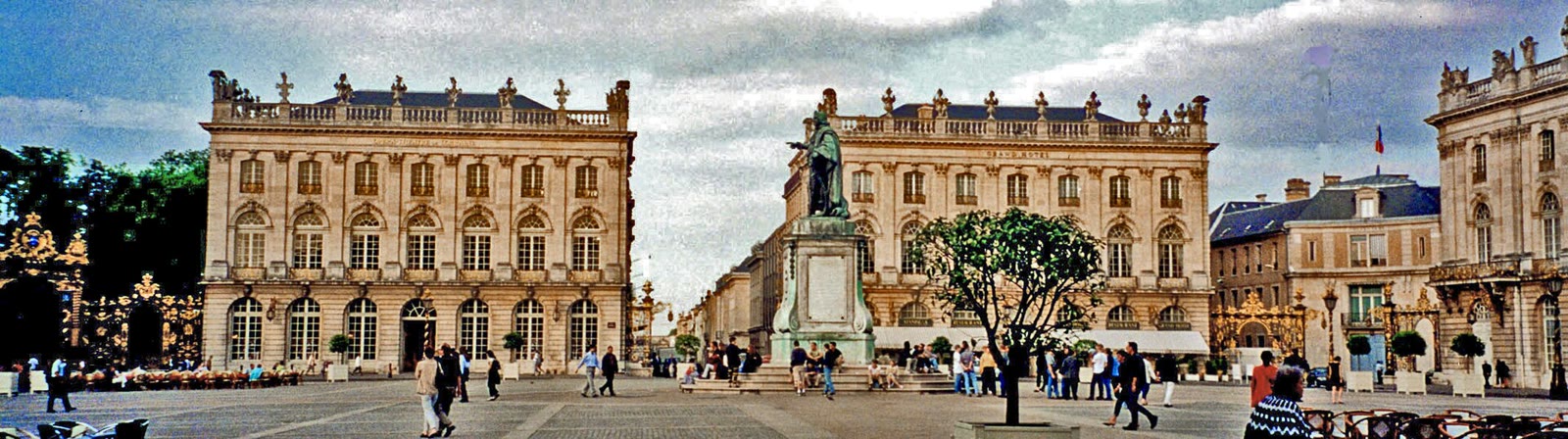
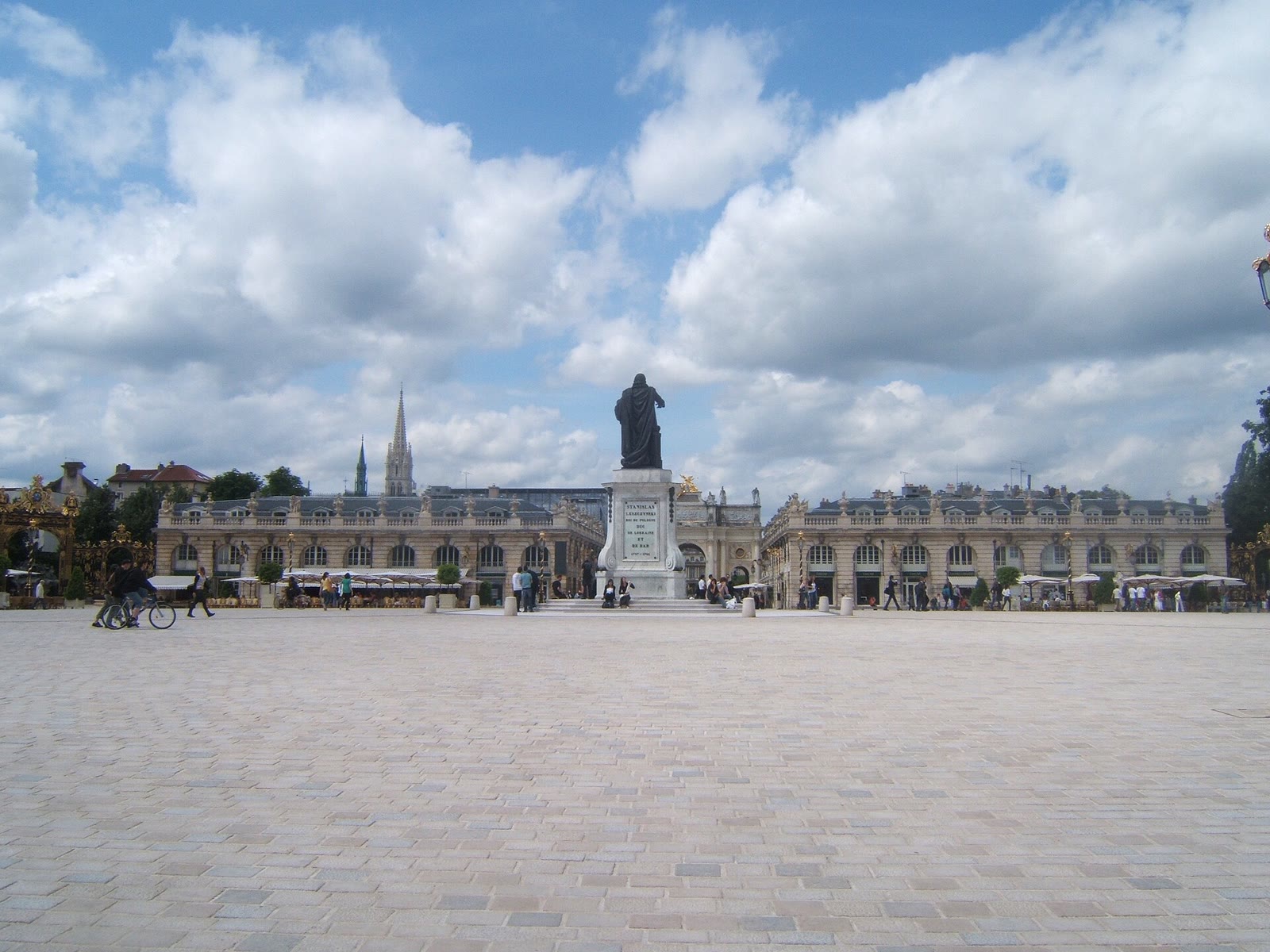
At the heart of Nancy lies one of Europe's finest squares. Commissioned by Stanislas Leszczyński and designed by Emmanuel Héré between 1752 and 1755, Place Stanislas dazzles with its gilded gates, fountains and classical façades. UNESCO-listed since 1983, it remains the city's beating heart.
A royal dream come true
The story begins with Stanislas Leszczyński, the deposed king of Poland who became Duke of Lorraine and father-in-law to Louis XV. To honour his son-in-law and link the old town to the new city, he entrusted architect Emmanuel Héré with an ambitious project, completed at a brisk pace between 1752 and 1755. In just three years, a royal square of rare harmony rose up, conceived as an open-air drawing room. A statue of Louis XV originally stood at the centre; after the Revolution it was replaced by one of Stanislas, who gives the square its name today.
The gilded gates and fountains
What gives the square its magic are the wrought-iron gates enhanced with gold leaf, the work of Nancy master ironsmith Jean Lamour. Scrolls, interlacing and monograms form a spectacularly delicate lacework of metal. At the northern corners, two rocaille fountains by Barthélémy Guibal stage Neptune and Amphitrite amid water and gilded lead. The whole marries ironwork, sculpture and architecture with rare coherence — so much so that the square was voted the French people's favourite monument in 2021. By day or by night, the sight is striking.
A palatial setting all around
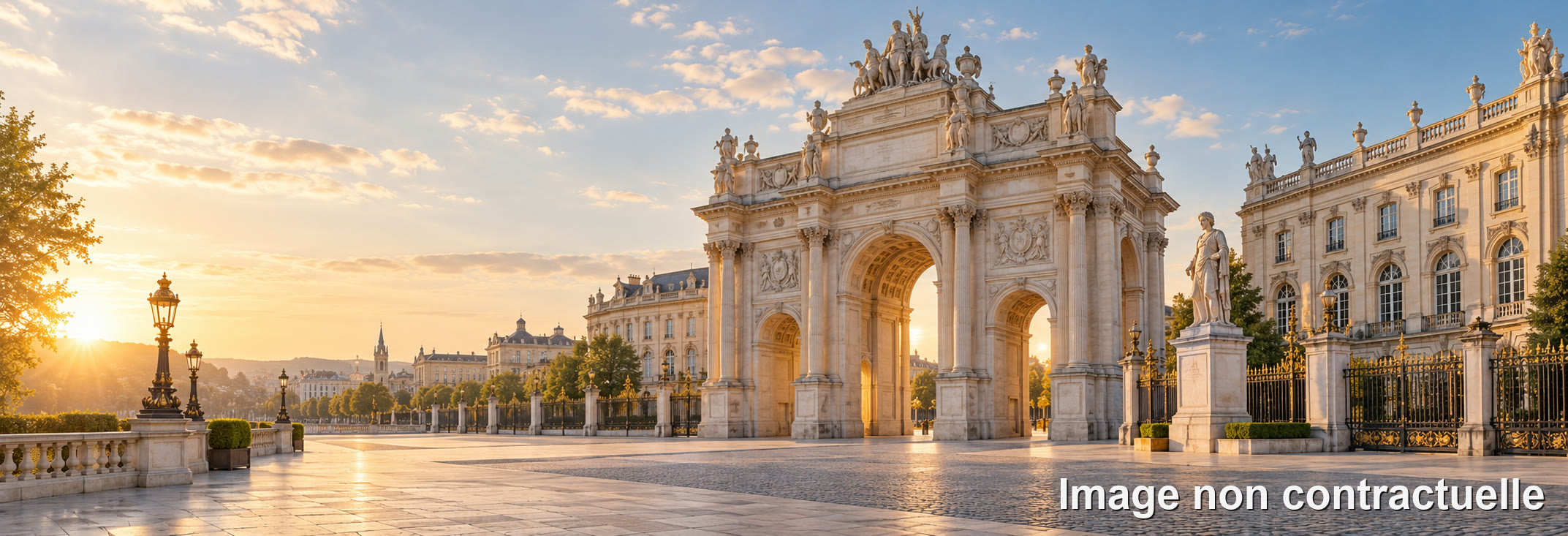
The square is lined with pavilions whose ordered façades were inspired by a design by Germain Boffrand. To the south, the town hall unfolds its long royal façade and houses the grand staircase with Jean Lamour's railing. Opposite, the Arc Héré opens the vista towards Place de la Carrière. On the west side, the Museum of Fine Arts holds a rich collection of paintings and a remarkable gallery devoted to Daum glassware. Each building plays its part in an urban composition conceived as a whole: here, architecture tells the story of the union of Lorraine and France.
A lively square in every season
Far from being a mere backdrop, Place Stanislas lives to the rhythm of Nancy's residents. Its café terraces, brasseries and the famous Grand Café Foy invite you to pause. Every summer, the free evening sound-and-light show "Rendez-vous place Stanislas" bathes the façades in spectacular projections. Christmas market, winter illuminations, concerts and festivals follow one another throughout the year. Pedestrianised since its 2005 renovation, which restored its pale paving and fountains, the square is best explored on foot, camera in hand — and never grows tiresome.


.JPG?width=1600)
.JPG?width=1600)
Infos pratiques
Adresse : Place Stanislas, 54000 Nancy
Questions fréquentes
Where is Place Stanislas in Nancy?
The square sits in the centre of Nancy (54000), between the old town to the north and the 18th-century city to the south. It is about a fifteen-minute walk from the train station.
Why is Place Stanislas a UNESCO site?
Listed as World Heritage in 1983 alongside Place de la Carrière and Place d'Alliance, it embodies an exceptionally coherent 18th-century urban ensemble, where architecture, ironwork and sculpture unite in the service of an enlightened ruler.
Is access to the square free?
Yes, the square is a fully pedestrianised public space, freely accessible at any hour. The Museum of Fine Arts and certain town hall tours, however, charge admission or require booking.
When can I see the sound-and-light show?
The evening show "Rendez-vous place Stanislas" is projected free of charge onto the façades every night in summer, generally from June to September, at nightfall. Check the exact dates with the tourist office.
What is there to see nearby?
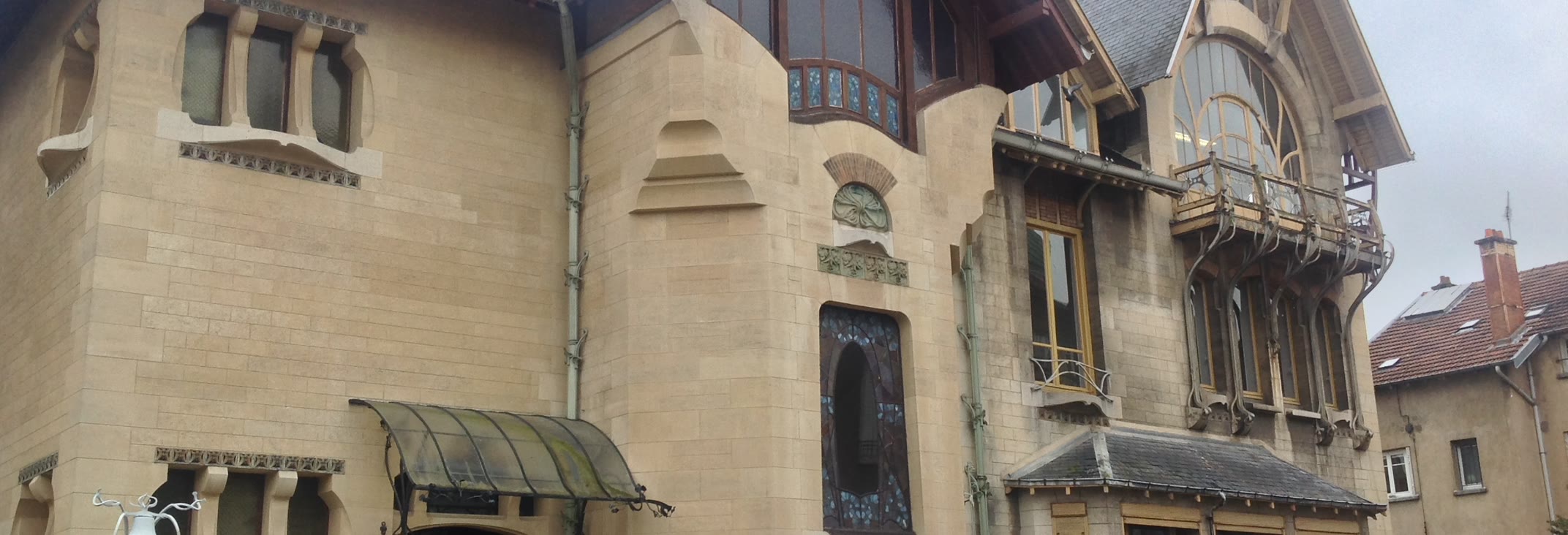
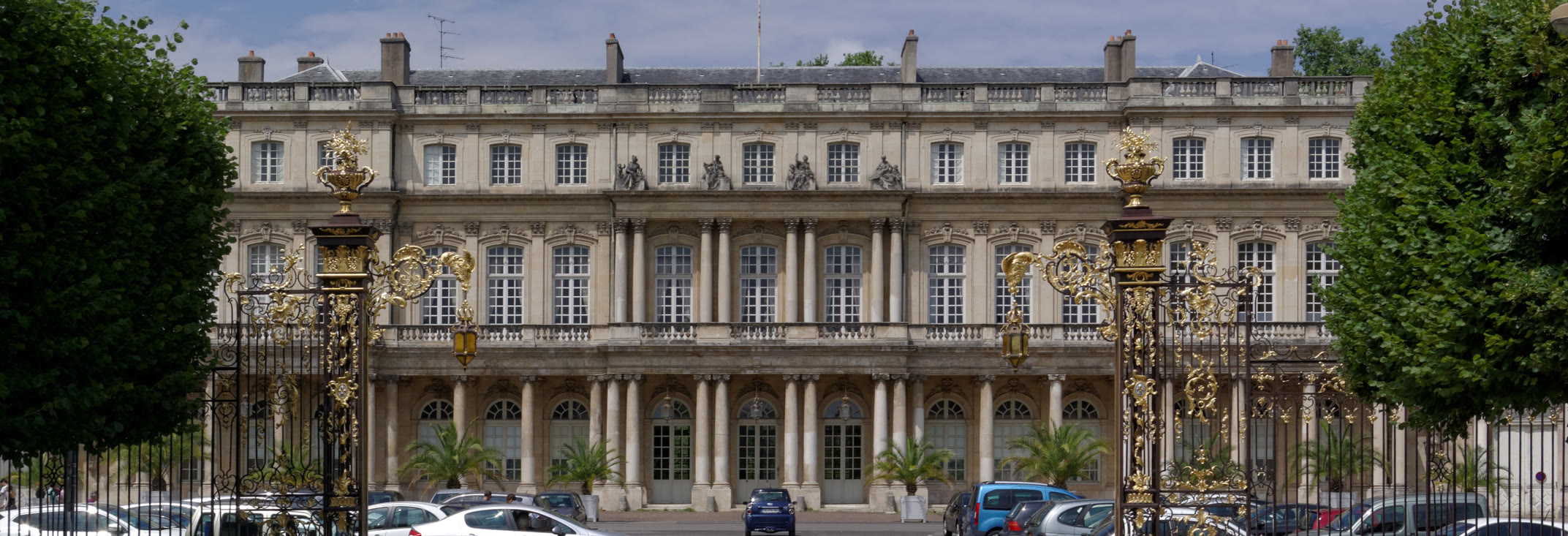
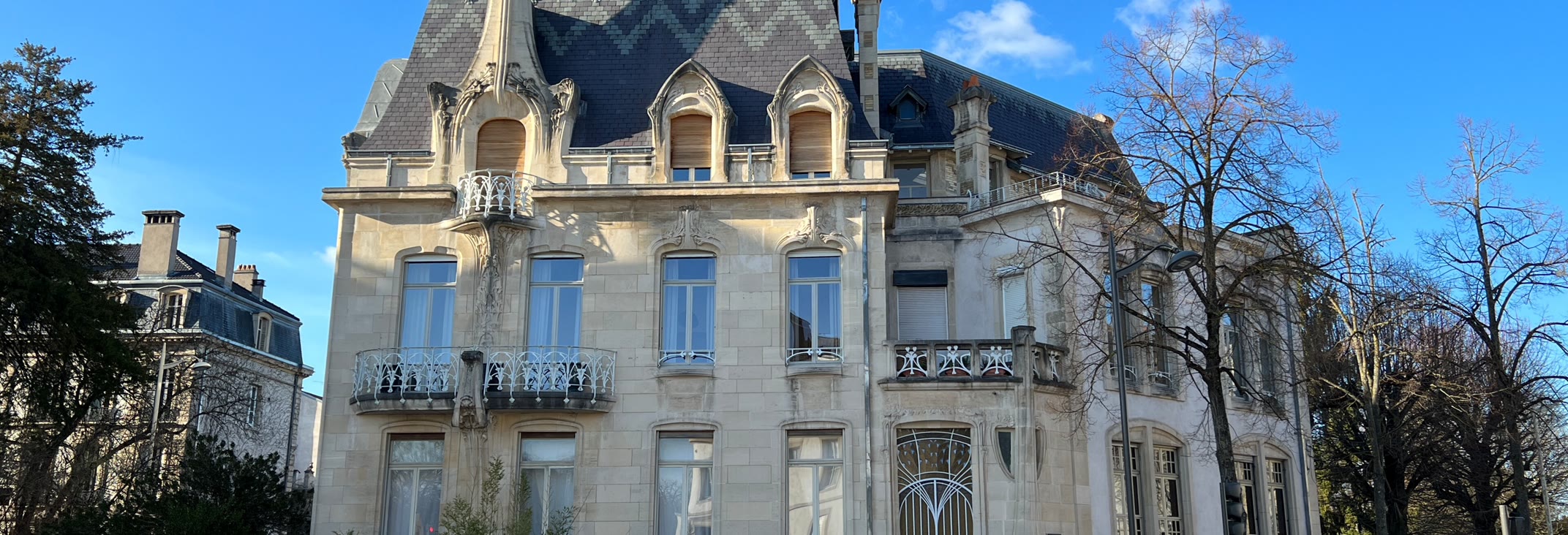
Everything is within a short stroll: the Arc Héré, Place de la Carrière, Place d'Alliance, the Palais du Gouvernement, the old town and the Palace of the Dukes of Lorraine, plus the Art Nouveau district and Villa Majorelle a little further on.
Wikimedia Commons — JC Allin · Wikimedia Commons — Mirej · Wikimedia Commons — Mypouss · Wikimedia Commons — Karlavidal · Wikimedia Commons — Bjoertvedt · Wikimedia Commons — Philippe Alès · Wikimedia Commons — Jean-Pol GRANDMONT