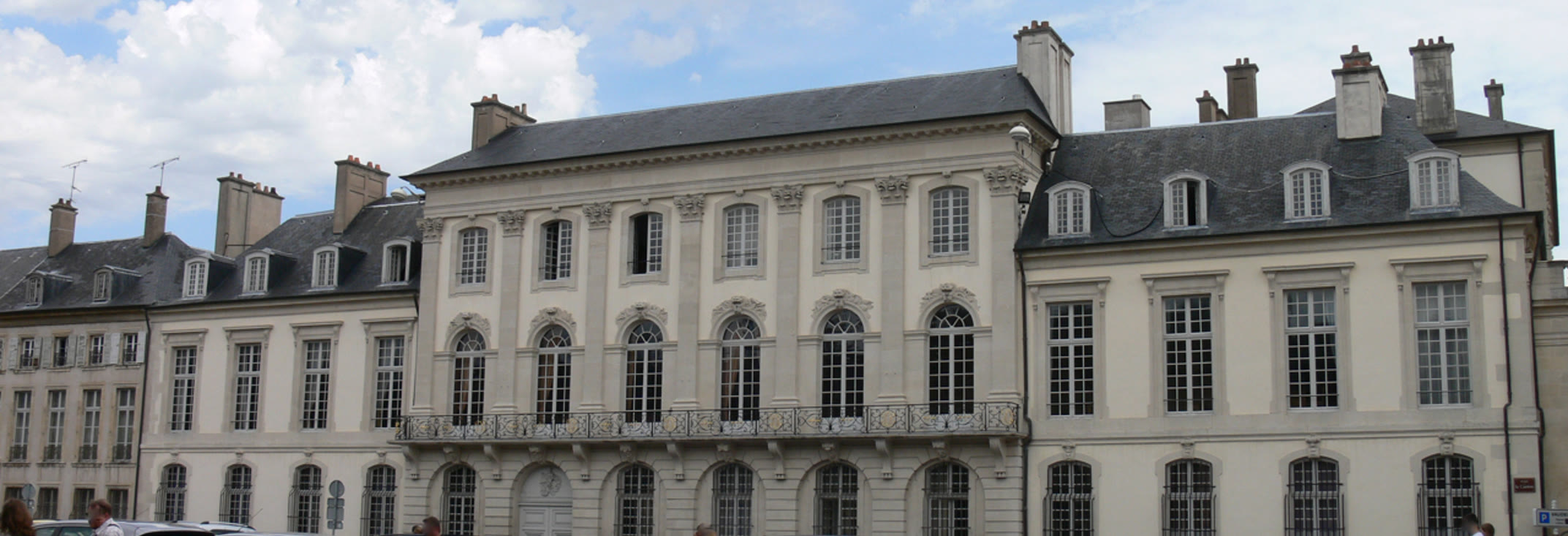
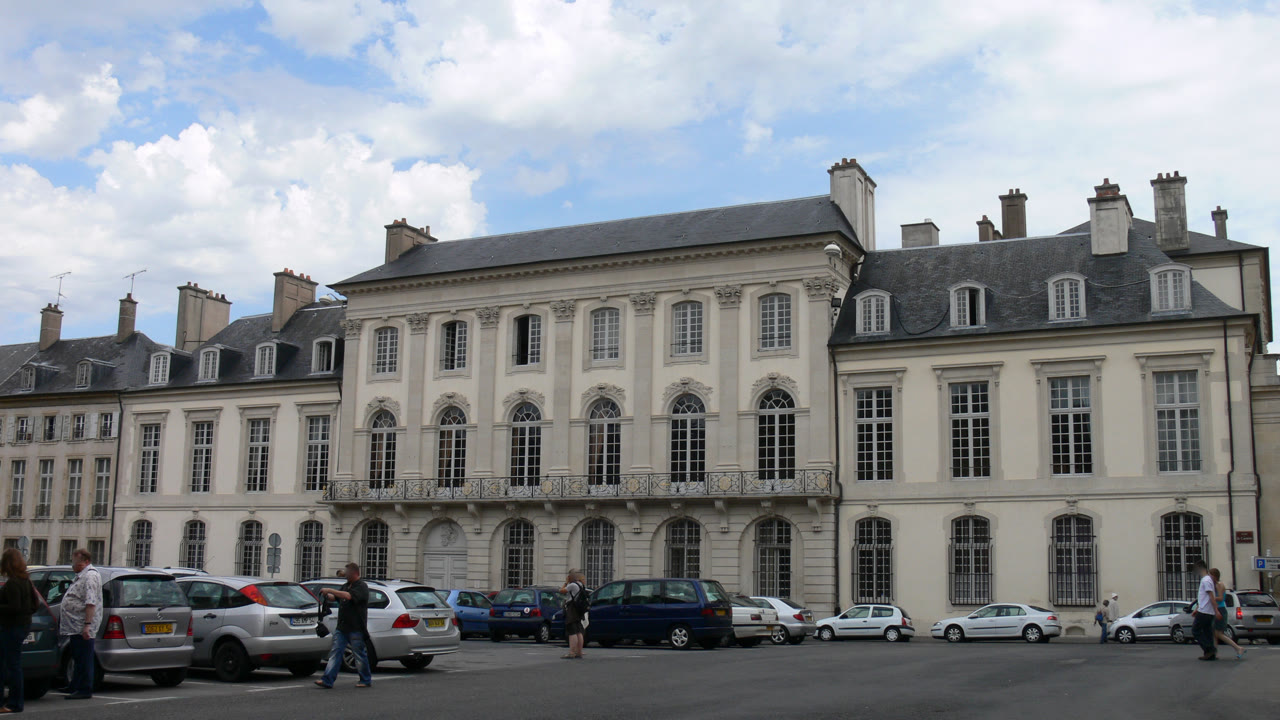
The Beauvau-Craon mansion, a palace on Place de la Carrière
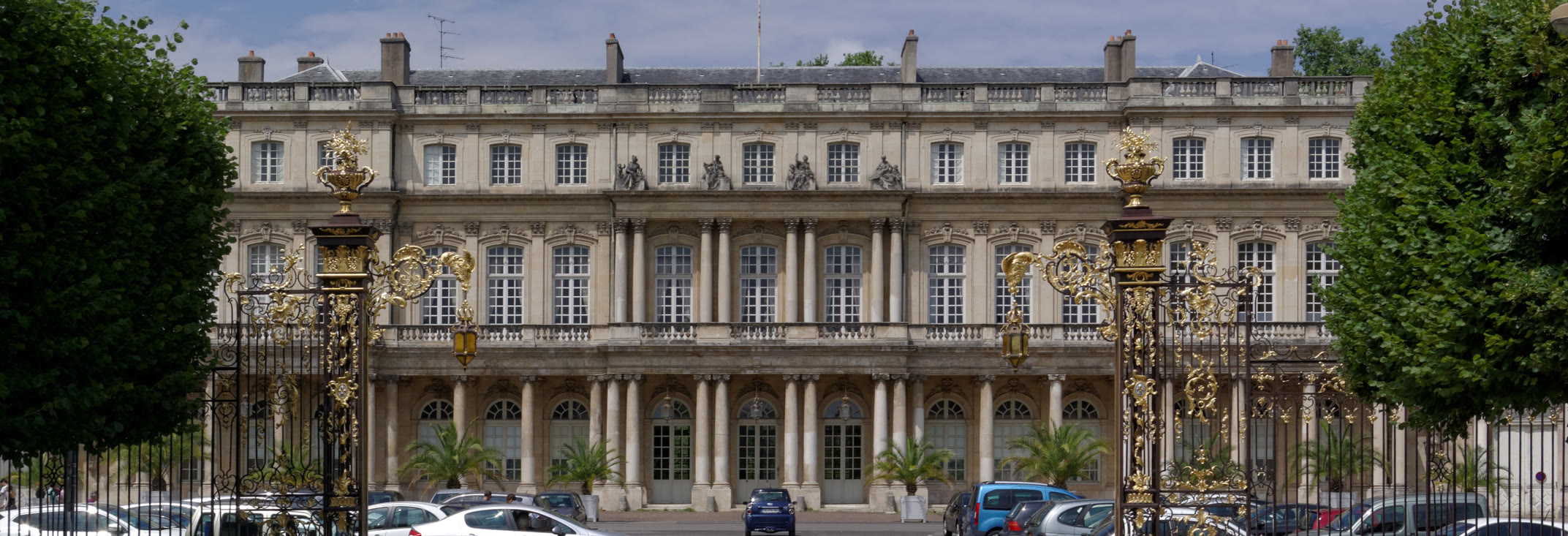
On the majestic Place de la Carrière, the Hôtel de Beauvau-Craon ranks among Nancy's most sumptuous mansions. Designed by Germain Boffrand around 1715, this baroque palace belongs to the 18th-century ensemble inscribed on the UNESCO World Heritage list.
A palace for the Prince of Craon
The mansion was built around 1712-1715 by Germain Boffrand, first architect to Duke Léopold I, for Marc de Beauvau (1679-1754), Prince of Craon. His wife, Anne-Marguerite de Ligniville, was the duke's favourite, which explains the scale of the commission and the family's favour. Completed in about eighteen months, the palace displayed from the outset a splendour meant to impress. It is one of Nancy's first great mansions, destined to become a model for the later aristocratic residences on the square.
A first-rate baroque façade
The façade shows all of Boffrand's art: rigorous ordering, rich sculpture, monumental balance. Originally a sculpted balustrade crowned the building, a mark of its status. The quality of the whole, with its classical lines set off by ornament, makes it one of the major achievements of civil architecture in Lorraine in the early 18th century. The palace dialogues with the long perspective of the Place de la Carrière, a former tournament ground turned ceremonial promenade, lined with trees and punctuated by Jean Lamour's grilles and fountains.
From Stanislas to the court of appeal
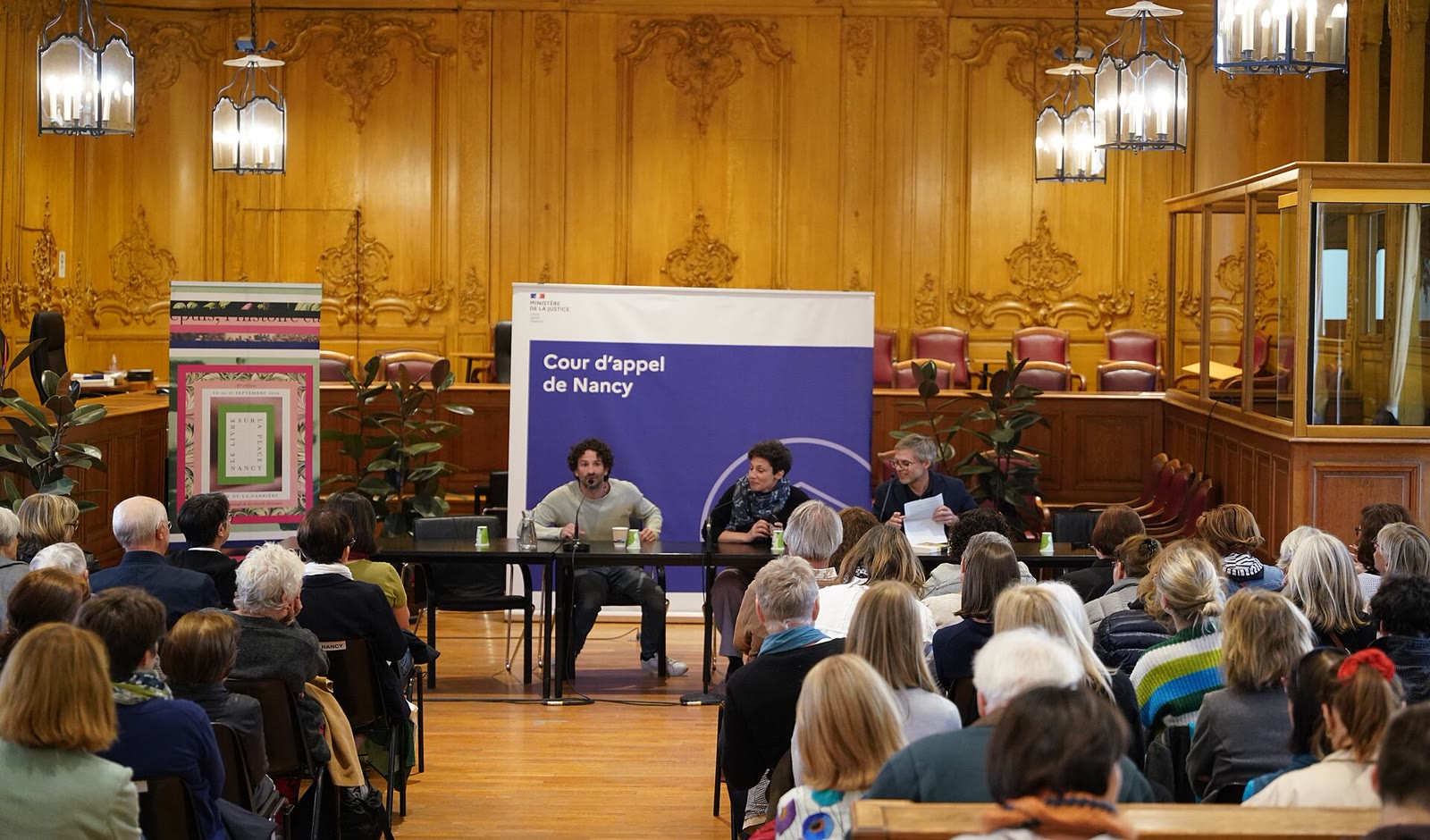
The palace's history mirrors that of the duchy. In 1751 it was acquired by Stanisław Leszczyński, the former king of Poland turned Duke of Lorraine, who for a time installed his court there. Around 1752-1753 Emmanuel Héré, reshaping the square, had the sculpted balustrade removed to harmonise the façades with the neighbouring Merchants' Exchange. Listed a historic monument as early as 1924, the mansion has long housed Nancy's court of appeal. This judicial use, which ensures its upkeep, also explains why the interior can only be visited exceptionally.
At the heart of a UNESCO ensemble
The Hôtel de Beauvau-Craon belongs to the famous 18th-century ensemble that earned Nancy its inscription on the UNESCO World Heritage list in 1983: Place Stanislas, Place de la Carrière and Place d'Alliance. This ensemble, a masterpiece of royal urban planning willed by Stanislas, harmoniously links architecture, ironwork and perspective. The palace is one of its jewels, at the end of Place de la Carrière. To contemplate it is to grasp the ambition of a city that, in the 18th century, created one of Europe's finest monumental ensembles.
Discovering the palace
As the palace houses the court of appeal, it cannot be freely visited: its façade is admired from Place de la Carrière, at any time of year and without a ticket. The walk beneath the lime trees, between the gilded grilles and fountains, offers the finest viewpoints. On rare occasions, such as the European Heritage Days, the interior may partly open. The visit combines ideally with the nearby Place Stanislas, the Arc Héré and the Palais du Gouvernement that closes the other end of the square.
Infos pratiques
Adresse : Place de la Carrière, 54000 Nancy
Questions fréquentes
Can you visit the Hôtel de Beauvau-Craon?
As the building houses the court of appeal, the interior is not open daily. The façade is admired freely from Place de la Carrière, and the inside sometimes opens for the Heritage Days.
Who built the Hôtel de Beauvau-Craon?
Germain Boffrand, around 1712-1715, for Marc de Beauvau, Prince of Craon, whose wife was the favourite of Duke Léopold I.
What is the building used for today?
It houses Nancy's court of appeal, making it a judicial workplace; this has also ensured its preservation.
Is the palace UNESCO-listed?
Yes, it belongs to the ensemble of Place Stanislas, Place de la Carrière and Place d'Alliance, inscribed on the UNESCO World Heritage list since 1983.
Where is the Hôtel de Beauvau-Craon?
On Place de la Carrière in Nancy, extending from Place Stanislas, in the heart of the UNESCO area.
Wikimedia Commons — François BERNARDIN · Wikimedia Commons — Gérald Garitan