The Cordeliers Church, necropolis of the Dukes of Lorraine
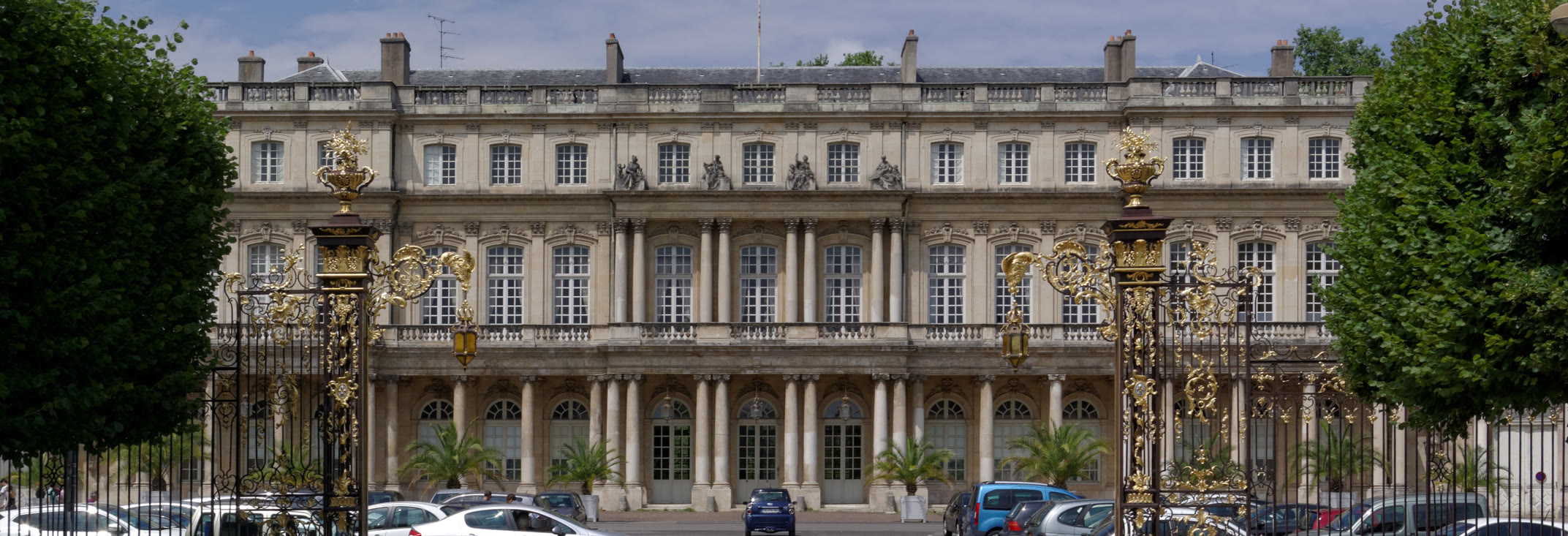
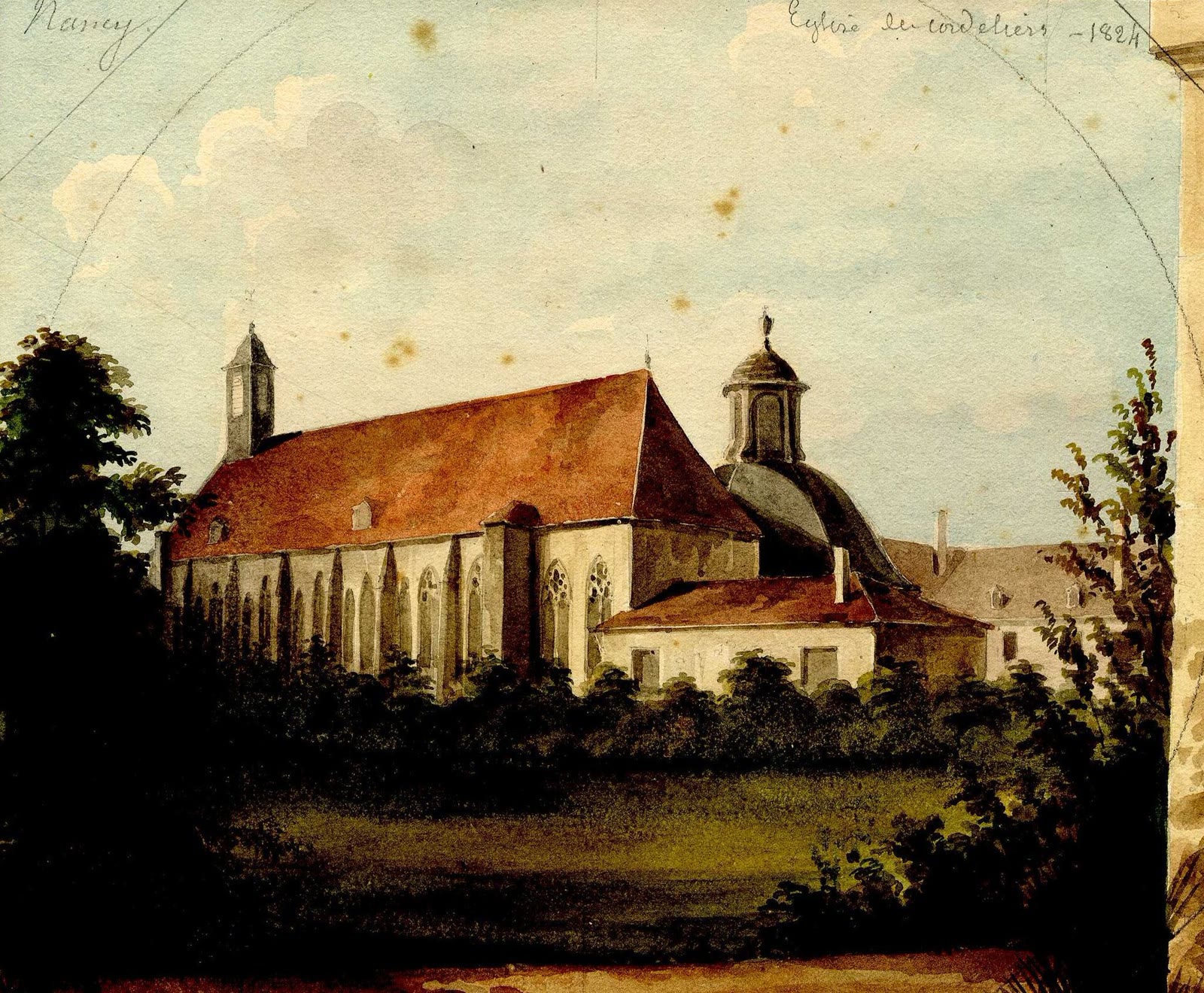
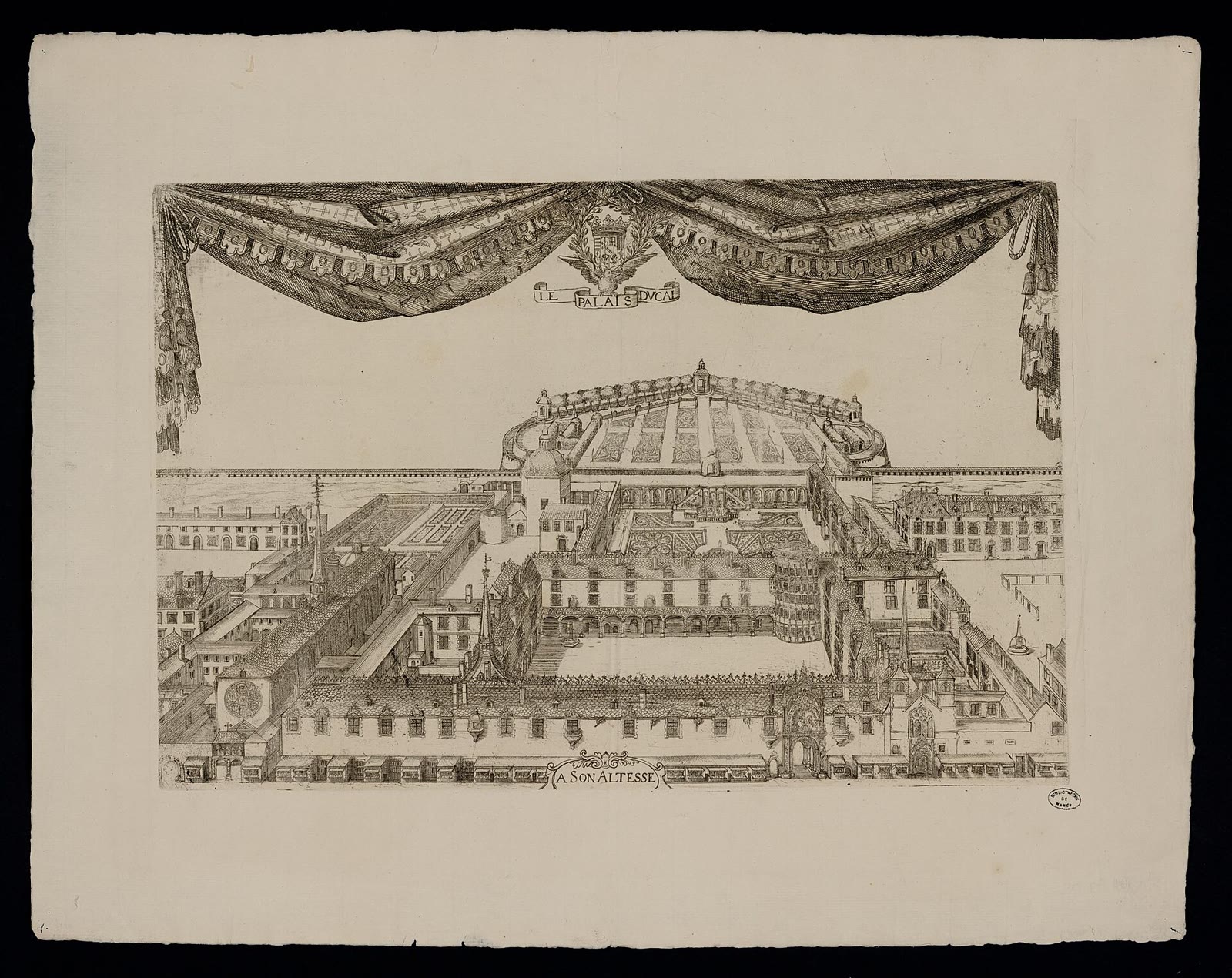
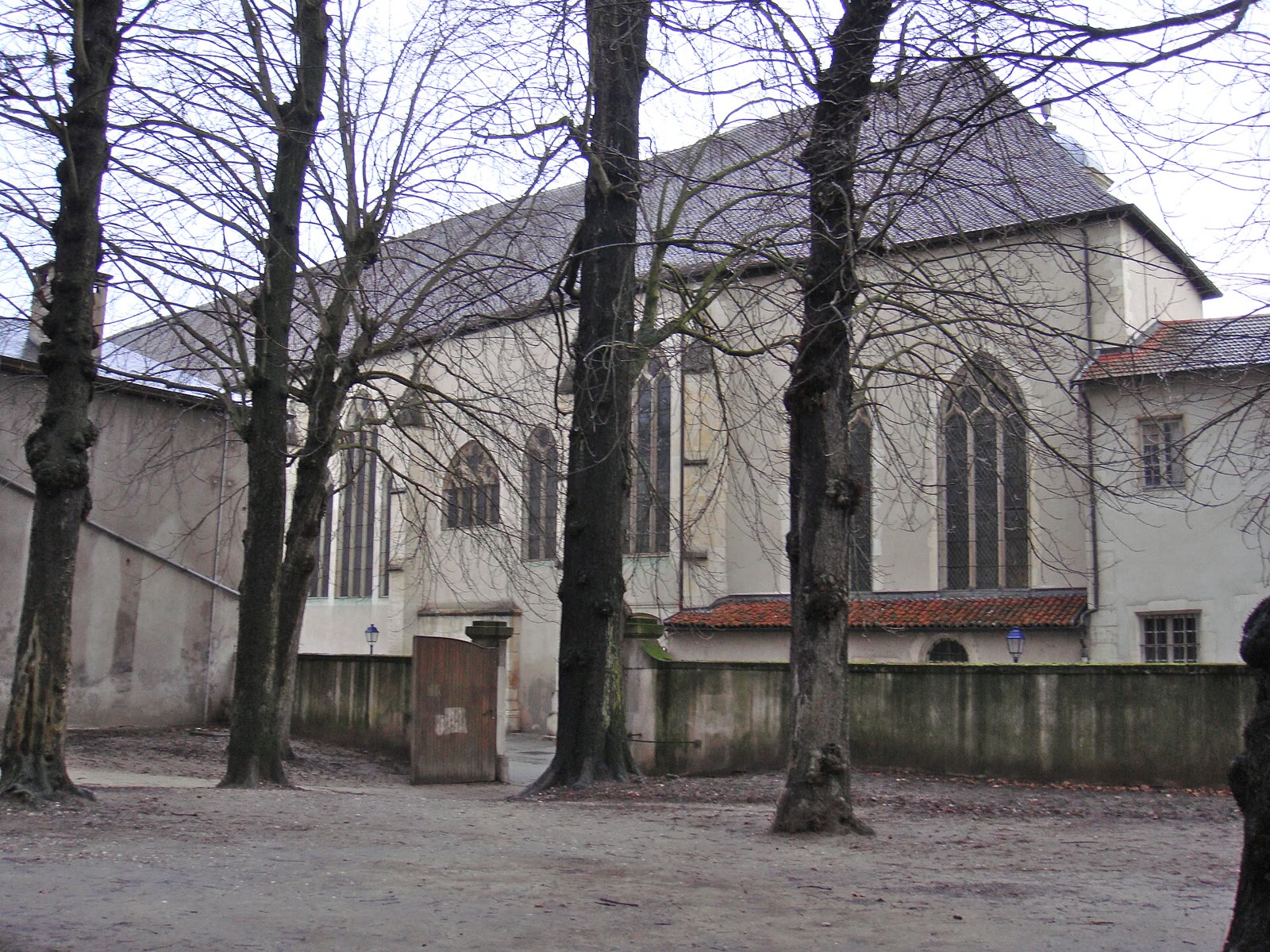
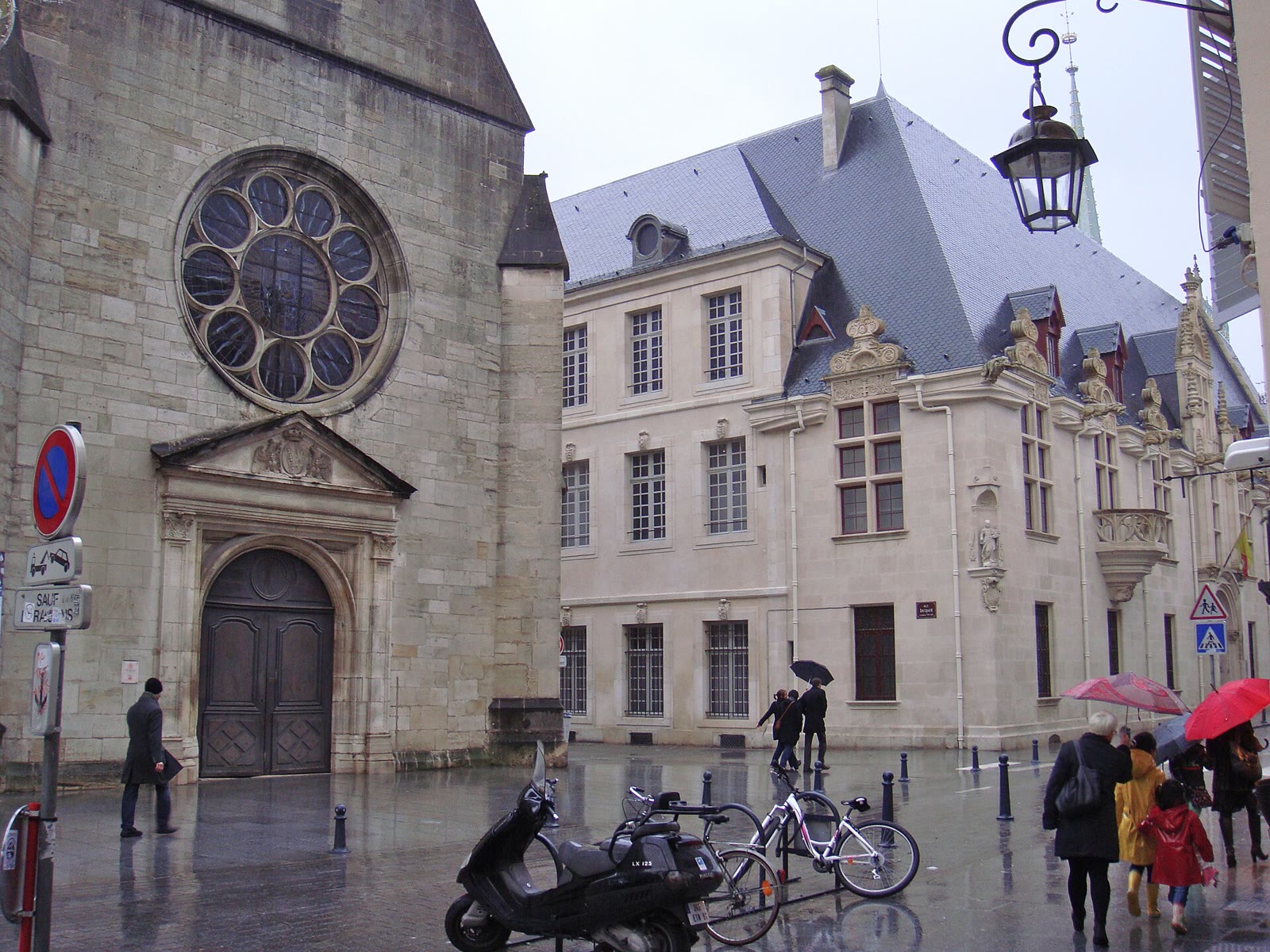
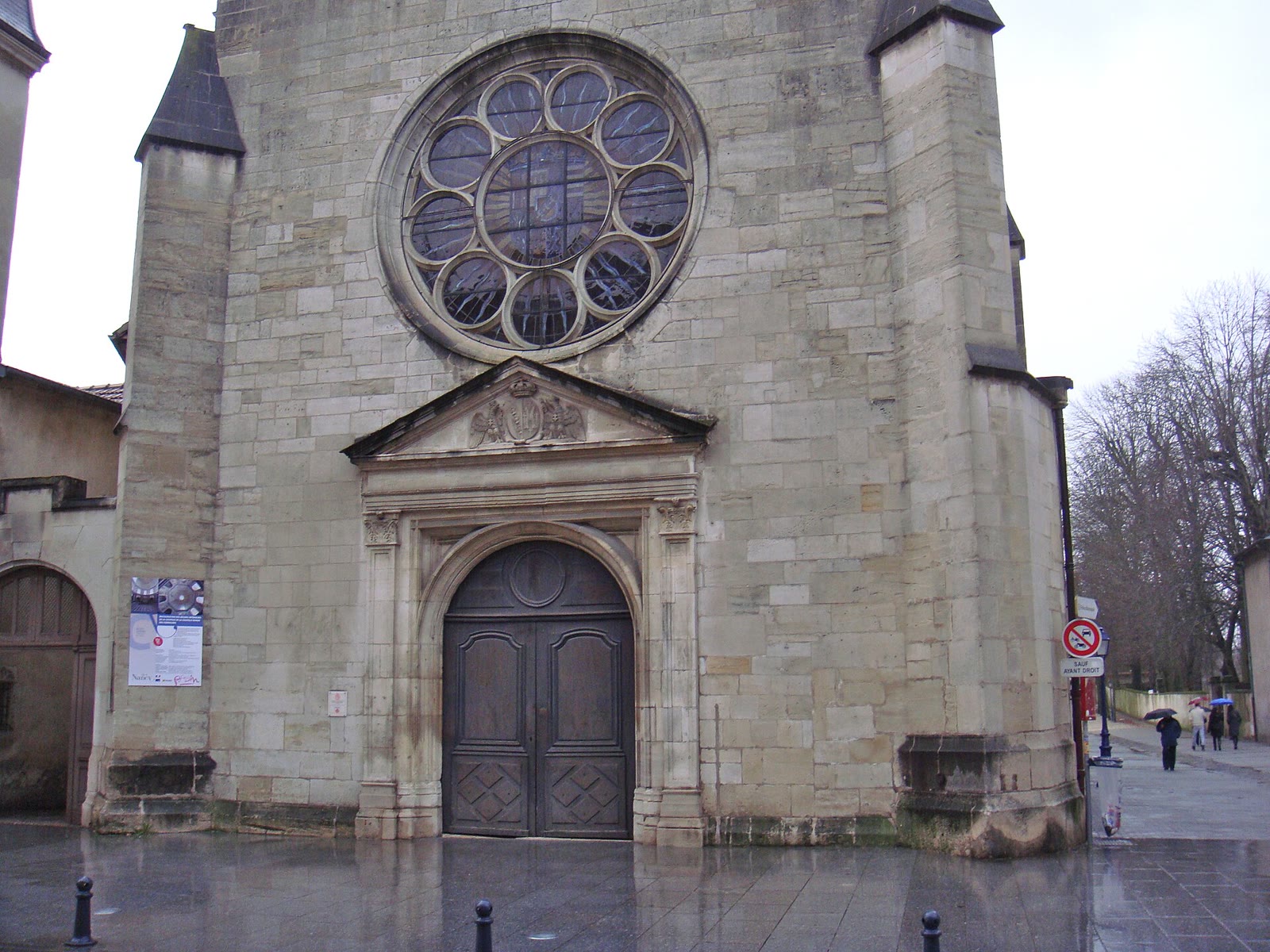
Adjoining the palace of the Dukes of Lorraine, the Cordeliers Church is one of Nancy's most moving places. Founded by Duke René II in the late 15th century, it houses the dukes' necropolis, its recumbent statues and a domed round chapel inspired by the Medici.
A foundation by René II after the Battle of Nancy
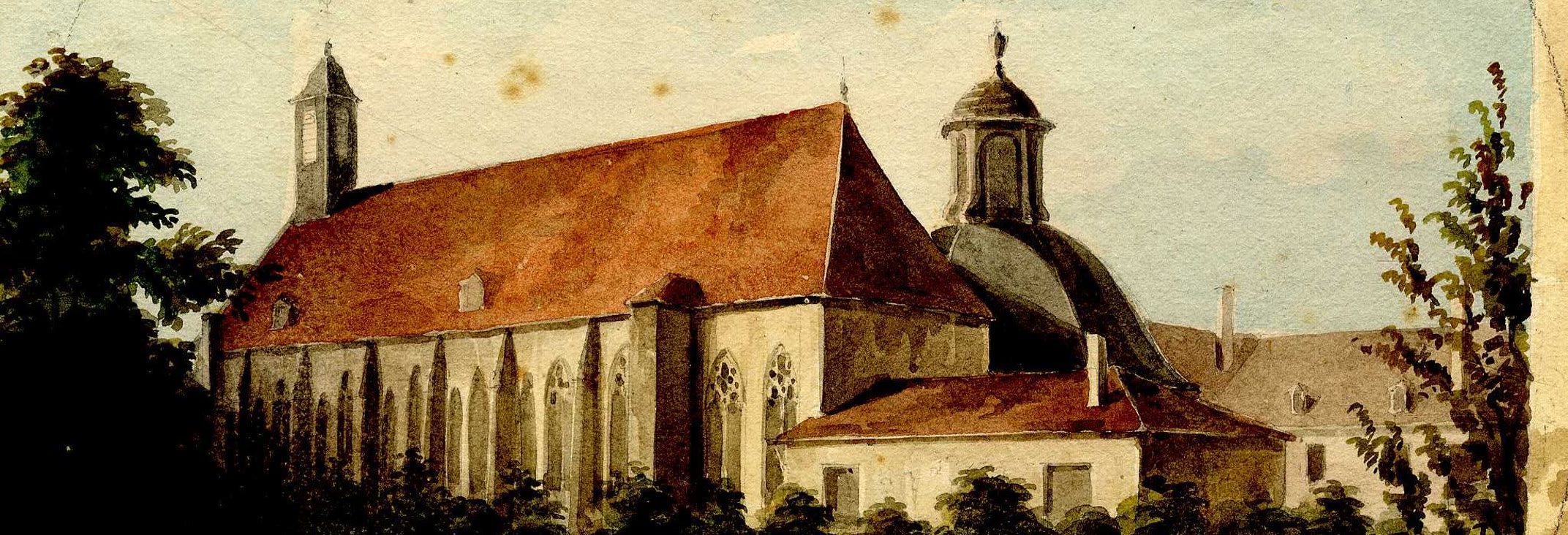
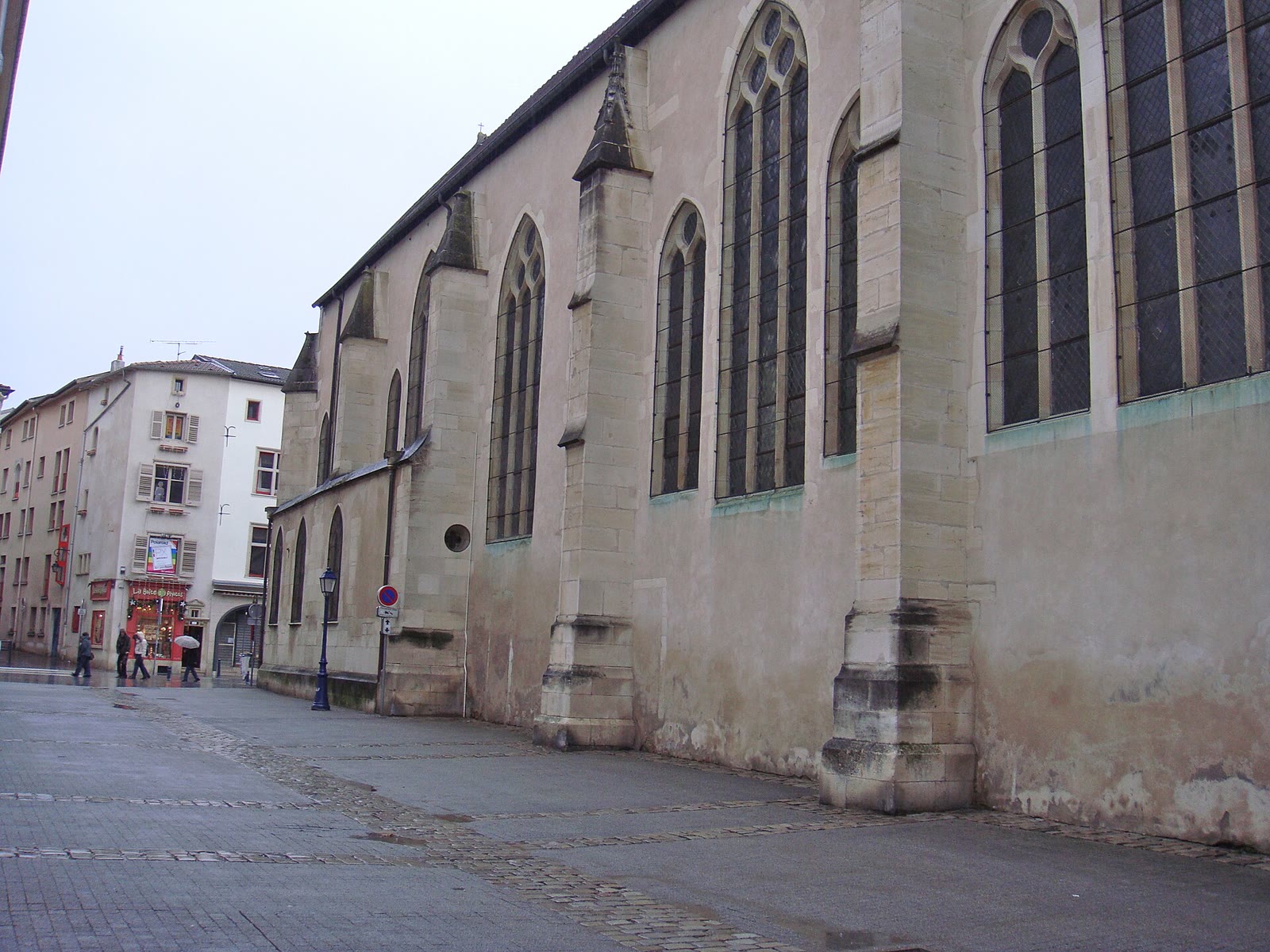
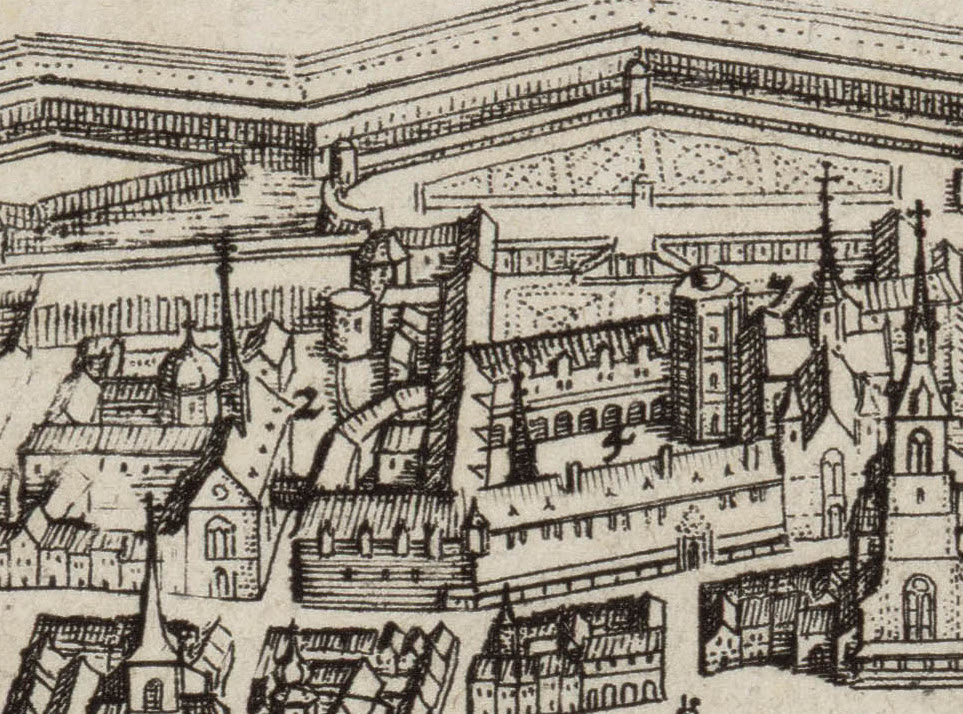
The church of Saint-François-des-Cordeliers was born of a vow: after his 1477 victory over Charles the Bold at the Battle of Nancy, Duke René II had a Franciscan convent, the Cordeliers, built beside his residence, the ducal palace. The church, in late Gothic style, was consecrated in 1487. It is one of the city's oldest churches. From the early 17th century it became the official burial place of the House of Lorraine, taking on a leading commemorative role. Plain on the outside, it conceals a funerary heritage of exceptional richness.
The recumbent statues and Ligier Richier's masterpiece
The nave holds several recumbent statues that rank among the jewels of Lorraine sculpture. The most admired is that of Philippe de Gueldre, wife of René II: carved by the great Ligier Richier, it works the Meuse limestone with such finesse that the stone seems to take on the look of marble. You can also discover the funerary niche (enfeu) of René II, finely ornamented. These monuments, gathered over the centuries, offer a striking overview of Renaissance funerary art in Nancy, where piety mingles with the will to affirm the prestige of the Lorraine dynasty.
The round chapel, pantheon of the dukes
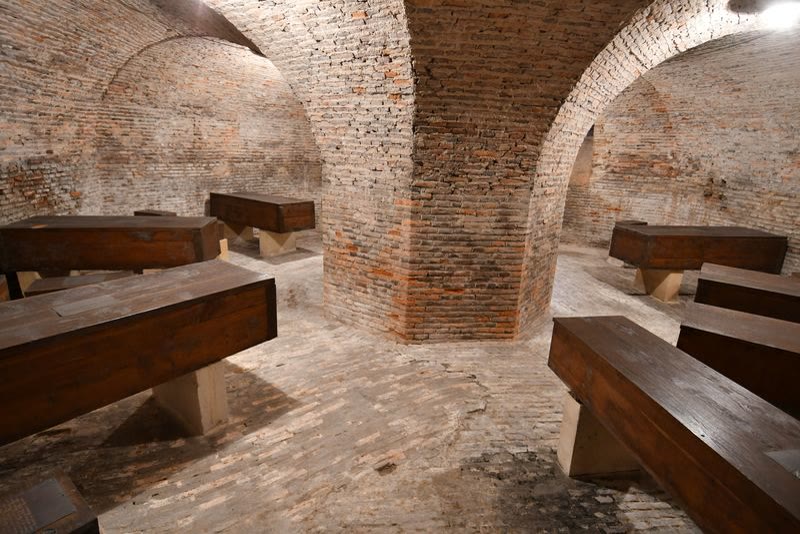
Adjoining the church, the round chapel, or ducal chapel, is a jewel of the early 17th century. Commissioned by Duke Charles III, it was built under his son Henri II between 1609 and 1612, probably to designs by the Italian architect Jean-Baptiste Stabili, in the spirit of the Medici Chapel in Florence. Centrally planned, it is crowned by a polygonal dome adorned with 386 coffers carved with angels, stars and the monograms of dukes Charles III, Henri II, François II and Charles IV, the work of sculptor Siméon Drouin. Beneath its floor, a vault holds the remains of the ducal family: this is the true pantheon of Lorraine.
Visiting the Cordeliers, an annex of the Lorraine Museum
The church and its convent are now part of the palace of the Dukes of Lorraine – Lorraine Museum. Still used for worship, the church can be visited and displays major works of regional heritage: early 16th-century Flemish reliefs, restored sculptures and even a 1611 scale model of Nancy brought to life by digital projections. While the museum undergoes major renovation, the Cordeliers Church remains open to the public. Open every day except Monday, it offers an intimate plunge into a thousand years of Lorraine history, a stone's throw from the Grande Rue and the ducal palace.
Infos pratiques
Adresse : 64 Grande Rue, 54000 Nancy
Questions fréquentes
Who is buried in the Cordeliers Church?
Many Dukes of Lorraine and members of their family, including René II. The round chapel and its vault form their official necropolis.
What is the round chapel?
A centrally planned ducal chapel, built from 1609 to 1612, topped by a dome adorned with 386 carved coffers. It was inspired by the Medici Chapel in Florence.
Can you visit the church during the Lorraine Museum works?
Yes. While the museum is under renovation, the Cordeliers Church remains open to the public, generally every day except Monday.
Who carved the recumbent statue of Philippe de Gueldre?
The Lorraine sculptor Ligier Richier, who worked the Meuse limestone with a finesse that gives the stone the appearance of marble.
Wikimedia Commons — Unknown author Unknown author · Wikimedia Commons — Claude Deruet · Wikimedia Commons — Patrick Nouhailler's… · Wikimedia Commons