The Héré Arch, royal gateway to Place Stanislas
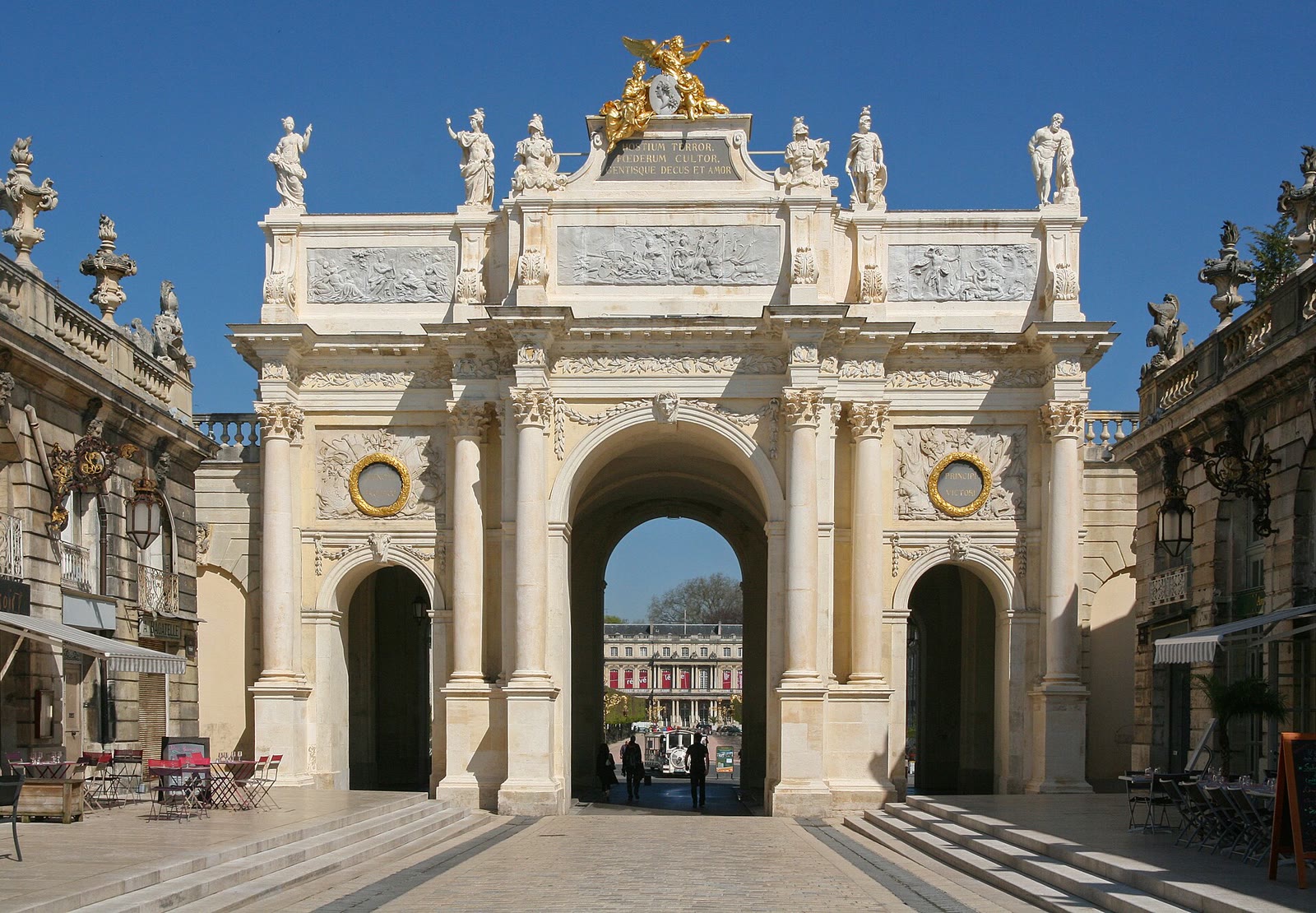
A monumental link between Place Stanislas and Place de la Carrière, the Arc Héré unfurls its stone silhouette to the glory of Louis XV. Designed by Emmanuel Héré between 1753 and 1755, this genuine triumphal arch inspired by Roman antiquity belongs to the UNESCO World Heritage ensemble.
From fortified gate to triumphal arch
The arch rises where an old gate in the ramparts once separated the old town from the new city. When Stanislas decided to unite the two districts, he charged Emmanuel Héré with turning this military passage into a monument glorifying his son-in-law Louis XV. Built between 1753 and 1755, the structure kept a defensive role — closing the square to the north — while becoming a ceremonial work. From this dual nature comes an original design: a triumphal display on the Place Stanislas side, and a plainer look towards the old town.
An ancient model reinvented
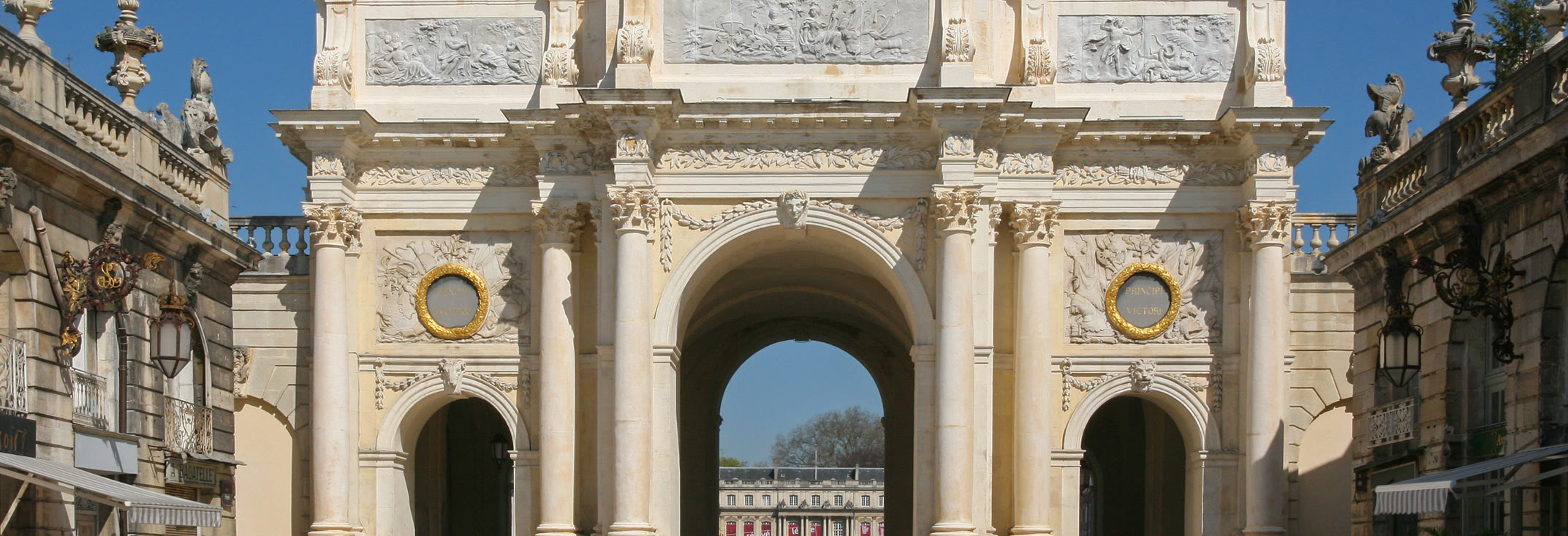
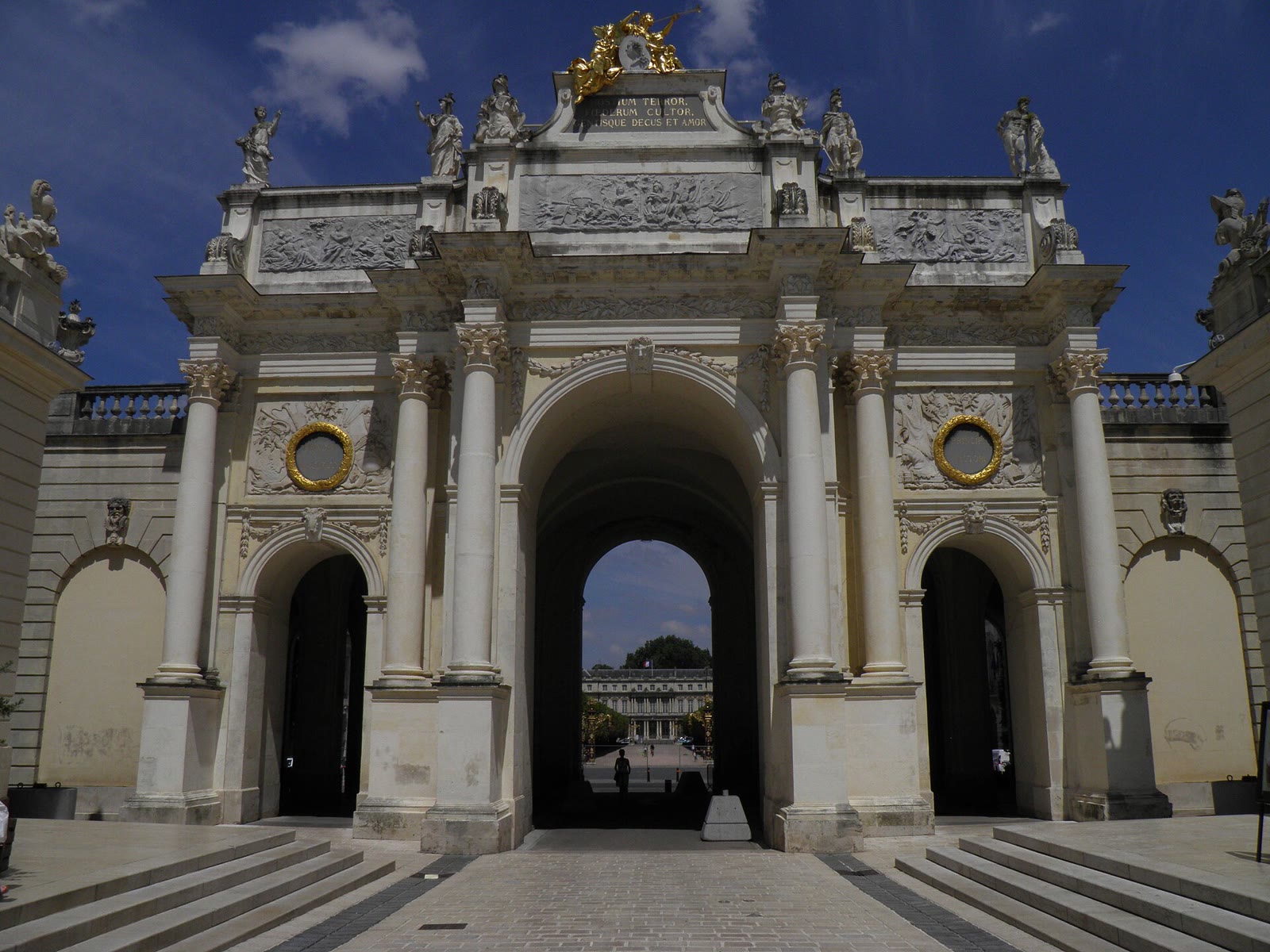
To design the arch, Héré drew on Roman triumphal arches, especially that of Septimius Severus. He borrowed its three-bay scheme — a large central arch framed by two side passages flanked with columns — but lightened it with elegance. About fifteen metres high, the arch presents a refined composition in which the golden stone catches the light beautifully. Its skilful proportions and the play of detached columns give the whole a serene majesty, perfectly attuned to the royal square it heralds.
War and peace carved in stone
The carved decoration, largely by Barthélémy Guibal, sets out a clear symbolic programme: the left side is dedicated to Peace, the right to War. Two medallions bear the Latin inscriptions "Principi Pacifico" and "Principi Victori" — "to the peace-making prince" and "to the victorious prince" — celebrating Louis XV in his two guises as sovereign. Trophies, arms and allegories echo the French victories of the mid-18th century. Take time to look up: each bas-relief tells a chapter of the royal glory staged by Stanislas.
The best viewpoint over the ensemble
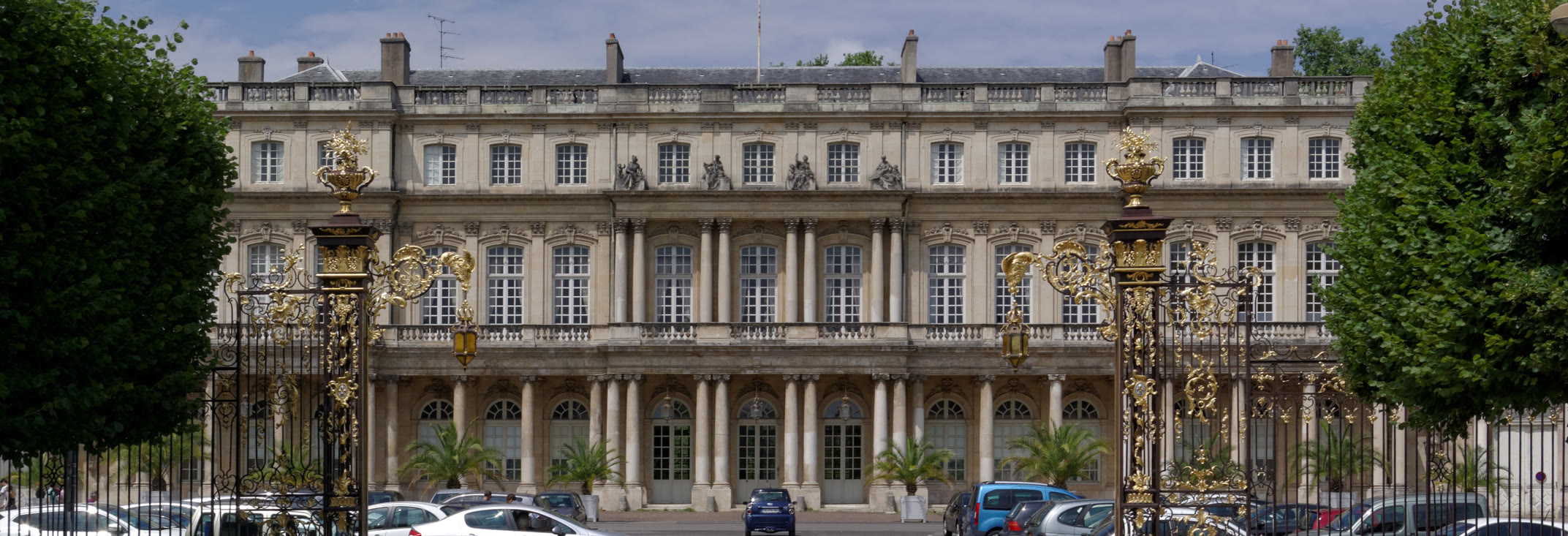
Passing beneath the Arc Héré is one of the great pleasures of a visit to Nancy. Crossing it from Place Stanislas, you take in at a single glance the long vista of Place de la Carrière stretching to the Palais du Gouvernement; turning around, you rediscover the royal square and its gilded gates. It is the ideal spot to grasp the unity of Emmanuel Héré's design and to take fine photographs. The arch can be admired freely, day or night, when its lighting enhances the golden stone.


.jpg?width=1600)
Infos pratiques
Adresse : Rue Héré, 54000 Nancy
Questions fréquentes
Where is the Arc Héré?
It stands on Rue Héré in Nancy (54000), exactly between Place Stanislas to the south and Place de la Carrière to the north. You can walk beneath it freely.
Who built the arch and when?
It was built by architect Emmanuel Héré between 1753 and 1755, at the request of Stanislas Leszczyński, in honour of King Louis XV. It now bears its architect's name.
Can the Arc Héré be visited?
The arch is admired freely from outside and walked through on foot; there is no interior visit. It can be enjoyed at any hour, and looks especially fine in the evening under its lighting.
What do the Latin inscriptions mean?
"Principi Pacifico" means "to the peace-making prince" and "Principi Victori" "to the victorious prince". They celebrate Louis XV as a sovereign who is both a peacemaker and a victor.
What is right next to it?
The arch directly links Place Stanislas and Place de la Carrière, the latter extended by the Palais du Gouvernement. Place d'Alliance and the old town are a few minutes' walk away.
Wikimedia Commons — Clément Bardot · Wikimedia Commons — Gzen92 · Wikimedia Commons — Krzysztof Golik