The Ville-Vieille–Léopold quarter, medieval Nancy
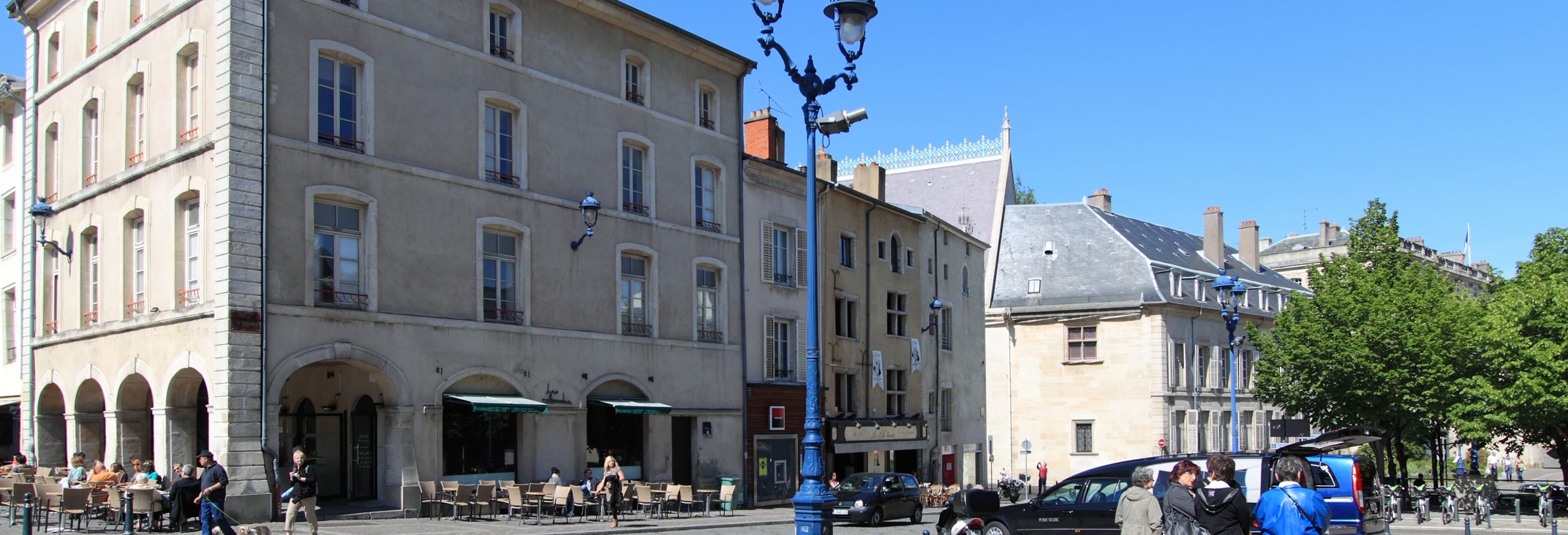
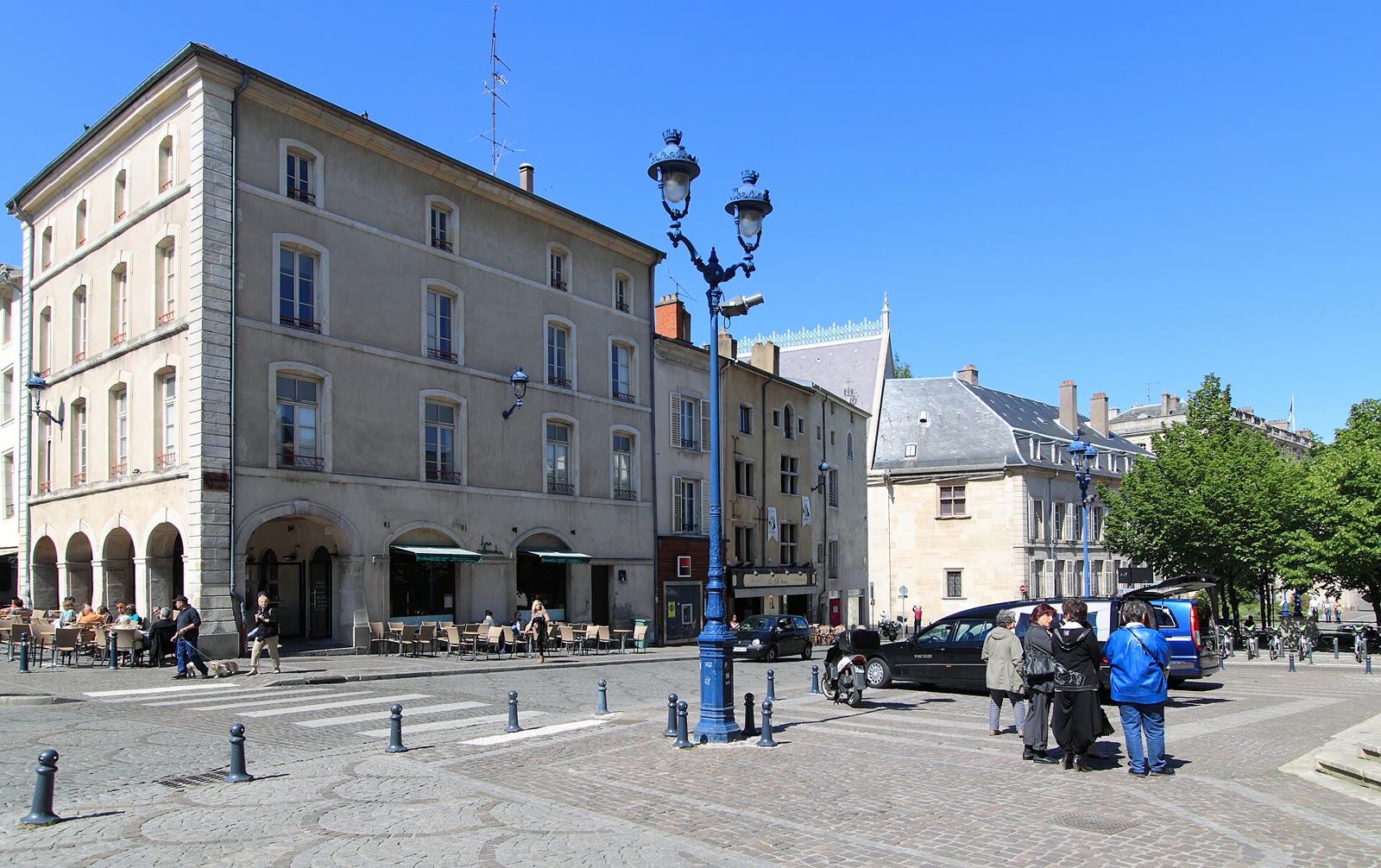
The cradle of Nancy, the Ville-Vieille – Léopold quarter keeps alive the memory of the dukes of Lorraine. Around the Grande Rue unfold palaces, churches and fortified gates, in a maze of cobbled lanes now lively with shops, terraces and bars.
The cradle of the ducal city
This is where Nancy was born, in the 11th century, around a castle raised by Duke Gérard d'Alsace. Little by little the town took shape and became the political centre of the Duchy of Lorraine. During the Renaissance, under Duke Charles III, the quarter enjoyed a golden age: the ducal palace was enlarged, the Grande Rue asserted itself as a major artery, and the nobility's mansions multiplied. Even today, walking these streets means tracing several centuries of history, among weathered façades, hidden courtyards and old signs that tell the story of the Lorraine capital.
The Grande Rue and the ducal palace
The backbone of the quarter, the Grande Rue links the Place Saint-Epvre to the New Town. Along it stands the palace of the dukes of Lorraine, a jewel of Flamboyant Gothic architecture, recognisable by its richly carved gateway. The palace houses the Musée Lorrain, rich in collections tied to the duchy's history — a site under renovation that is worth checking before visiting. All around, mansions, craftsmen's shops and small squares form an intimate setting. This is the historic heart of Nancy, best discovered on foot, eyes raised to the stone details and steep roofs.
Gates, churches and squares
The quarter concentrates several major monuments. To the north, the Porte de la Craffe, the oldest of Nancy's medieval fortifications, raises its round towers; it long served as a prison. Close by, the church of the Cordeliers holds the necropolis of the dukes of Lorraine and its remarkable round chapel. To the south, the neo-Gothic Saint-Epvre basilica, crowned by a tall spire, dominates a square lined with terraces. Add to these squares full of character such as the Place Saint-Epvre or the Place de l'Arsenal. Each tells a chapter of ducal history and invites you to wander with no set route.
An atmosphere to enjoy at night
Far from frozen in the past, the Old Town beats to the rhythm of Nancy life. By day you find shops, workshops, bookstores and small businesses; by night the lanes come alive with restaurants and bars where students and locals gather. Its closeness to the Parc de la Pépinière and the Place Stanislas makes it an ideal starting point to explore the centre on foot. It is also the quarter of markets, festivals and events that punctuate the year. Between heritage and conviviality, the Old Town offers the lively, warm face of old Nancy.
Infos pratiques
Adresse : Grande Rue, 54000 Nancy
Questions fréquentes
Which monuments to see in the Old Town?
The Craffe gate, the church of the Cordeliers and its ducal necropolis, the palace of the dukes of Lorraine (Musée Lorrain) and the Saint-Epvre basilica, all linked by the Grande Rue.
Can the Old Town be explored on foot?
Yes, that is the best way to enjoy it. The quarter is compact, with cobbled lanes, and is best explored by strolling, between monument visits and a break on a terrace.
Can the palace of the dukes of Lorraine be visited?
The palace houses the Musée Lorrain, engaged in a major renovation. Some parts may be closed: it is advisable to check the opening status before visiting.
Where is the quarter in relation to the Place Stanislas?
Just to the north. From the Place Stanislas, you reach the Old Town in a few minutes on foot, passing the Place de la Carrière and the Héré arch: the two quarters complement each other perfectly.
Wikimedia Commons — Caroline Léna Becker · Wikimedia Commons — Nicolas Torquet